

















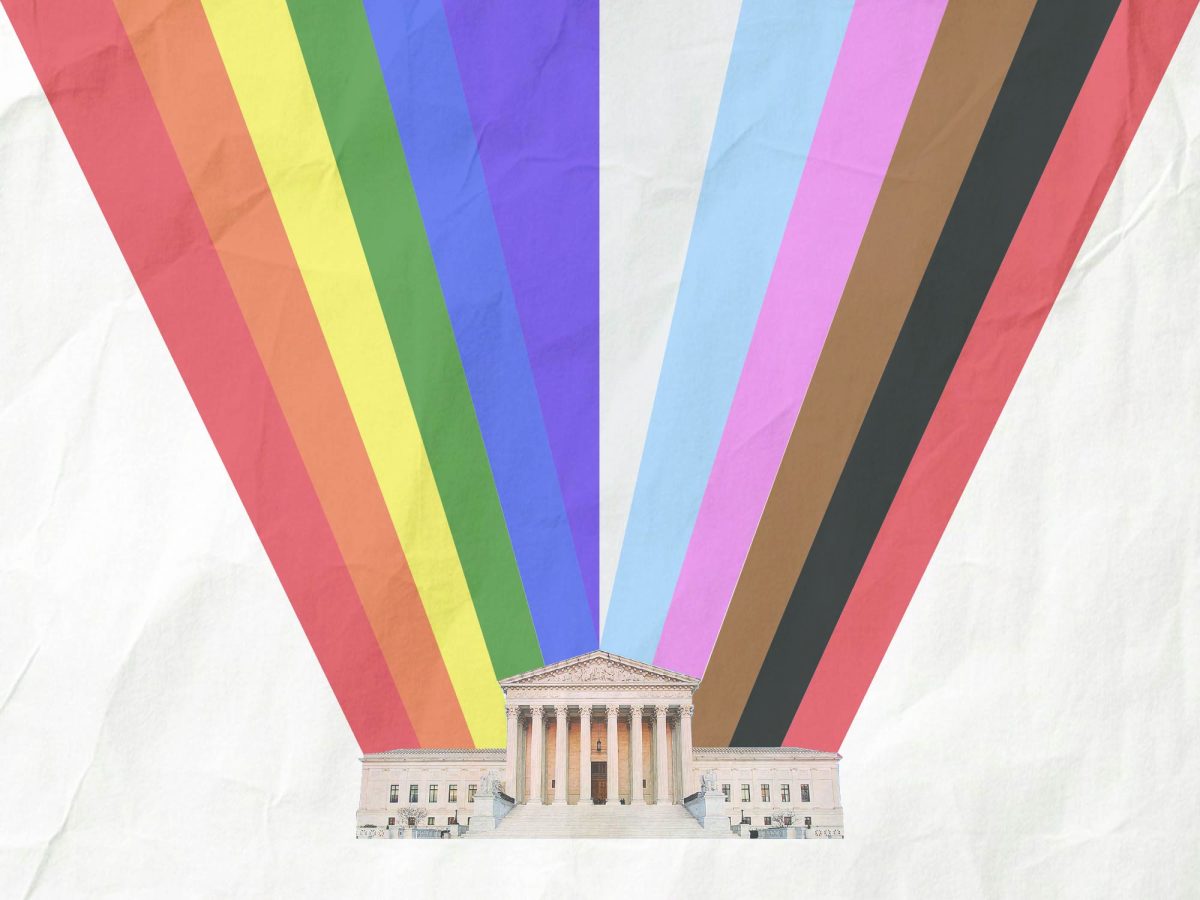






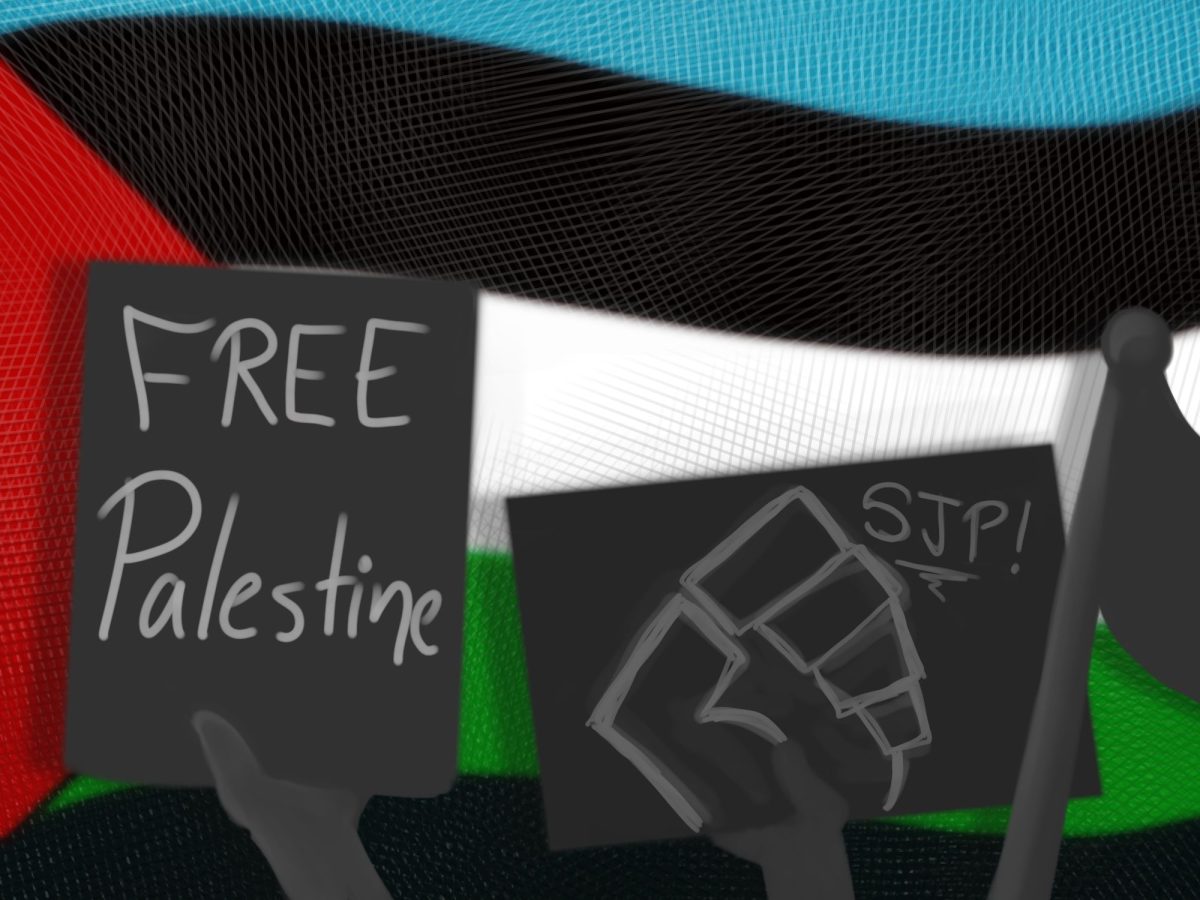









A federal judge in Boston last week issued an order protecting the visas of noncitizen university students and faculty who voiced pro-Palestinian opinions and who earlier won a landmark free speech lawsuit against the Trump administration.

The order, issued by U.S. District Judge William Young on Jan. 22, came four months after his initial ruling, in which he found the Trump administration had violated the First Amendment by targeting students’ political expression and speech.
“[Federal] threats to continue detaining, deporting, and revoking visas based on political speech serves as circumstantial evidence that such enforcement exists, is viewpoint discriminatory, and has objectively chilled The Plaintiffs’ speech,” wrote Young in the decision.
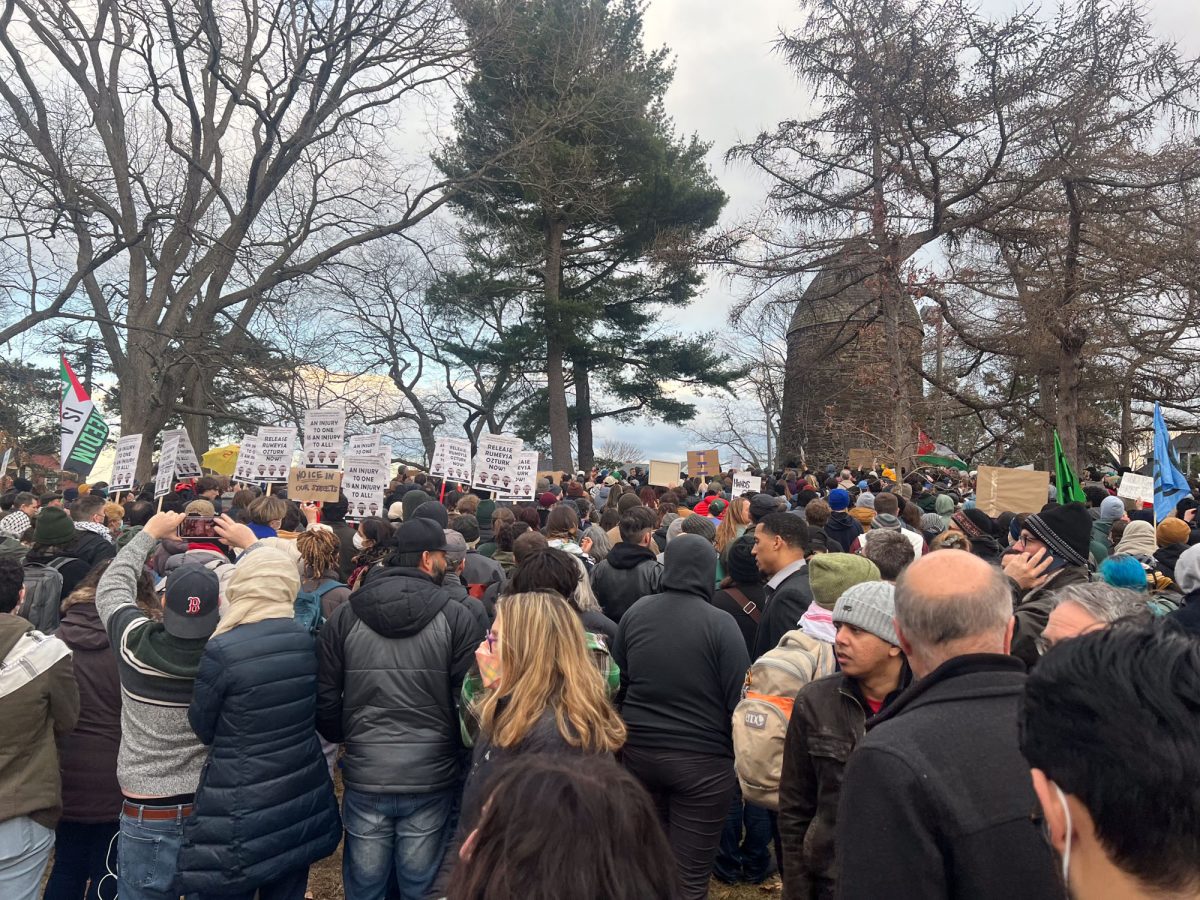
Unsealed court documents indicate that several international students who were detained by immigration law enforcement were recommended for deportation based on their involvement in pro-Palestine campus activism. Tufts University doctoral student Rümeysa Öztürk, who was arrested last March, was mentioned in these documents.
The Trump administration said the students’ actions were antisemitic, but Young ruled them as protected free speech.
The plaintiffs include the Middle East Studies Association, the American Association of University Professors and four of the AAUP’s campus chapters. In a statement to the Daily Free Press, the Knight First Amendment Institute at Columbia University, which represented the plaintiffs, wrote Young’s protection extends to all noncitizen students in the U.S.
A Reagan-appointed judge, Young wrote that any attempts by the Trump administration to change a noncitizen plaintiff’s immigration status will be void unless the government provides clear reasoning or evidence for doing so.
Michel DeGraff, a faculty member at the Massachusetts Institute of Technology who also serves on the board of a free speech advocacy group, said he hoped Young’s ruling leads students and faculty to feel “empowered” to speak freely.
“I do believe in the power of the courts to roll back tyranny, and I also believe that we should not be fearful,” DeGraff said. “Fear is the best companion of the tyrants, and we have to go against that.”
DeGraff said he was “not at all surprised” by the unsealed documents’ conflation of anti-Zionism with antisemitism — a comparison he says he doesn’t believe in — and that he sees “similar patterns of distortions” among other universities in the U.S., like Harvard, M.I.T. and Columbia.
“I have so many colleagues across the U.S. who are suffering, who are being fired, who are being suspended, being censored for the same reason that we see in these documents from DHS,” said DeGraff. “Because they are protesting a genocide, they are being branded antisemites, or worse, as terrorists.”
Jonathan Feingold, a law professor at Boston University, said the unsealed documents demonstrate how the Trump administration “continues to marshal cynical accusations of antisemitism in order to delegitimize” and target political opponents.
“Rümeysa wrote a totally reasonable opinion editorial that criticized [Tufts University] and called on her university to divest from the state of Israel, which is a wholly legitimate opinion to have,” Feingold said. “The Trump administration recast that opinion as one that was inherently antisemitic.”
Feingold said if the federal government can “target an individual because of an article that they write, then you do not have academic freedom,” and free speech is also limited.
“The federal government [is] saying quite clearly that if you articulate an opinion that is one we dislike, we are going to target you,” he added.
The chair of Northeastern University’s Young Democratic Socialists of America chapter, who asked only to be identified by her first name for fear of being doxxed, said while the reasoning behind Rümeysa Öztürk and other students’ deportations was “nothing unexpected,” the Trump administration’s actions are “utterly unjustifiable” and impacting noncitizen students’ willingness to participate in political activism.
“A lot of international students are getting scared,” the person, Lokesh, said.
According to Lokesh, NEU international students are “less receptive to union organizing because they feel like if they do participate in union organizing, they will be deported.”
Lokesh said Young’s ruling demonstrated that “local officials are willing to fight against the Trump administration.”
“However, I think it’s very important to remember that it may not be enough,” Lokesh added. “There’s only so many things that people within the system can do to prevent Trump from acting the way he is.”
Lokesh said people should focus on community organizing, rather than depending solely on the “mechanisms that exist within the state” for pushing back against Trump.
“The Democrats have failed us time and time again,” Lokesh said. “It’s time that we stop waiting for them to save us. It’s time that we save ourselves.”