























































































Take out your phone and have a scroll on TikTok — you don’t need me to tell you this, you’ve probably already done it at least a couple times today.
Amid the sea of outfit checks and edits of your favorite show, you’re likely to see a video of a girl not much older than 10 years old, chirping “get ready with me for school” with a mountain of colorful skincare products.
These girls have become somewhat of a meme on social media, and while these videos, from a glance, seem like a silly, lighthearted trend, they reveal a shocking contrast between the children of this generation and generations past.

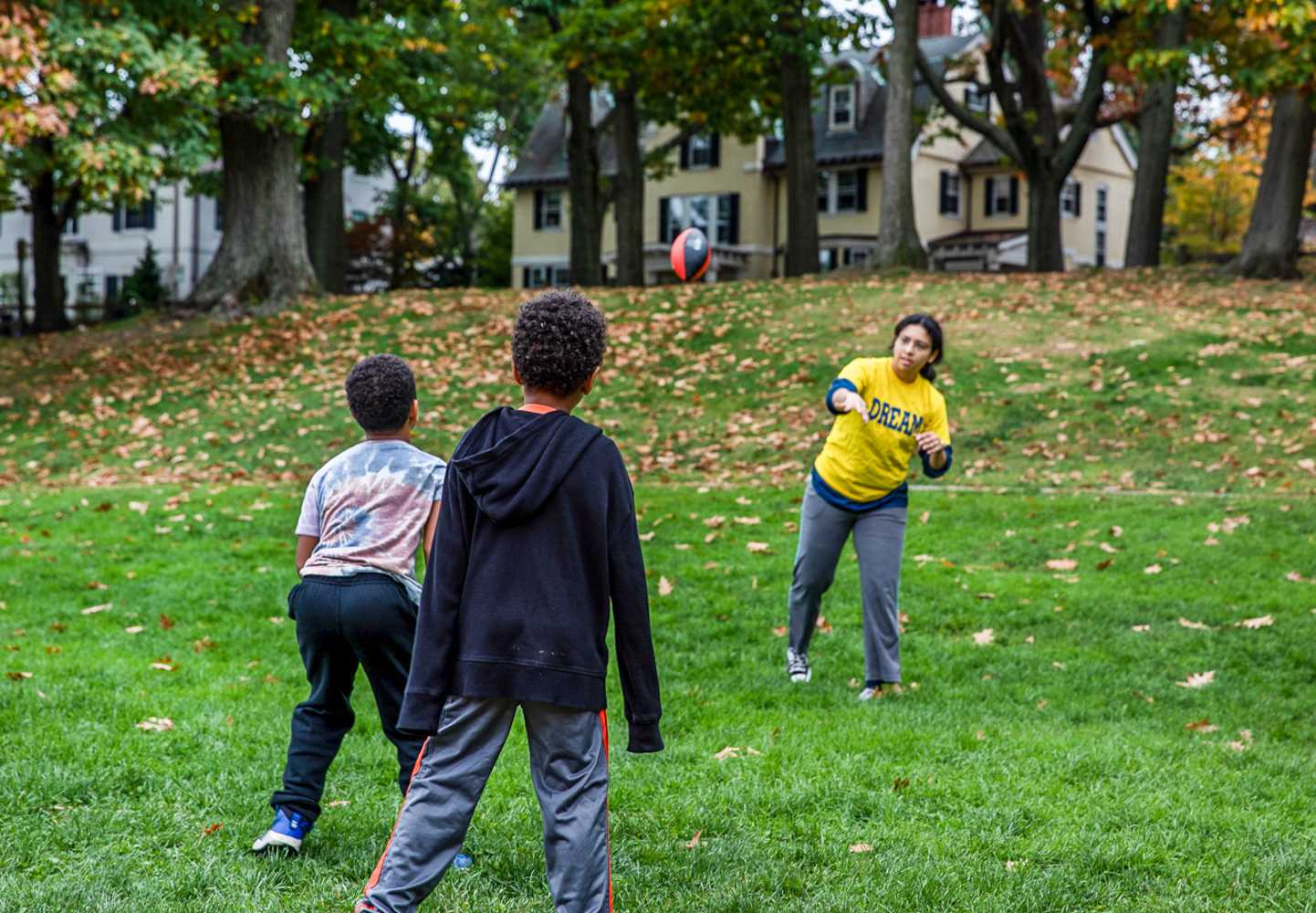
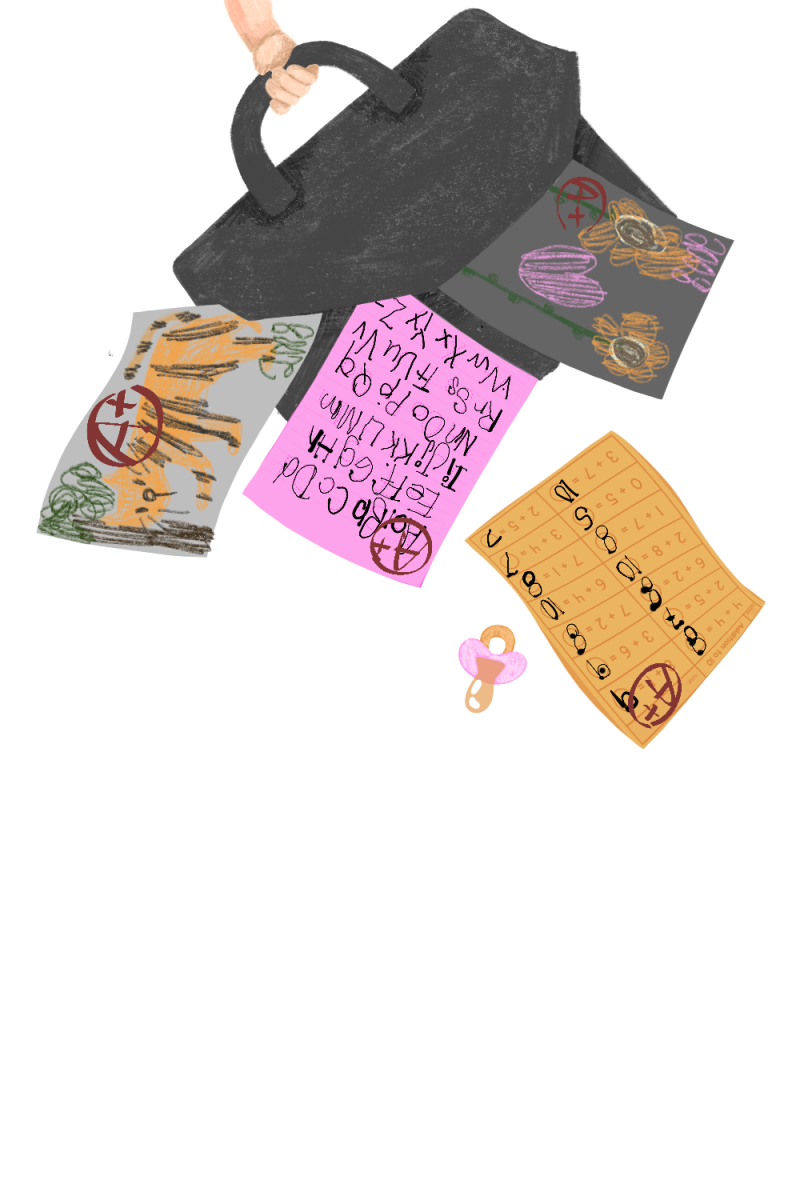
Having been born in 2007, I had all the classic childhood experiences: playing hopscotch and freeze tag at the school playground, or playing with Barbie dolls on my trampoline. I played Wii Sports in my basement for hours with my older sister, stuck my hands in 3D pinboards and insisted on rolling around everywhere on my Heelys thinking I was the coolest kid on the block.
These carefree experiences, though short-lived, shaped the way I view my childhood and what I think childhood should be about: experimenting, wondering and playing — concepts I’m not sure children growing up now will understand to the same degree.
Nowadays, the average age a child is given a smartphone is 10 to 12, the beginning of a critical stage of biological development. Kids spend so much time with their eyes glued to their screens they don’t get to experience the authentic joy that comes with growing up, resulting in more anxiety and mental health conditions than any other generation.
Gen Z is facing a major mental health crisis. According to a multi-year study released in 2023, 65% of Gen Z respondents reported experiencing at least one mental health problem in the past two years, compared to 51% of millennials, 29% of Gen X and 14% of baby boomers.
With increased phone usage comes increased social media usage, and with that comes the exposure to a plethora of different products on social media that you need to “run, don’t walk” to Sephora to buy.
“BeautyTok” has been taking the internet by storm, attracting herds of tweens to Sephora, plagued by societal beauty standards and fed endless ideas about how to have clear skin 24/7 and how to erase your pores and so on. This is exactly the type of media big corporations want to feed them, because kids come running to the stores like moths to a flame, sending more and more profit their way.
TikTok has driven a 22% increase in beauty product sales on social media platforms, according to a report from Euromonitor International. Influencers promote anti-aging products, serums, lotions, makeup and even different types of plastic surgery to “improve yourself.” This focus on self appearance reinforces the idea that women must always look perfect to achieve a certain standard. The sooner young girls are introduced to this stereotype, the sooner they will begin to lose themselves to a spiral of self-loathing.
Children want to look like tweens, tweens long to look like teenagers, teenagers want to look like grown women and grown women long to have clear, wrinkle-free skin like they did as children — a vicious cycle of trying to reach an unobtainable ideal.
According to a survey of 1,000 parents of tween girls by aytm and Revlon, 64% responded that skincare and makeup has given their daughters “something to be passionate about.” However, a large part of the issue with the youth’s premature interest in these products is the fact that the trend intentionally encourages them to find problems in their appearance. If even adults today are affected by these beauty standards — so much so that people will pay thousands of dollars for plastic surgery and cosmetic procedures — imagine how much it affects young people who haven’t had the chance to build true self confidence yet.
As Jia Tolentino put it best: “Beauty, or our idea of it, is always rooted in deep desires, capitulations, and pathologies. It makes certain things so obvious. How we spend the present trying to secure the future, and thus squander what’s in front of us. How we fail to appreciate what we may later understand as an experience of unbelievable plenty: unlined skin, spare time on Saturdays, an Earth with a climate that can grow coffee beans.”
Social media, while it can be a platform for creative expression and entertaining content, often portrays unrealistic expectations, and there are real, long-lasting consequences to these expectations. The crucial first step to future generations living a happier, more carefree childhood is understanding how social media and conventional beauty standards can be devalued so that beauty is not defined by external expectations but rather from within.