
































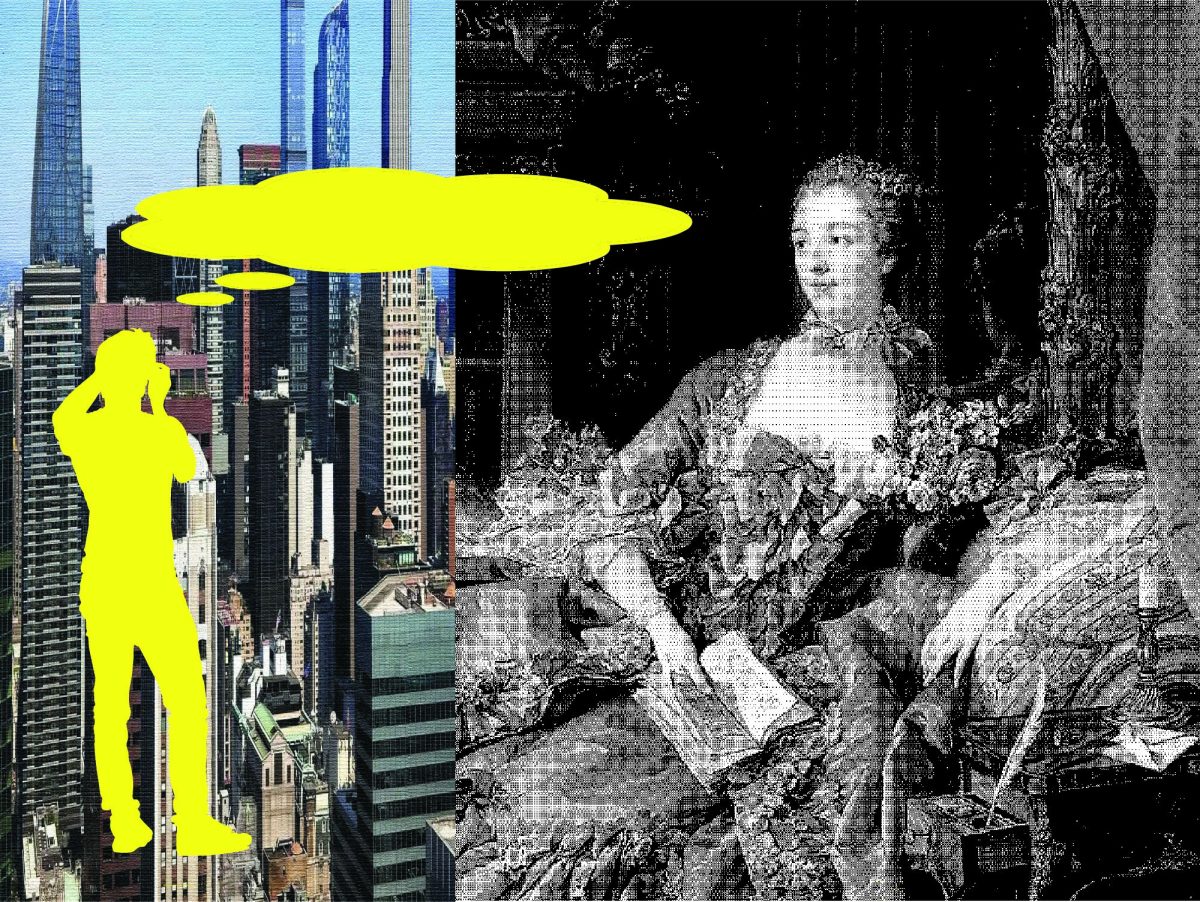















If it doesn’t exist online, it doesn’t exist at all. We must re-name, reclaim and aestheticize phenomena that have existed long before they were arbitrarily redefined by some TikToks promoted by an algorithm. Long gone are the days when an individual could hold multitudes.
Now, each hobby a person can acquire becomes a “core” or social definition, while fashion and beauty become even more hyper-delineated.
“Aesthetics” once evolved naturally through the authentic lifestyles people led. If you skated, baggy jeans probably constituted a large part of your wardrobe. If you worked in an office, maybe you wore a button down shirt and a pair of slacks. If you lived in a rural area, you likely gravitated towards denim.
Why then, do trends and micro-aesthetics now shape our lives instead of the other way around? And what drives our desire for hyper-categorization and definition?
Social media platforms like TikTok and Pinterest perpetuate the spread of these intensely curated, synthetic and oddly specific categories. If you search for a term like “Office Siren,” a plethora of inspirational photos will pop up in your feed.
Searching “Coastal Cowboy” offers images conveying a perfect blend between airy linen and cowboy boots. Wearing cowboy boots to the beach seems like a good enough choice. But where would an aesthetic like these even develop, you may be asking yourself? The answer is Pinterest.
Entire outfits can now be curated with ease. With quick image search and the added bonus of a link right to the pictured items, you can directly buy the item itself in seconds. In a few easy clicks, you have an entire new wardrobe, new aesthetic and a lifestyle that may or may not be compatible with your new look.
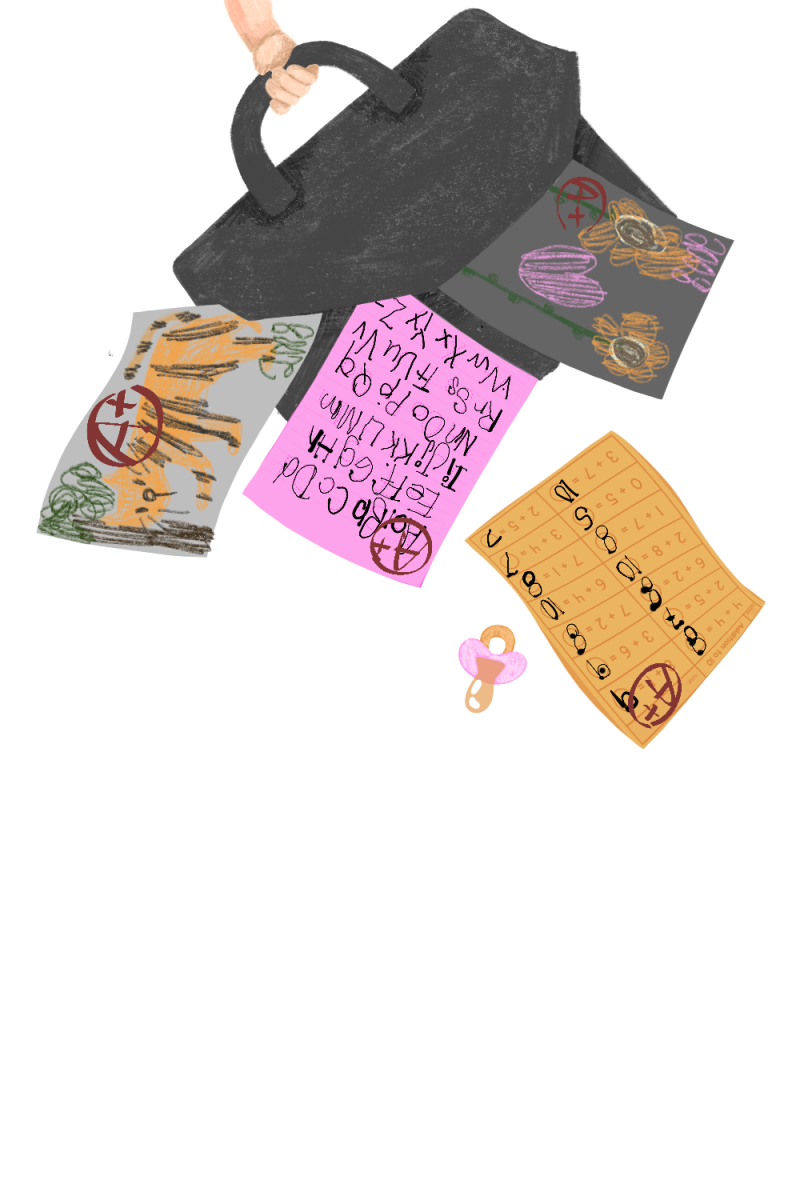
When I was a kid, my mother used to keep a few items in her bag: a notebook for grocery lists, a digital camera, some candies and treats and maybe just maybe, the new book in the “Twilight” series. Most of her peers had bags filled with similar items and phones that did not yet have dopamine-inducing features they have now.
Their bags were large and cumbersome and filled with only the items that would make their lives easier. They didn’t curate or think intently about what they brought along. They didn’t curate a color scheme or specific idea when acquiring these items and bringing them along. There was no audience to provide a definition to.
Currently, the concept of an “analog bag” is making the rounds on social media. A bag fit to combat the temptation of phone usage through the incorporation of journal, knitting materials, film cameras, sudoku books and more. The curation is then exhibited online using the very device it aims to eliminate: the phone.
For some reason, out of all these new quirkily named trends, it’s the analog bag that bothers me most. Maybe it’s an irrational and unfounded annoyance, but there is something so horribly ironic about defining and categorizing the normal, everyday experience of keeping items in a bag as something new and revolutionary. It’s yet another categorization based not on lifestyle or convenience, but rather an aesthetic to be performed.

Practicing mindful spending habits and remaining immune to the integrated ads promoted everyday is now defined as “underconsumption core.” Not buying seven lipsticks of the same color is not just seen as basic financial literacy — it is a specific performance once again, telling viewers they should follow suit.
Now, basic pantry foods are no longer kitchen staples, but rather, videos demonstrating how to build a “capsule kitchen.” The act of my grandmother unfurling the rollers out of her hair, would now be considered a step in a morning shed routine.
What pushes us to define ourselves so explicitly? Why do we feel the need to find certain niches and aim to perform them perfectly? Sad girl, thought daughter and tomato girl — I would be lying if I said I was immune to the trend of categorization and performance.
Sometimes I will search for specific aesthetics with the hopes of cultivating them. Sometimes I need to interrogate myself and the sincerity of my interests and the aesthetics I aspire to. I think to myself, “do I like this — or do I want people to see me like this?
It’s uncomfortable trying to dismantle and disentangle the reasons for personal categorization, separate from the ones created and promoted by algorithms and social media.
Maybe we all need to spend a little less time coming up with new aesthetic definitions and spend more time embracing the aesthetics organic to ourselves.