











































































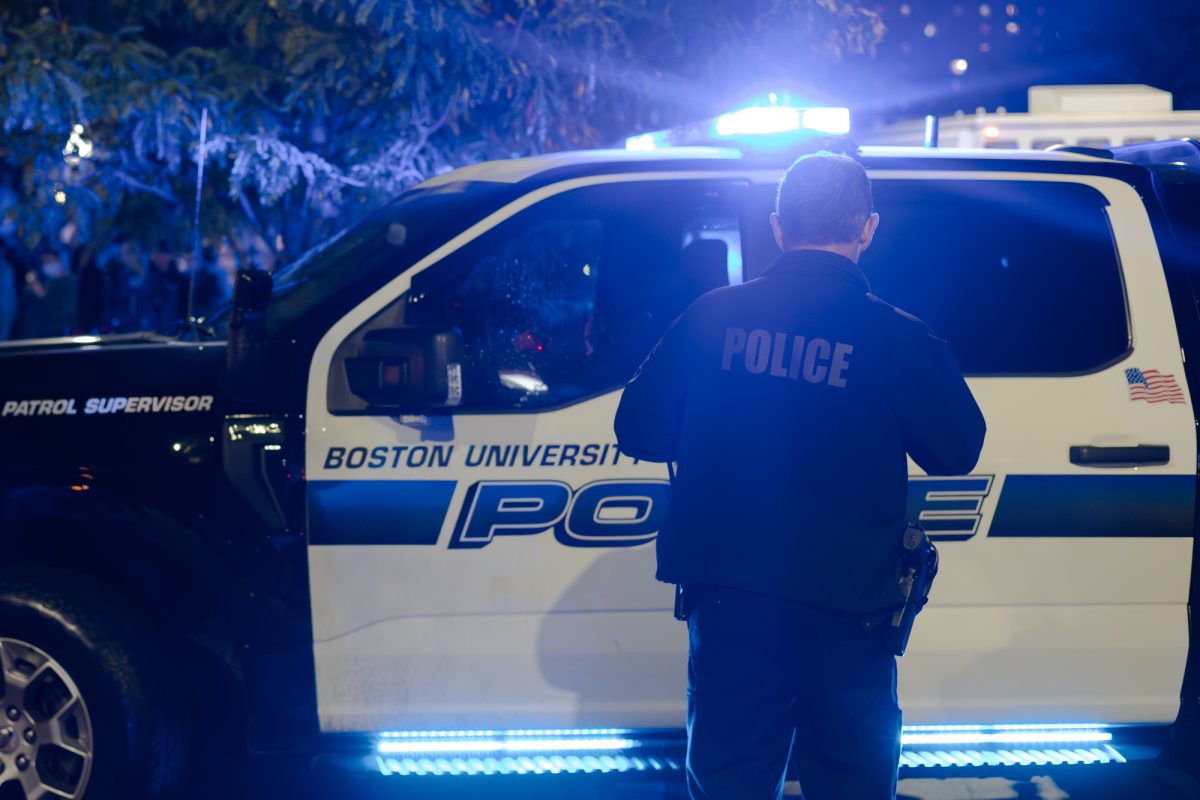


Five Boston University social fraternities said they are facing legal battles against the Boston Police Department as a result of large-scale social gatherings that escalated to court cases against students living in the houses where the events occurred, according to court dockets and interviews with fraternity members.
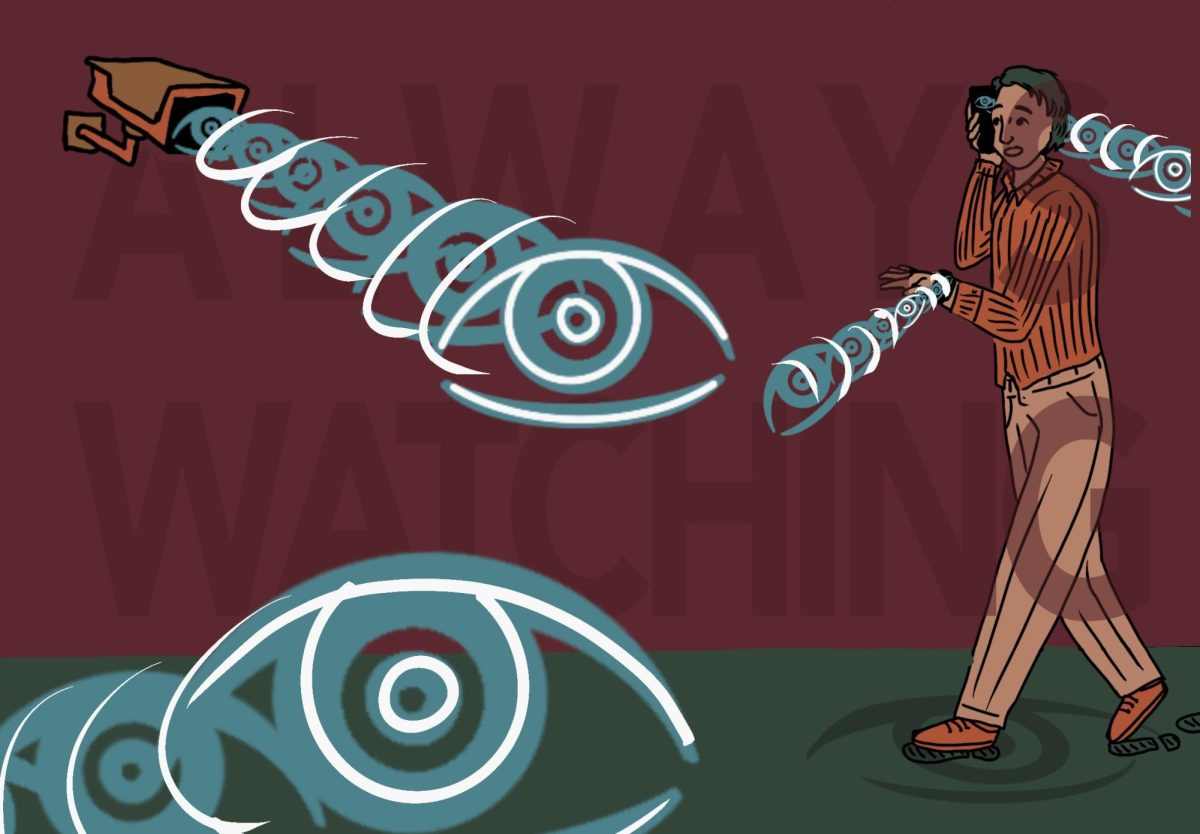
On Aug. 21, 2025, BPD shared a letter with BU’s “off-campus community” warning students of the consequences of hosting a “noisy and disorderly house.” The letter described it as a criminal offense and said a complaint would result in a Probation Central File on students’ permanent records.
“Frats have been a thing at BU for a while now,” said Z, a BU fraternity brother who asked to remain anonymous due to his involvement in an ongoing case. “This is the first time that it’s ever become… an issue to this magnitude where every single frat at BU is getting in trouble.”
After multiple incidents of “out of hand” events and consistent noise complaints, BPD took legal action against BU fraternity members, said J, a former BU fraternity president who requested anonymity to avoid association with the situation. Various court summons were filed in November or December 2025, and most will continue until at least March or May.
Fraternity members face risks of academic probation due to the cases, and must complete community service, ranging from 20 to 40 hours, to keep their permanent records clean. The cases also require brothers to write handwritten apology letters to officers or neighbors.
While BU no longer has any official fraternity houses, many fraternities have their own off-campus houses in Allston. However, these recent legal issues have hampered fraternities from using their houses as destinations to host their events, including for rush activities.
“The house doesn’t just serve as a place where we throw parties,” J said. “It’s a place where we have meaningful events with each other, or it’s a place to hang out after classes.”
C, a BU fraternity president who requested anonymity to avoid possible repercussions, said many houses in Allston and on Pratt Street have been “blacklisted” by BPD after multiple noise complaints.
“You can try to mitigate through having several houses,” C said. “The core experience is that you’re able to have these house parties and take advantage of the basements or the backyards.”
Phi Kappa Tau secretary Levi Chan said PKT avoids noise complaints by ending their events “a little bit earlier than usual” and “minimizing … people outside,” but acknowledged “there’s always a risk” of getting noise complaints.
“Generally, a lot of the times you get a complaint, it’s because there’s so many people outside. All this chatter will summate into a level that’s noise complaint worthy,” Chan said.
C said these extra precautions aren’t always a guarantee. Members of his fraternity bought a decibel reader for a 20-person event. But a week after the event, housemates received a noise complaint notification from BPD.
Fraternity members said they do not feel any support from the University amid these struggles. The Office of Student Conduct & Conflict Resolution emailed warnings to residents of affected fraternities about a month before some cases were filed, fraternity members said.
“The fact that BU is willing to allow Greek life…while at the same time, this situation, where every frat is being shut down, seems just a little hypocritical,” Z said.
Chan said while his fraternity isn’t facing any legal issues, BU’s noise complaint policy is “a little harsh.”
“It generally just becomes very stressful to try and throw any event,” Chan said. “One strike, if you get a noise complaint, you get a mark on your record.”
Margaret Babson, the Director of BU’s Student Leadership & Impact Center, said while she is unaware of any legal matters concerning BU’s recognized fraternities, they receive the same treatment as other campus-recognized organizations.
“SLIC’s goal is to support the work and operations of our recognized groups, while ensuring students are having a positive experience,” Babson wrote in a statement to The Daily Free Press.
Multiple fraternity members disagreed with Babson’s statement and said they believe their organizations are treated “indifferently.” They pointed to difficulties in booking on-campus rooms and a lack of fraternity promotion at SPLASH.
M, a BU fraternity brother who requested anonymity to avoid association with the situation, said fraternities are “essential” to control on-campus activities, such as drinking and smoking. However, he said he believes BU “pushes” fraternities down despite this.
“I think [fraternities are] good overall and should be promoted rather than intentionally swept under the rug,” M said. “We’re registered. We pay to be a part of the BU system, but they treat us with a little less respect.”
C also emphasized the value of fraternities to the University and said fraternities at other schools are facing “nothing like this,” based on his experience talking to other presidents at his fraternity’s national conference.
“I do think that social Greek organization is really important at BU, because we are so academically minded,” C said. “It’s never about just having fun and getting to know people.”
R, a BU fraternity brother who chose to remain anonymous due to the sensitive nature of the topic, wrote in a statement to The Daily Free Press that the court cases “are killing Greek Life.”
“The noise complaints are taking students living in frat houses to court to fight them and creating a larger financial struggle for students,” R wrote. “I believe this is also ultimately harming BU’s community … they are ultimately killing the biggest social environment on campus.”
Z said despite fraternity cooperation with the case, BU is trying to further punish members to ensure a similar situation will not happen again.
BU spokesperson Colin Riley and Assistant Dean of Students Dale Robbins declined to comment.
Judson Horras, president and CEO of the North American Interfraternity Conference, emphasized that they only work with Interfraternity Councils for “resources and general advice.”
“The NIC has no role in accountability, oversight or legal matters related to chapters at Boston University (or any campus for that matter),” Horras wrote in a statement to The Daily Free Press.
Aside from the six interviewed brothers, The Daily Free Press reached out to 60 members across all the social fraternities for comment, six of whom declined, while the rest did not respond to requests. The interviews conducted represent members from four different fraternities.
“If a fraternity is doing something disrespectful or against a law or something outrageous, then it’s very justified for there to be consequences,” J said. “I just wish it didn’t escalate to a thing where there is so much anxiety around it, so much money spent, so much time wasted, so much uncertainty. I feel like that’s disrespectful and unfair.”


