



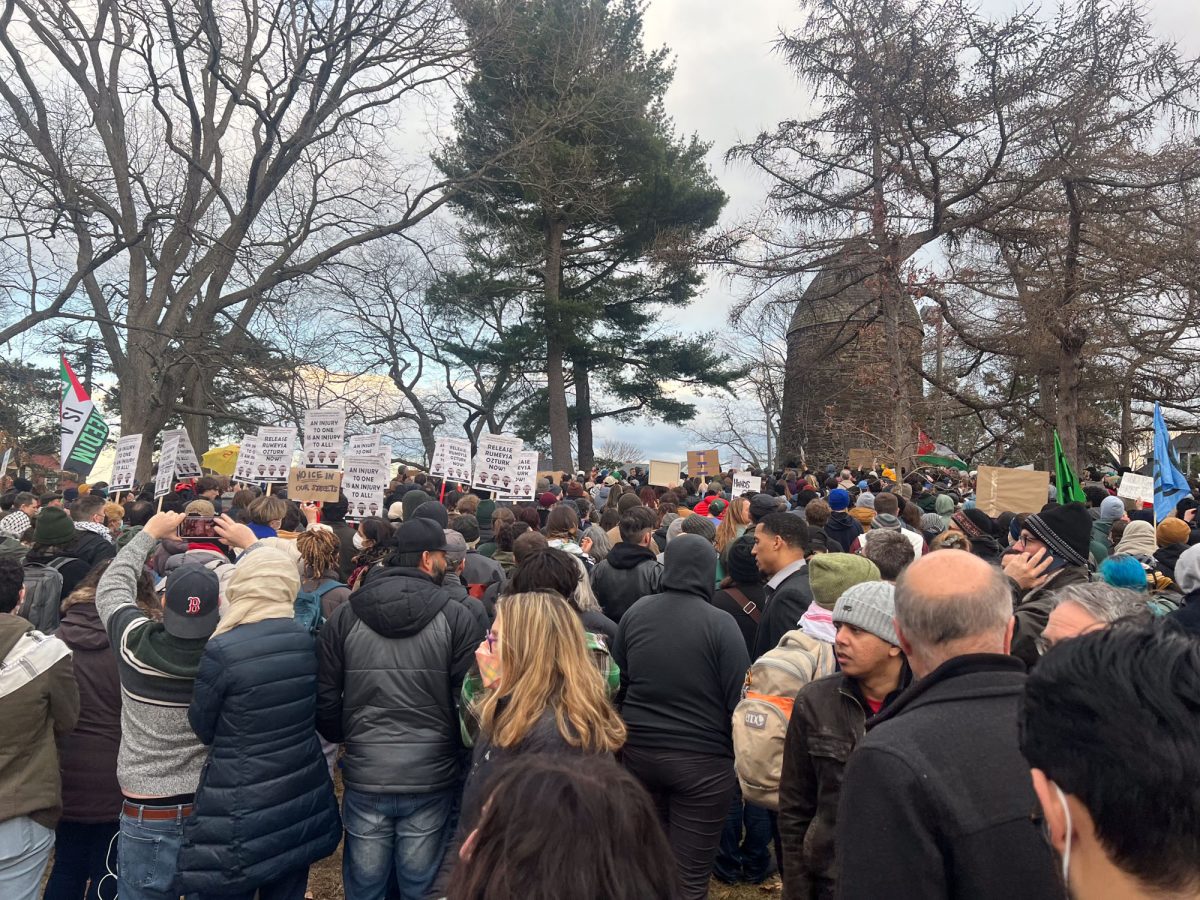




























































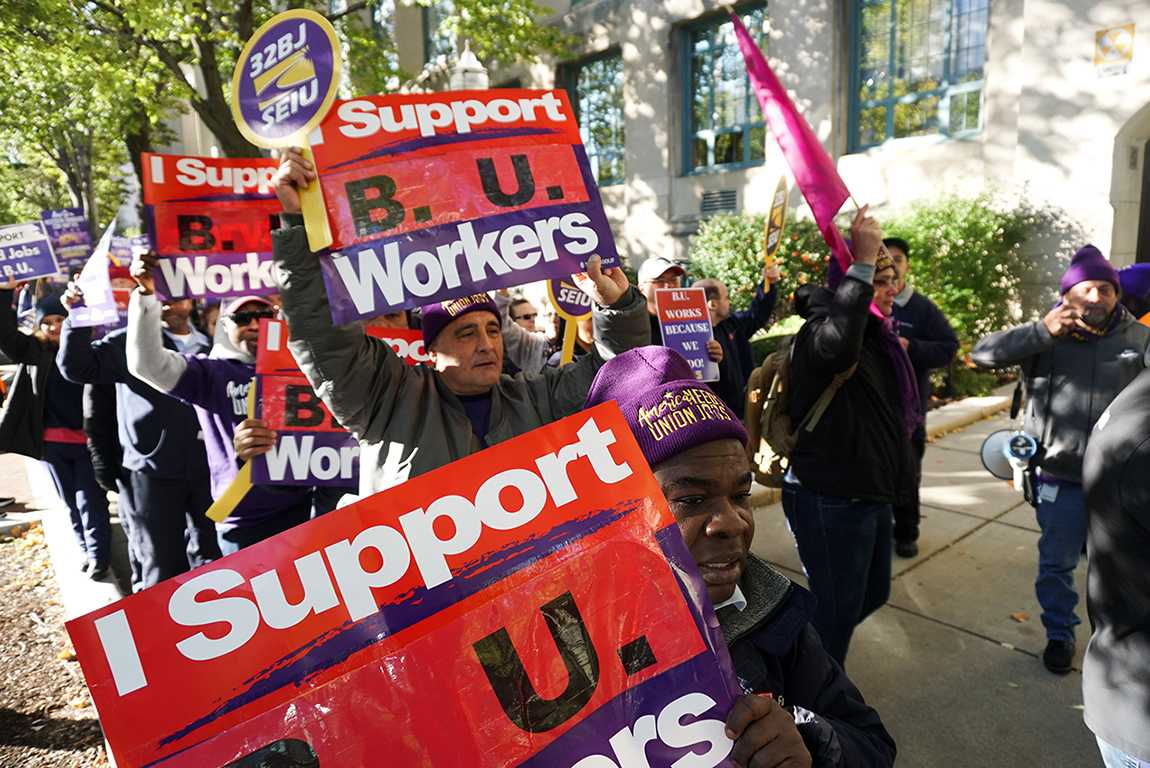

























Students and faculty from Northeastern University and Boston University testified in a call for transparency, student representation and academic freedoms in higher education during a Boston City Council hearing Monday.

Councilor Julia Mejia and Councilor Miniard Culpepper introduced the hearing over concerns about “the lack of transparency” from university administration on issues that impact students, including the cutting and rebranding of Diversity, Equity and Inclusion programs and federal immigration enforcement protocols.
“These are not abstract issues,” Culpepper said during the hearing. “They shape how safe and supported students feel in their daily lives.”
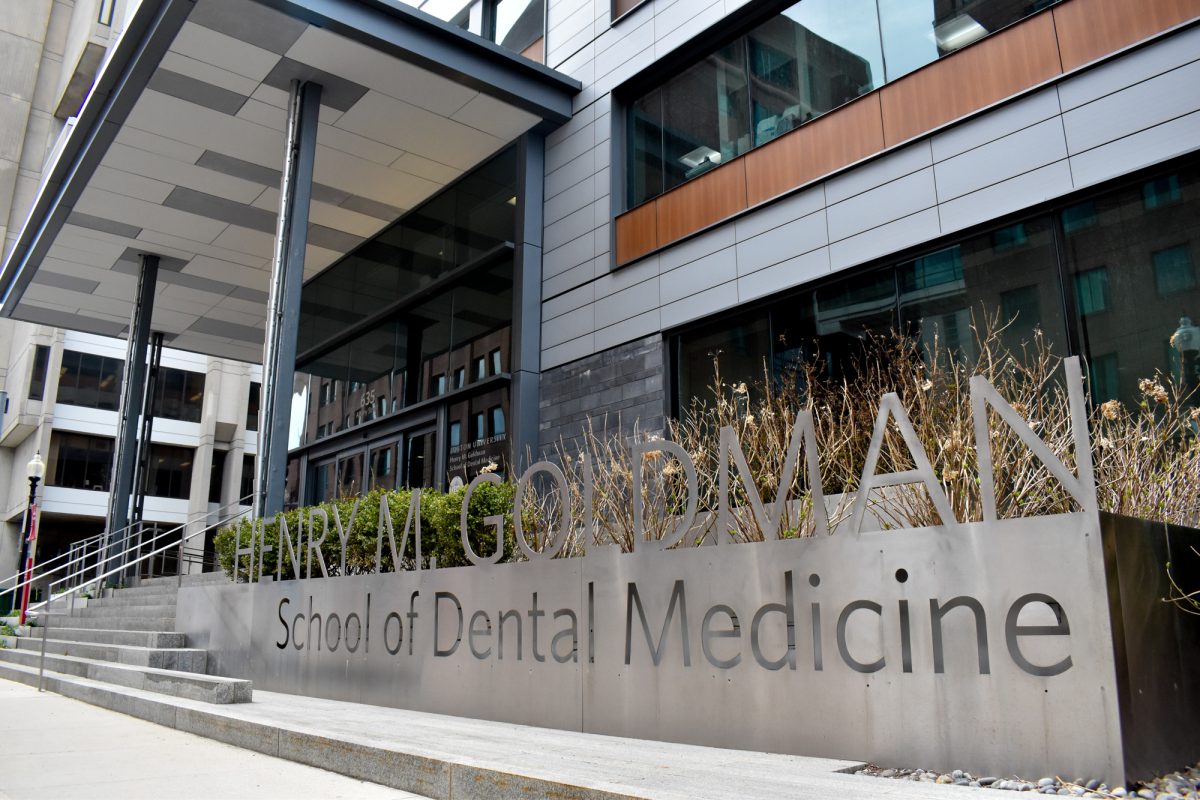
The hearing, held before the Committee on Education, featured two panels and 28 public testimonies from Northeastern, Suffolk University and Boston University students, faculty and staff.
“These institutions play a critical role not only in educating students but in shaping the civic, economic, and democratic life of our city,” Culpepper said, “It is particularly troubling to hear students that feel excluded from decisions that directly impact their academic experience, their campus climate and future opportunities.”
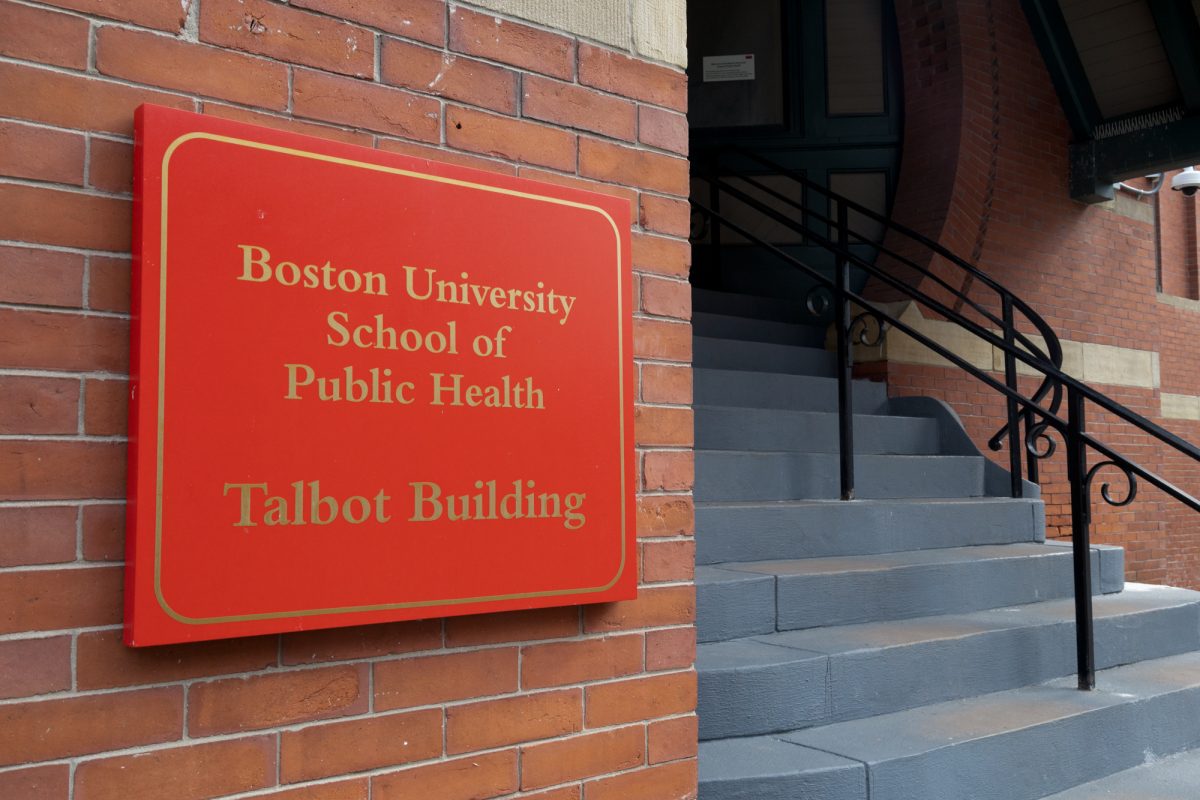
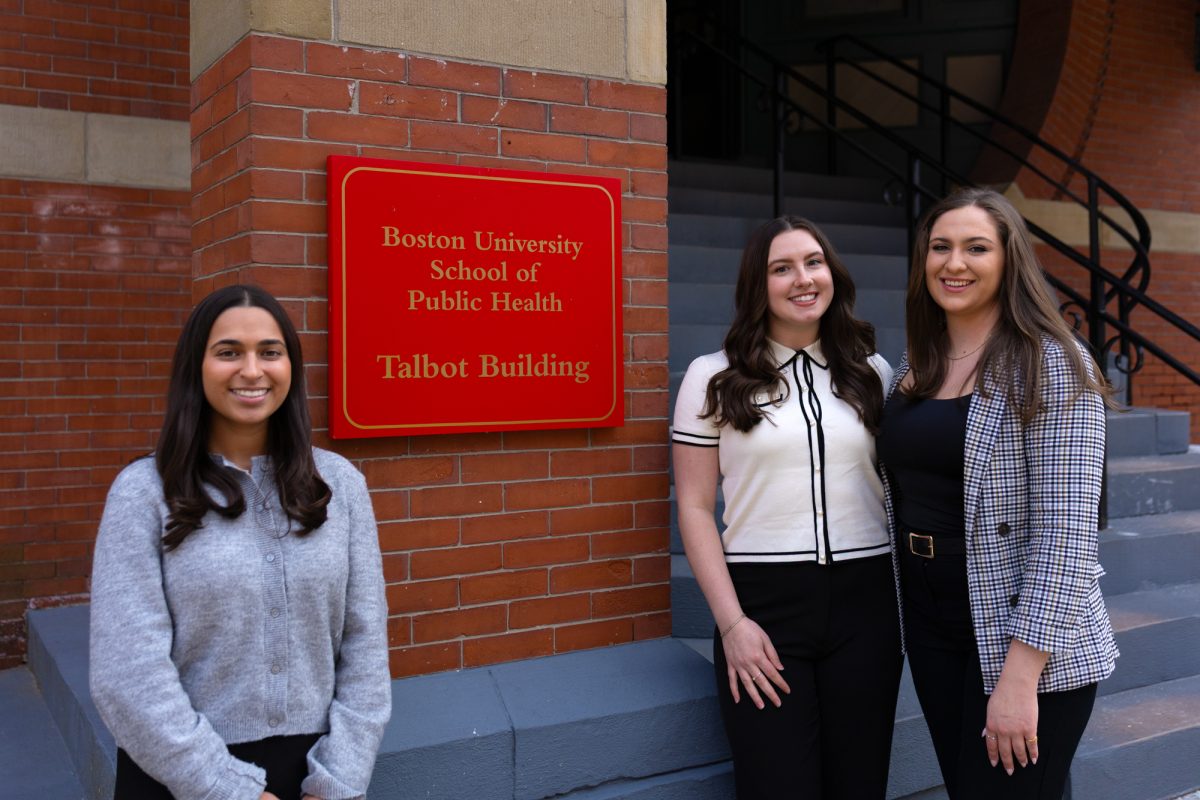
Testifiers from BU raised concerns about feeling unheard by the administration and a lack of student representation on the board of trustees.
After a series of reorganizations over the past two decades, the board has “eliminated all of the positions and opportunities for students to interact with the trustees,” said BU student Abraham Budson-McQuilken, the chief of staff of the president of Student Government.
“We feel strongly that the University would be better able to function if students were able to understand the priorities of the administration and board of trustees,” Budson-McQuilken said. “This is an issue that not only affects the student body but affects the city of Boston, which relies on the major academic institutions.”
Nathan Phillips, a BU professor and member of BU’s chapter of the American Association of University Professors, an organization that promotes academic freedom and shared governance in higher education, submitted remarks to the council focused on increasing transparency within the administration.
BU officials removed Phillips’ pride flag display twice from his office window in March, citing a “content-neutral” signage policy, but Phillips said the University was not transparent on the rules, leading to confusion among faculty and concerns about free speech and selective enforcement of the policy.
“The answers that come back from administration are really just like, ‘rules are rules,’” Phillips said in an interview after the hearing. “That’s not good enough.”
Zi Glucksman, a Northeastern graduate student and a panelist, submitted nearly 500 pages “documenting Northeastern’s harms to its community” from a lack of administrative transparency in its decision-making, including budget cuts, changes to codes of conduct and the removal of DEI messaging from its websites.
“The university community is not meaningfully able to advocate for itself because it lacks a true mechanism to obtain information or implement reform, especially when that reform is focused on transparency and representation,” Glucksman said.
Glucksman is the president and co-founder of the Educational Freedom Project, a Massachusetts organization focusing on protecting student rights and holding universities accountable.
Members of the Educational Freedom Project said they invited members of Northeastern’s administration to attend the hearing, including Northeastern President Joseph Aoun, but no members of the university’s administration attended the hearing.
“The lack of Northeastern leadership in this room is really evidence of the pattern of neglect and betrayal of the university community,” said Kylie Bemis, a Northeastern professor who testified at the hearing.
Bemis, who said she reached out to but “heard nothing back” from senior Northeastern leadership, criticized Northeastern for not acknowledging the transgender community’s “fear and danger” under President Donald Trump and how the university has “complied and advanced in ways to abandon DEI.”
“Authoritarianism and tyranny will seek to control truth,” said Bemis. “Democracy relies on freedom of speech, on free exchange of ideas, and these are some of the things that our Northeastern leadership has undermined.”
Lokesh, the chair of Northeastern’s Young Democratic Socialists of America who only introduced themselves by their first name, said the organization sent over 1,900 letters to administrators in an attempt to “ensure immigration rights at Northeastern.”
Their letters received “not a single response,” nor clarification on how students will be protected from Immigration and Customs Enforcement agents on campus, Lokesh said.
Mejia said the council will look into filing a resolution to affirm student voices, implementing a “community oversight panel” to hold universities accountable and utilizing the council’s subpoena power to drive change.
“Up until today, there has never been a critical mass of young people walking into this chamber demanding transparency along with faculty and staff,” Mejia said. “So this is power building and movement building at its best.”
Mejia assured attendees the council will “at the very least” continue to give university members “the platform and the microphone to amplify [their] issues,” she said.
Following the hearing, Phillips said he felt the councilors were “engaged” in the debate, and he was hopeful “the issues that are facing our students, our campuses” were heard.