
















































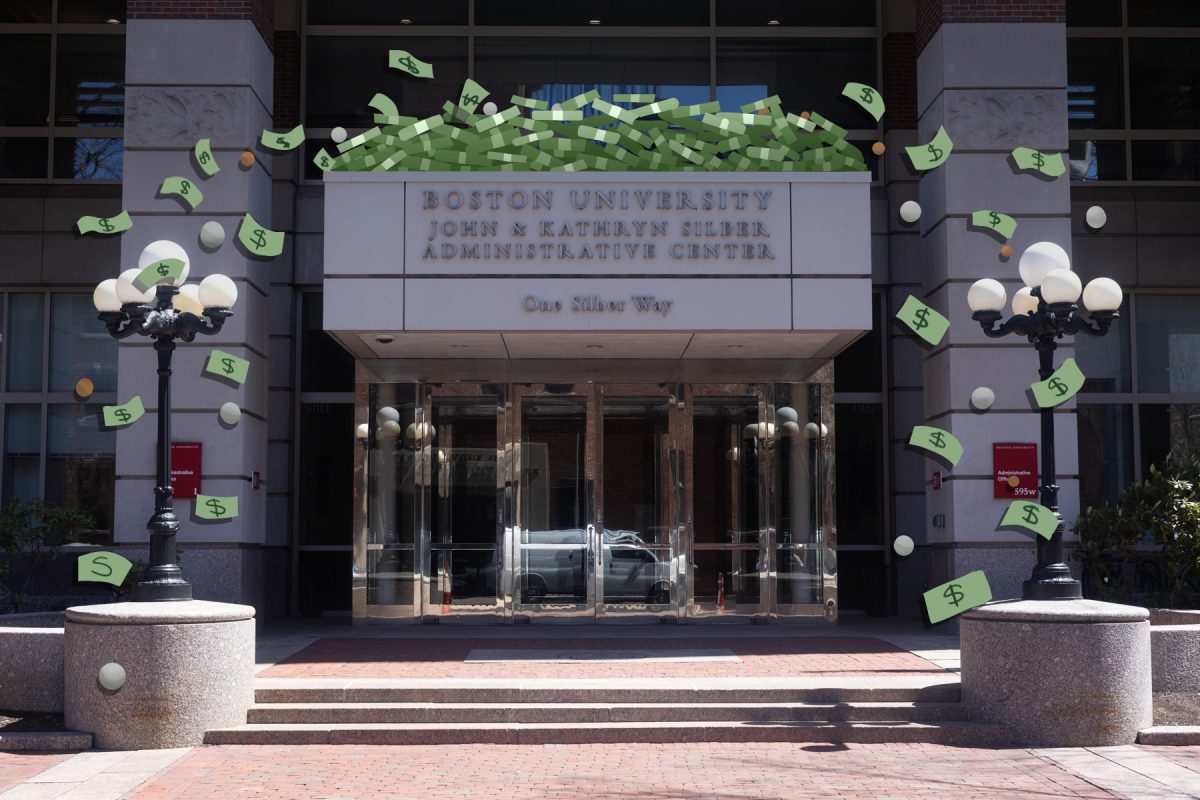


We are nearing the end of the internship application season, and I am still internship-less. Unless a hiring manager reads this article and offers me a role — or I naturally land an interview some other way — it looks like I’ll have to find another seasonal job this summer.
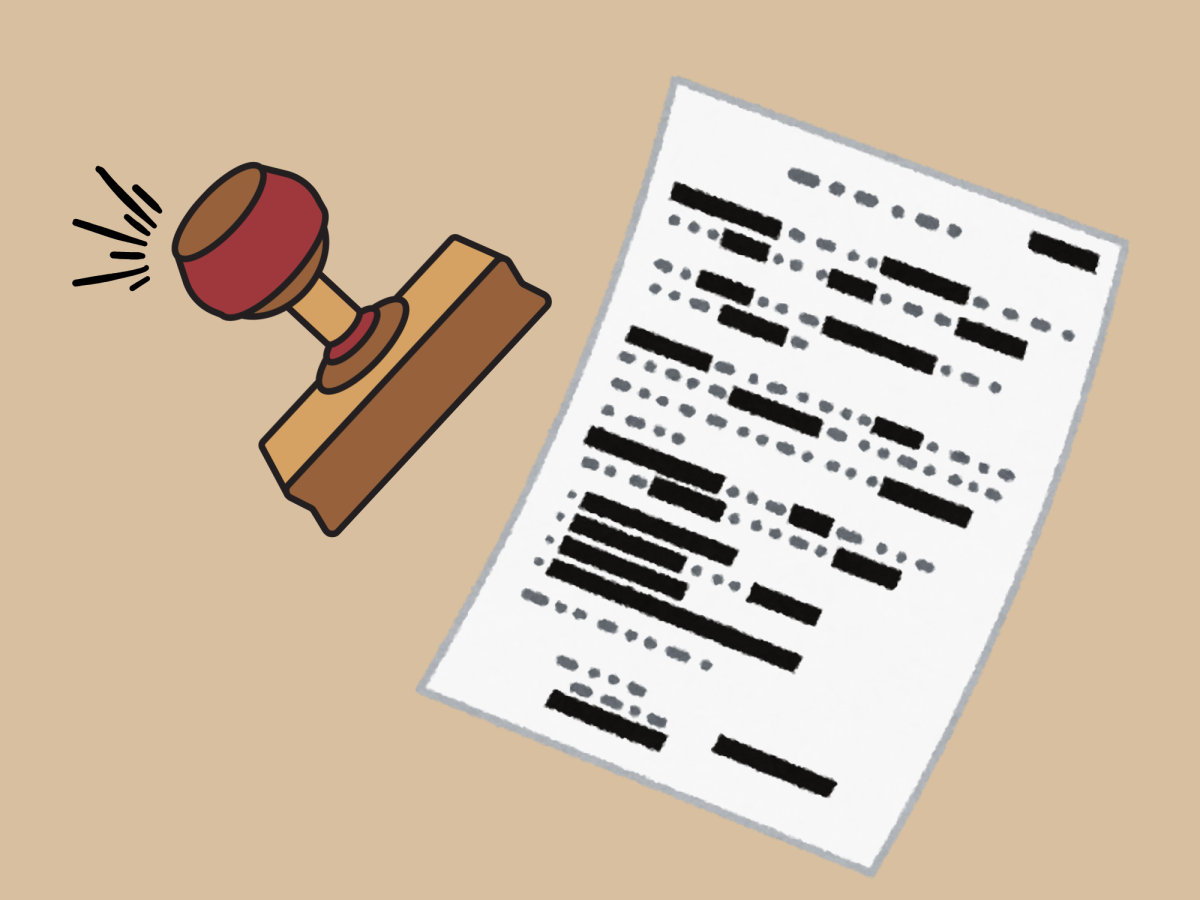
Being a pessimist during the internship cycle is quite the challenge. Before the rejection emails are sent and decisions are made, it already feels like a conclusion has been reached. In my mind, the outcome feels decided before I send in my application.
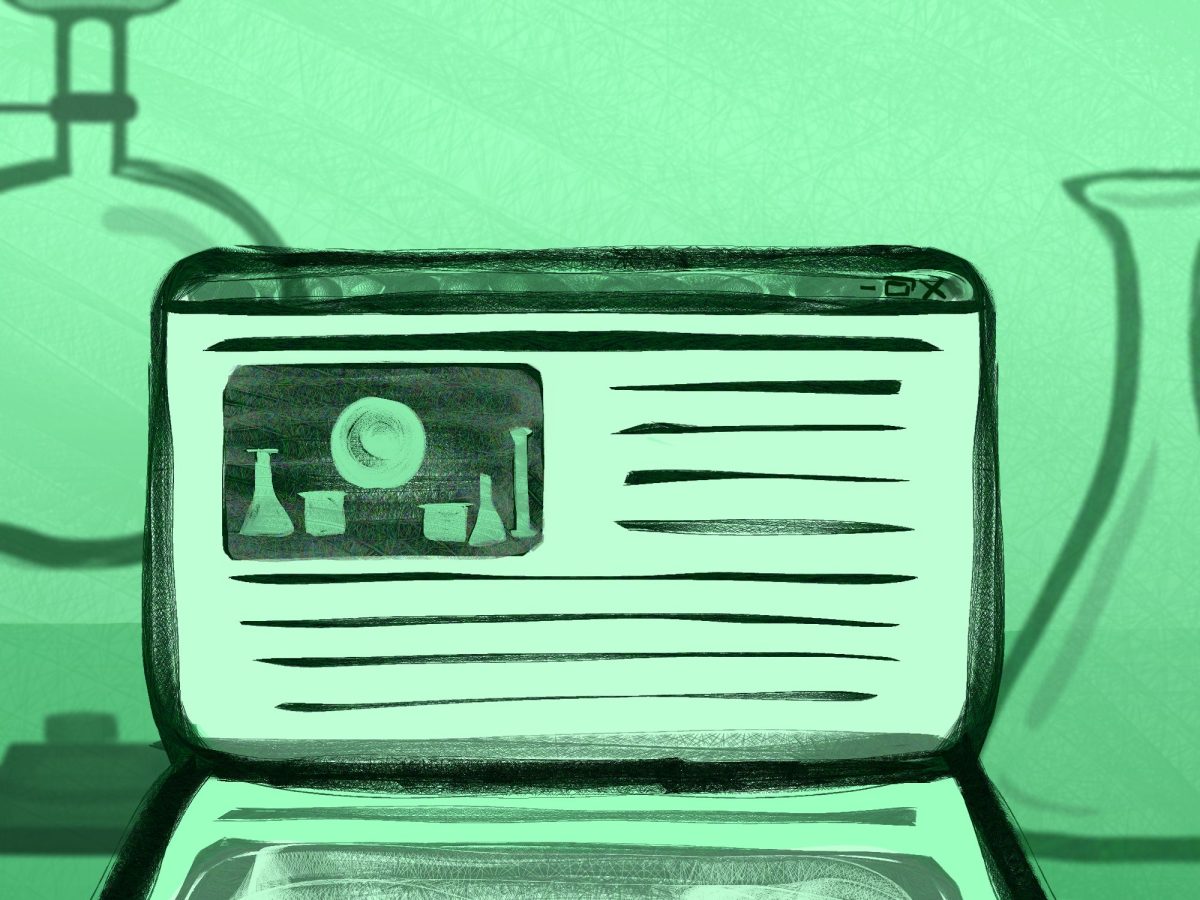
In 2026, this mindset is harder to get rid of in the face of the hidden job network. You can spend hours creating a tailored application, ensuring you include key words in your resume while agonizing over each sentence in a cover letter, only to feel like who you know or who happens to have time for a coffee chat is more important. It’s an exhausting element of the overly complicated job search.
I’m certainly not a terrible student, and I believe my experience to date should stand out to recruiters. But I’ve yet to land an internship, and that fact alone speaks more than any progress I’ve made.
It’s quite frustrating that I don’t think pessimism is entirely irrational. Oftentimes it’s intertwined with realism and allows individuals to set realistic goals — especially in this ultra-competitive era we live in. Rejections are far more likely than offers, therefore adjusting expectations simply reflects the reality of the situation.
In theory, expecting the worst isn’t a bad defense mechanism either. If I convince myself that I’m unqualified, that my cover letter is poorly written and that my resume is being torn apart by an AI scanner, I can’t be let down by rejection.
As Zendaya puts it in “Spider-Man: No Way Home” — I watched it yesterday — “If you expect disappointment, then you can never really get disappointed.”
Obviously my goal in writing this isn’t to defy every therapist’s advice and advocate for pessimism. Rather my goal is simply to depict my struggles in a process every student is going through.
At the same time this same mindset protects against disappointment, it makes it harder to recognize possibility. By the time I finish an application, hitting submit feels like the final achievement. The outcome is almost irrelevant to me, leaving the process essentially without purpose.
But I’ve continued down the journey. I continue to write, edit, submit and refresh my email even though I expect more of the same rejection. There is no shortage of effort on my end, but this effort is constantly weighed down by internal pressure and conclusions.
There are moments, though, where something else slips in — a small sense that an application was strong, or that an interview went better than expected. These moments don’t last very long, but they do complicate the process.
It’s harder to fully commit to pessimism when there is some hope.
And maybe that’s key to overcoming the tension at the center of it all. It’s not optimism versus pessimism — it’s expectation versus possibility. My expectations can set realistic goals while allowing room for a number of possibilities and opportunities.
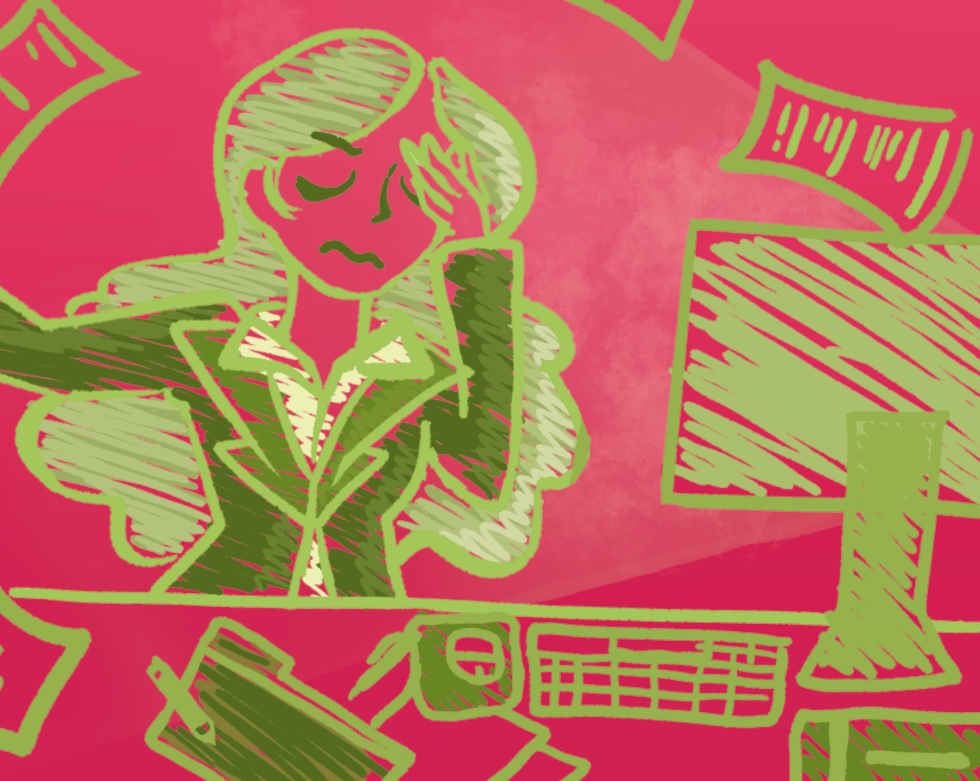
I’m probably never going to be an incredibly optimistic person, but I don’t have to be. Welcoming moments of confidence and positivity can allow space for the moments when things go right. I don’t have to suffer through the application process and the outcome, rather I can take the results in stride and move on.
Granted, I’m still working on battling my attitudes, just as I am still working on applications. I’m not certain everything will work out in my favor, but at least I haven’t stopped trying.
So to all the internship coordinators, alumni or anyone who might be reading this: I’m trying my best here. Behind every submission is effort, thought and in some familiar cases, self-doubt — but there is also persistence.