










































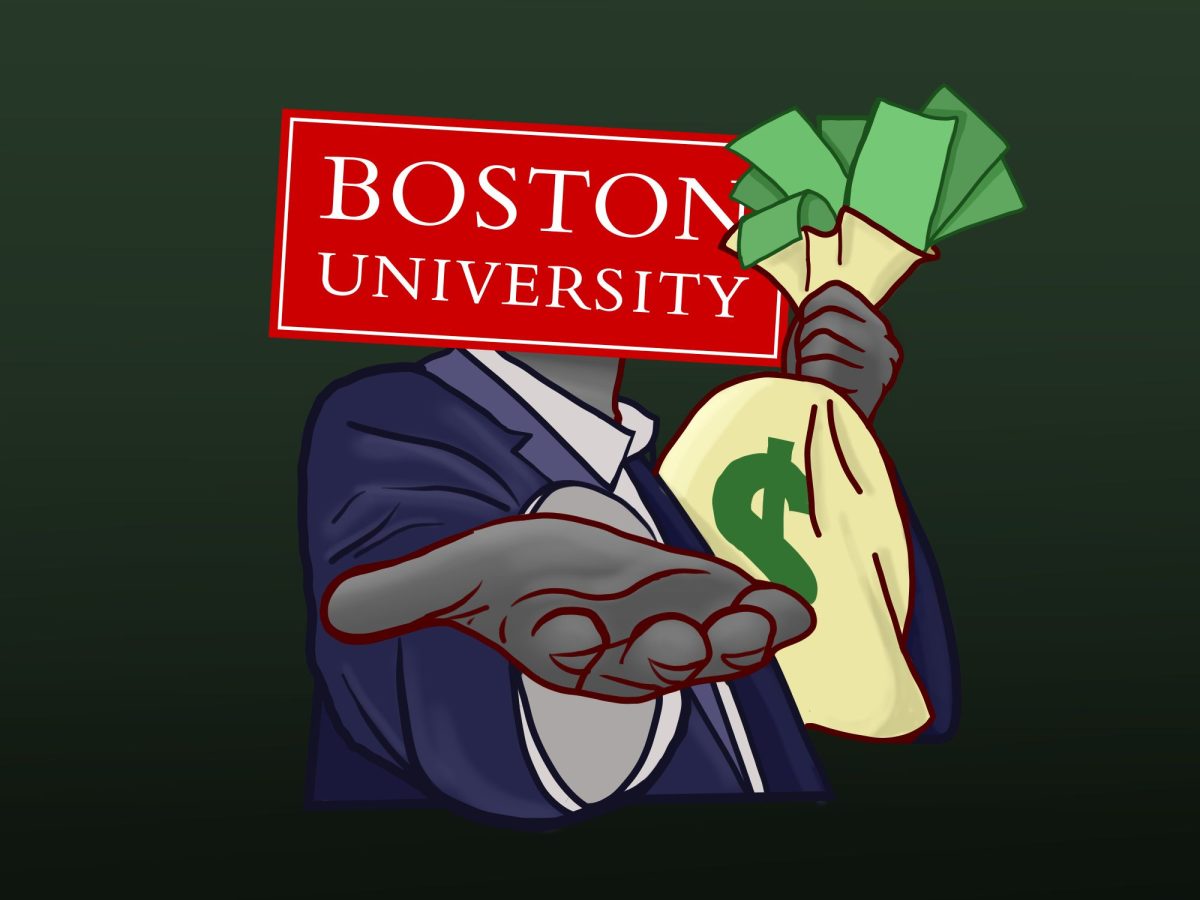




















Boston’s Chinatown has been a site of rampant gambling for decades, impacting the Asian American community living there, according to a recent Boston Globe Spotlight report.
Located just south of downtown Boston, Chinatown is home to a large East and Southeast Asian population, with many residents hailing from China, Cambodia and Vietnam. For these communities — especially older members — gambling parlors offer a way to pass the time amid a lack of accessible recreational options.
Under Massachusetts law, banking and percentage games conducted through cards, dominoes or tiles are prohibited forms of gambling. However, as of 2011, games like poker, blackjack and roulette are allowed at three legal, resort-style casinos across the state.
Local leaders differed on the severity of the gambling problem, but all agreed that it stemmed from a lack of alternative social activities.
Encore is one of the three resorts, about a 15-minute drive from Chinatown and operates a free shuttle service — the “Chinatown Runner” — that departs from the Chinatown Gate every 20 minutes and takes riders to the casino.
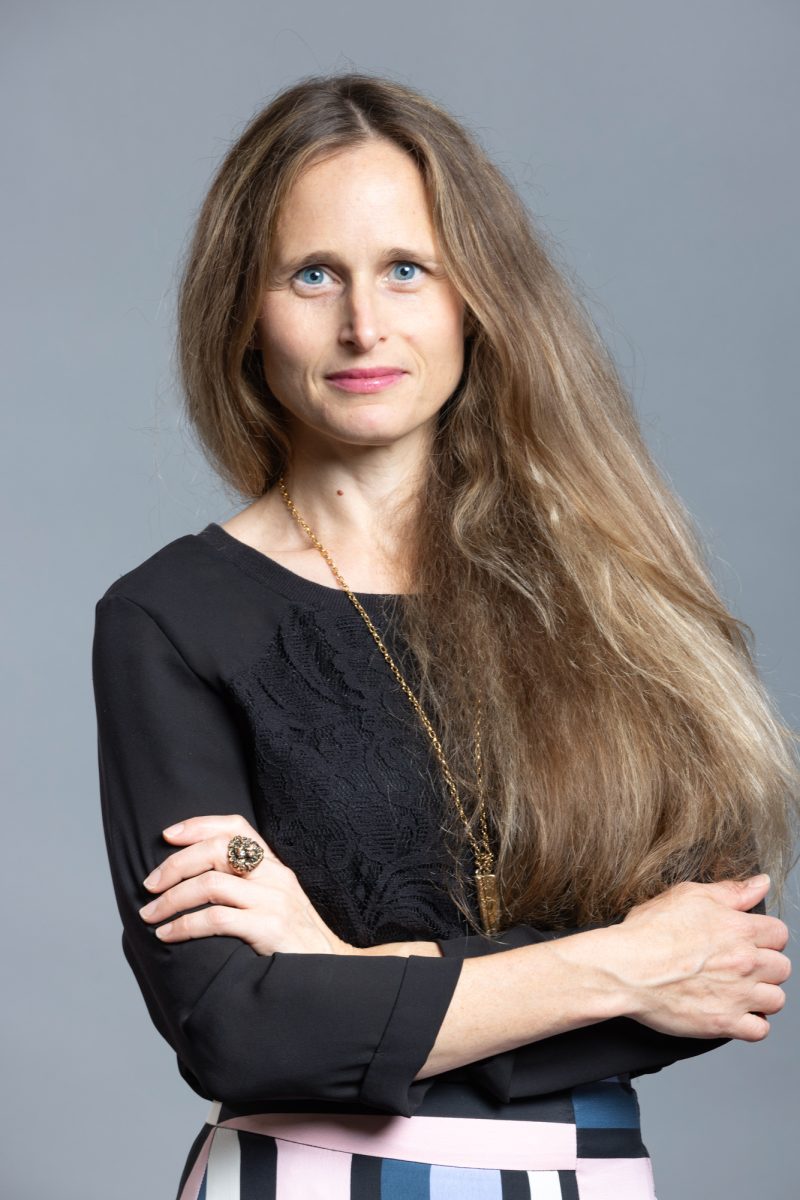
Vivian WuWong, the interim executive director of the Chinese Progressive Association, an organization aimed at supporting and empowering the Chinese community in Boston, said Encore will offer vouchers for a free meal along with the shuttle ride to further incentivize residents.
Casinos have offered organizations in Chinatown donations in exchange for support, WuWong said, but the CPA has never accepted those, as they “don’t support those kinds of institutions.”
“We know that gambling is a problem amongst the Chinese American communities in this area,” WuWong said. “There are lots of places that kind of take advantage of the fact that Chinese Americans like to gamble, especially immigrants, lower-income as well.”
WuWong said some people turn toward gambling because “there aren’t a lot of things for people to do” in Chinatown.
“There’s very little green space, you just can’t hang out on the street,” WuWong said. “And so one of the ways that people spend their time socially is gambling.”
As a result, WuWong said, the CPA tries to offer alternative activities for Chinatown residents like coffee hours and karaoke.
“We tried to provide some social outlets for people, and hopefully that can prevent people from using their time in unhealthy ways,” WuWong said. “But it’s not like we’re trying to directly address the gambling issue.”
Some local leaders said the Boston Globe’s reporting exaggerated the problem.
Joseph Wong is the volunteer president of the Boston Wong Family Benevolent Association in Chinatown, a community organization for Chinese immigrant families.
The Globe’s recent coverage of the gambling issue in Chinatown — which included two long-form articles and a video posted to social media — contained “glaring inaccuracies,” Wong said.
The Globe reported that Chinatown has an “outsized” illegal gambling presence, with residents and community leaders they spoke to estimating there are more than 30 or even 40 gambling parlors in the neighborhood.
Additionally, the Globe reported, law enforcement typically turns a blind eye to gambling in Chinatown. Although the majority of parlors are illegal under state law, officers and prosecutors are largely indifferent towards offenders.
“I have not seen anything that alarms me so far, or makes me feel that things are things out of hand until this Boston Globe article came along,” Wong said.
The association supports families and immigrants from China in the Boston area, according to Wong. They also host social spaces for seniors, he said.
“Gambling is really not that big of a problem in Chinatown anymore,” Wong said. “These days, whatever gambling they’re talking about, it’s just mostly senior citizens meeting each other to play Mahjong.”
Wong said his organization receives many recent immigrants who may be accustomed to gambling, but his organization doesn’t “police the seniors.”
“Our job is to provide a safe, comfortable place for [seniors] to congregate,” said Wong.
Al Ku’ahi Wong, another volunteer at the association, said their organization’s gathering spaces display signage in Chinese stating “no gambling.”
The gambling trend has moved beyond Chinatown to the casinos, Ku’ahi Wong said.
“There’s so many different options these days,” Ku’ahi Wong said. “All the major gambling is at the casino, so whatever’s left in Chinatown is really small.”
Wong said he is unaware of any seniors “gambling away their life savings,” as the Globe reported.
Still, gambling is a serious problem for many residents of Chinatown, often targeting and exploiting the most vulnerable people.
Matthew Myers, the director of marketing communications and corporate relations at Riverbend, a substance use and mental health treatment nonprofit, said a lot of gambling is “accidentally culturally grown.”
“Around the holidays, people are playing games … but they’re also gambling on these games, and that’s something that people don’t really think about,” Myers said. “It’s leading to unintentional habits for us.”
Myers said language and cultural barriers prevent individuals from seeking help. At Riverbend, only three clinicians are fluent in Khmer — a Cambodian language — despite a significant portion of their patients being Cambodian.
The clinic staff collectively speaks five different languages, but there are still times when they have to rely on translation services.
Gambling addictions can become “a snowball that doesn’t stop,” Myers said, and cost people more than just their paychecks.
“You can’t force someone into treatment. You can’t force someone into a mental hospital. You can’t if they’re not ready for it,” Myers said. “It’s a cultural thing to not get help, to not talk about these things, and that becomes a challenge.”