













































































Lately, the best part of my day is the half hour before I sleep: lights low, a warm vanilla tea steaming on my nightstand and me under my blanket reading the correspondence of María Casarès and Albert Camus — a 1,300-page compilation of letters from a long-distance love that lasted 15 years. . Most of it is ordinary: train times, rehearsals, colds, the Paris weather — and yet I’ve never read anything so romantic.
Sometimes I close the book and stare at the wall, and I realize it isn’t grand gestures I want so much as steadiness. Simplicity seems almost foreign these days. Say too much, and you’re “intense.” Say too little, and you’re “hard to get.” Every word is a card you play on purpose. I miss when the point wasn’t to play well but to mean what you say.
What really baffles me is remembering how easily I used to say what I felt. As a teenager, I once asked a boy out in my own words — and I didn’t even consult my friends. Where is she now?
These days, I can’t even name something when it bothers me. My brain runs a doomed equation: If it bothers me and I tell him, then it will bother him, and I’ll be even more bothered for bothering him. So I swallow it.
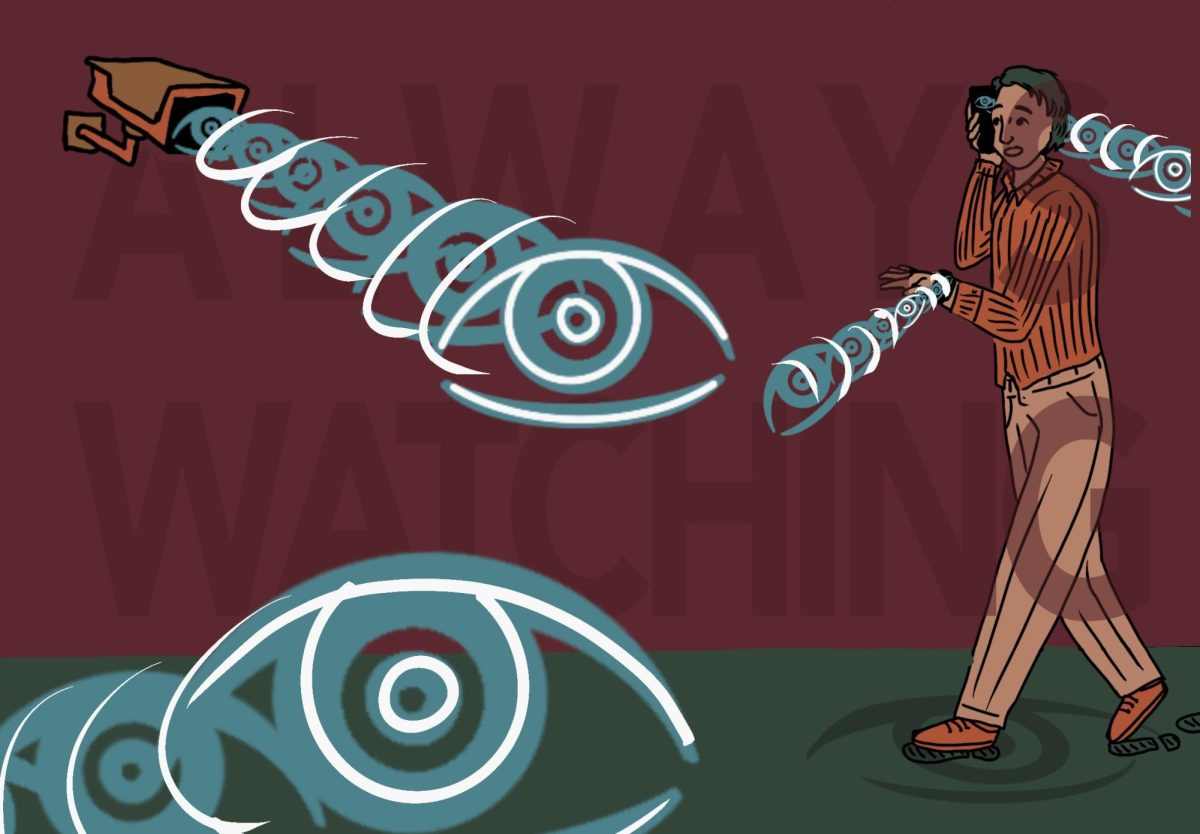
Some of that skittishness has a source. Today, everything is able to be screenshotted, and I learned that the hard way. Voice notes and messages I sent as a teenager, in which I was vulnerable enough to say I’d been hurt, took a tour of his friend group’s chat. There’s no forgetting the cold of seeing what was supposed to be between two people laughed at by a committee.
I absorbed a terrible lesson: Don’t say. Be briefer. Be safer. I swapped tiny hearts for the upside-down smile and drafted every text in my Notes app first.
Of course, it’s normal to have higher standards and to be more serious as you grow up — but silence isn’t the same as calm.
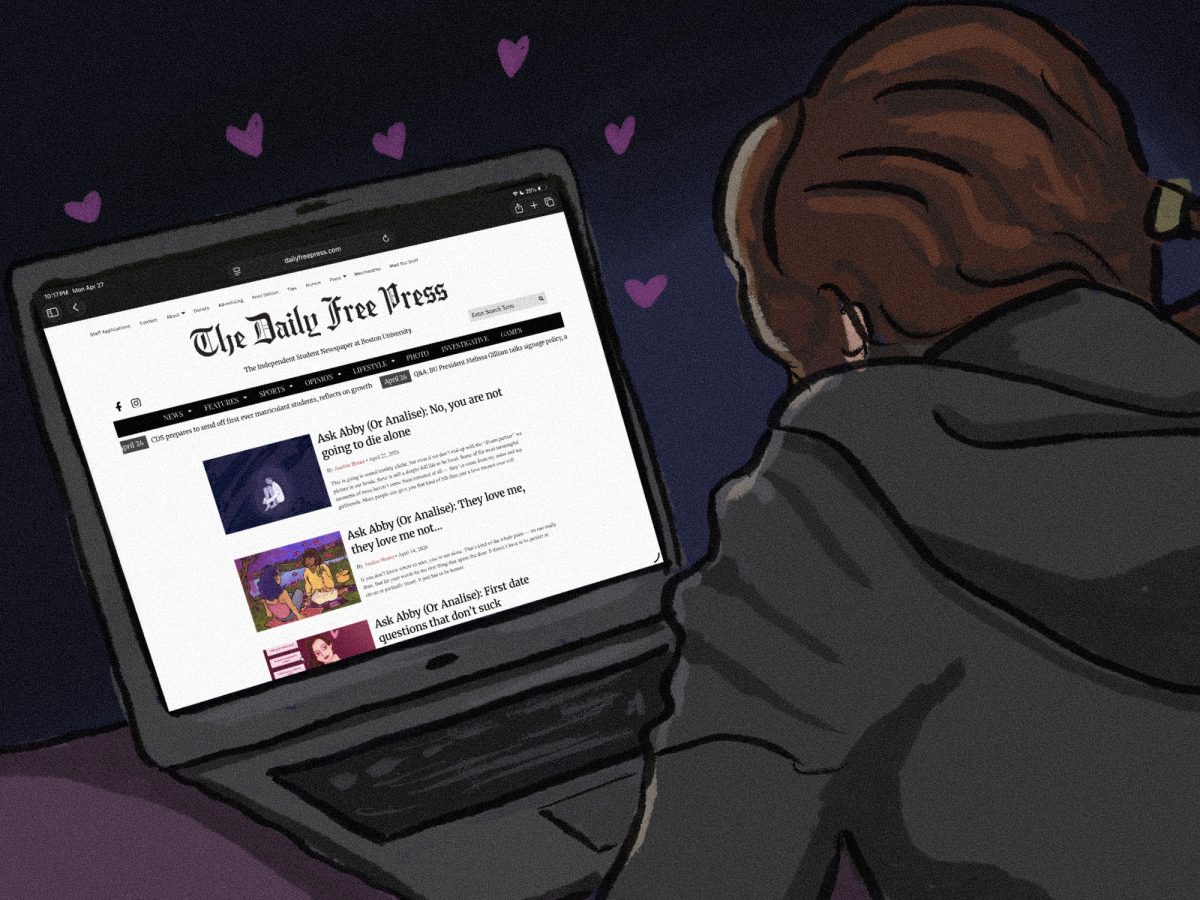
Self-protection can get so extreme that no one can get in. The “read” receipts tell on us. “Seen 2:14 pm” becomes a power move. You hold the chess piece: How many minutes, hours, even days should pass before replying? The person on the other end — possibly just as lovely and spooked as you are — now has to decide whether to mirror the distance or betray it. The result: two mirrors facing each other, reflecting “maybe” into infinity.
If the right person will like me as I am, why play? Why pretend to be unbothered when the whole point is to be known — and wouldn’t I want to know them, too? All the advice on “how to get someone” eats the very thing it’s supposed to deliver: closeness.
The result is a culture where everyone keeps to themselves while insisting that communication is key. We talk and learn almost nothing about one another. I love deep conversations and the little details, and I know I’m not the only one. Yet in almost all my relationships — romantic and platonic — those parts are missing.

We were trained to think sincerity equals humiliation. Most of us overlearned it. But when you think about it, the risks are small and the benefits are real. Maybe you might be a little embarrassed, but you also might actually connect. And the truth is: Most people relax when someone goes first.
Let’s make an effort to be a little less nonchalant each day. It doesn’t have to be dramatic — a simple “this made me think of you” to someone you like, a postcard to your best friend for no reason or a compliment to the person sitting next to you in lecture.
That’s the mindset I’m practicing: If it costs me a little cool, fine. I’d rather be understood. And when I pick my book back up, I’m reminded why. Page after page, the mundane stories add up to true devotion.