






















































































Describing something as “incredibly chic” has become social media’s favorite way of describing the new cultural shift. Quiet luxury has appealed to the masses — again. As we know from our general existence, what goes around comes around.
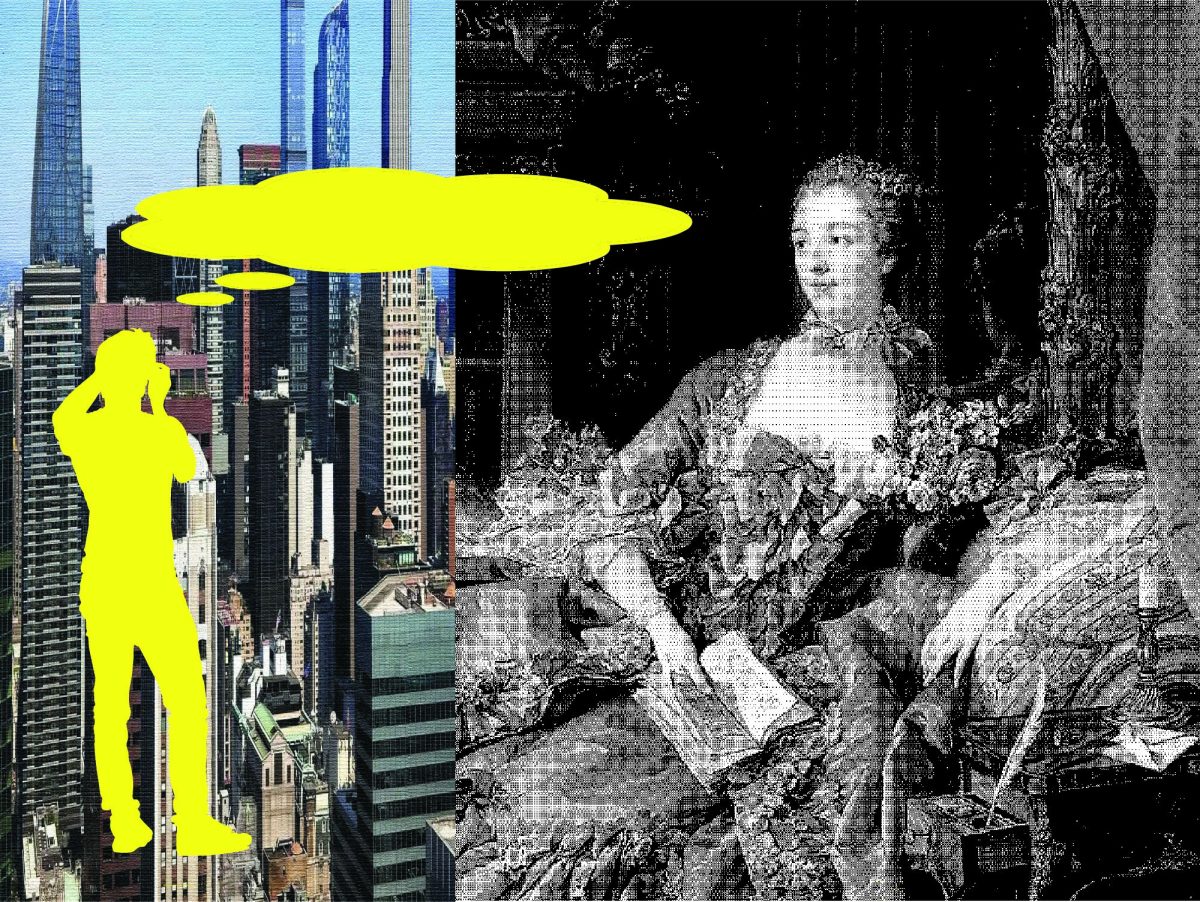
“Old money” in the American context refers to the wealth established in the Colonial era, predating the Industrial Revolution and the Gilded Age. That is when the term “old money” gained prominence, as families tried to distinguish themselves from the wealthy industries, which implied the existence of “new money.”
During the Gilded Age, new money described the financiers like the Vanderbilts or Rockefellers, who made their fortune rather than inherited it.
Today, the general rule of thumb among social scientists is that money must be sustained for at least three generations to be considered old money. In the modern-day perspective, the new money families, in the time of the Gilded Age, are now considered old money.
This poignant title comes with a style reflecting such status. The visual language of old money has always been about whispers rather than shouts.
In the 1950s and earlier, true wealth announced itself through tailored simplicity and timelessness that could be worn for decades. Today, we’re seeing this aesthetic reborn through modern interpretations like “Ralph Lauren Christmas” becoming a shorthand for cable knit sweaters, tartan plaids and the fantasy of spending the holidays at a Connecticut estate with a perfectly decorated tree and a crackling fireplace.
The recent “coastal grandmother” trend romanticizes linen shirts and the Nancy Meyers movie lifestyle, where every problem can be solved over a glass of Chardonnay.
“Quiet luxury” has made understated wealth the new aspiration. Prada’s nylon bags are recognizable to those who know but invisible to those who don’t. Burberry coats and The Row’s minimalism signal wealth through impeccable cuts and fabric rather than monograms.
The old money aesthetic isn’t just about clothes — it’s about performing a particular relationship with money, time and taste that suggests generational security.
However, it is quite an economic paradox. The current state of inflation and economic uncertainty seems to be driving the desire for timeless elegance.

Romanticizing restraint in an age of excess is not a rejection of abundance, but a reflection of our maturity as a generation. We are no longer yearning for loads of SHEIN orders but instead craving pieces that will outlast the trend cycle — and maybe even ourselves.
That behavior of 2019 and so on existed at a time of radical inclusiveness. Everyone with social media was being told they belonged. There is nothing you enjoyed that would be judged.
But that all changed when we decided we wanted to be “incredibly chic.” This phrase captures our longing for stability in unstable times, our desire for individuality in an era of algorithmic homogeneity and our complicated relationship with both abundance and restraint.
We want luxury, but we’re suspicious of excess. We crave exclusivity, but we’re uncomfortable with elitism. We’re buying less but obsessing more.