

























Op-Eds do not reflect the editorial opinion of The Daily Free Press. They are solely the opinion of the author.
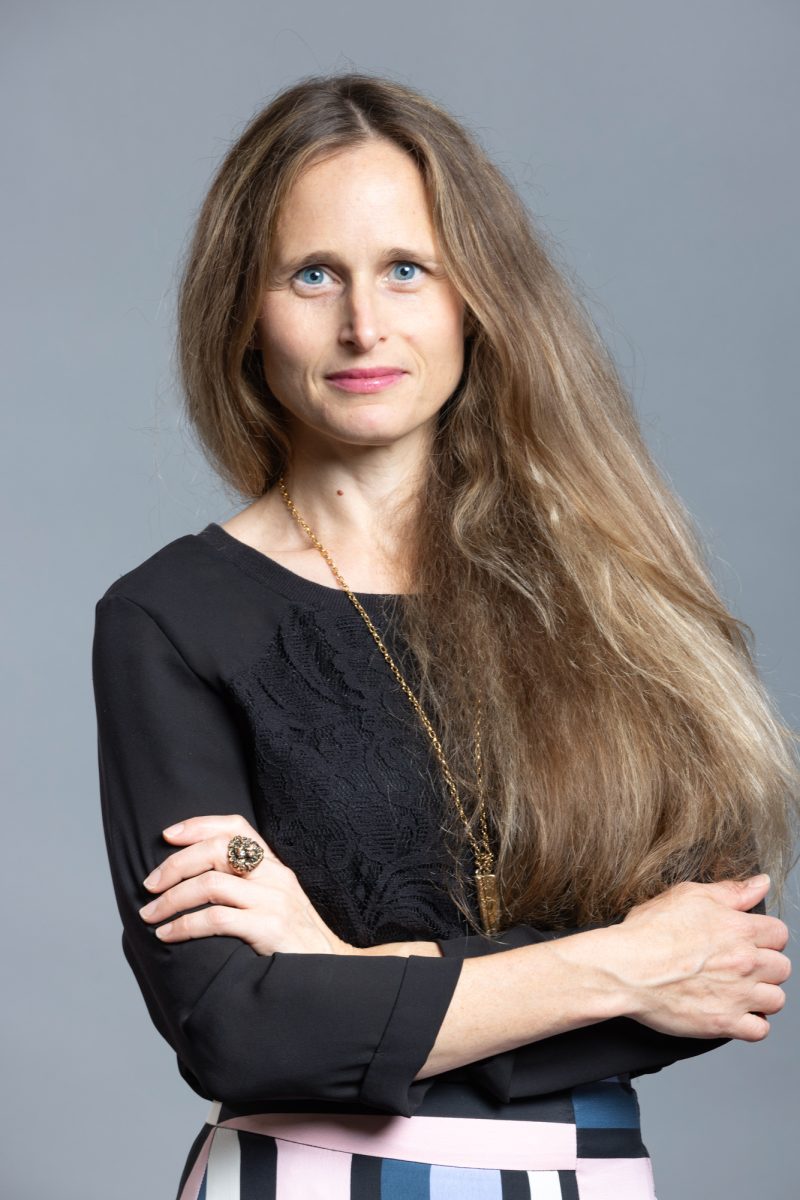
Alaa Tanteh is the Northeast Outreach & Donor Operations Coordinator at Syrian Forum USA, according to her LinkedIn page. She graduated from Worcester State University with a Bachelor of Science in Economics and a Bachelor of Arts in Political Science in the university’s class of 2025.
The Syrian war began in 2011. I was 6 years old and several of my extended family members lived in Syria.
I remember my family in Damascus was not safe. I remember seeing images of children with their limbs torn off. I remember seeing my parents’ home, the home we planned to move into, reduced to rubble.
For most of my life, that was all I knew about Syria — destruction, fear and loss. And because of that, I never imagined it could be any different. I never thought that in my lifetime I would see a day when Syria could begin to heal.
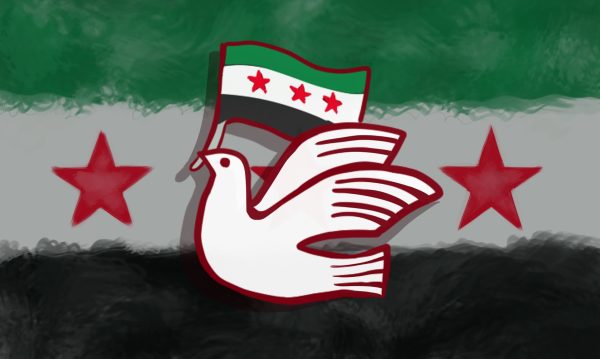
But this week, Syrians marked the first anniversary of their liberation from Bashar al-Assad’s autocratic regime, following the Dec. 8, 2024 rebel offensive led by the country’s current president, Ahmed al-Sharaa.
The fall of the Assad regime ended a 50-year brutal dictatorship as well as a devastating 14-year conflict that claimed hundreds of thousands of lives, displaced millions and tore the country apart.
One year later, people are asking: What has changed?
Every time I am asked this question, I sigh. Because what hasn’t changed?
How can you ask a people who once had their dignity stripped away from them, “What has changed?”
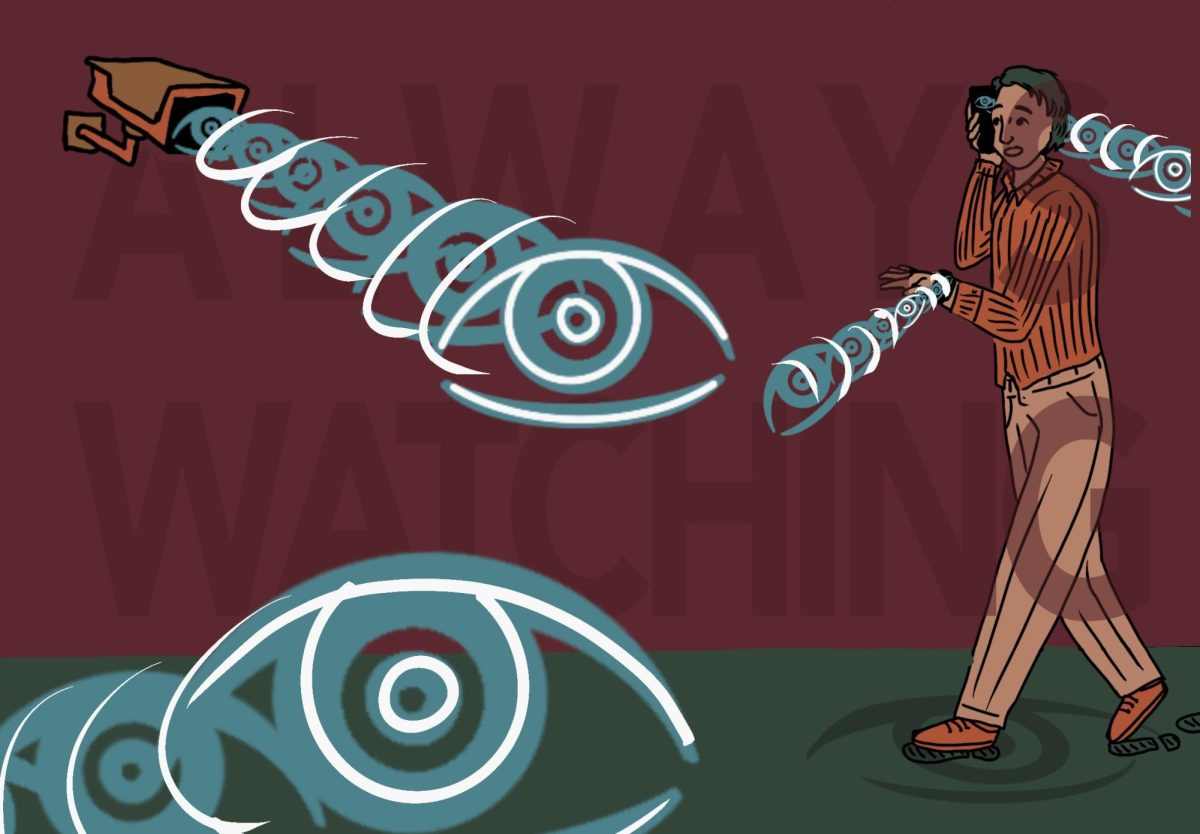
The ability to even ask that question without repercussion shows change. Under Assad, Syrians lived by the saying “the walls have ears,” a reflection of a society surveilled into silence.
Fear shaped daily life. Not only the physical fear of bombardment and airstrikes, but a constant psychological fear. It was a fear with deadly consequences: One wrong word could make you one of the hundreds of thousands who disappeared into Assad’s prisons.
The regime’s intelligence networks penetrated every space and political repression dictated what could be said, where and to whom. Every word had to be carefully measured.
I remember the phone calls we made to my family in Damascus. We desperately wanted to know how they were really doing, but could never ask directly. If they expressed any dissatisfaction, or if we said anything out of line, they could be put in danger. Someone might be listening on the other end of the line. We were forced to speak in code and just hope they were okay.
But now, for the first time in decades, that climate of fear has started to fade. In just the first few days of liberation, Syrians took to the streets demolishing statues of Assad and his father Hafez al-Assad. Statues that once stood in every neighborhood, every city center and every public square.
The grand monuments and giant portraits that depicted Assad and his father as god-like figures with eternal power were leveled within hours. What once symbolized absolute control became symbols of a regime that no longer existed.
In the past year, major airports in Damascus and Aleppo have reopened to international travel. Previously, international travelers had no reliable or safe way to enter Syria directly. When I visited my family in Syria in 2021, we first had to fly into Beirut, Lebanon, and then travel overland to Damascus. Although the distance was only about 70 miles, the journey took more than four hours.
Every few miles we were stopped at military checkpoints, questioned and pressured to pay bribes just to continue driving. We even had to hide the gifts we brought for our relatives, burying them underneath old clothes so the soldiers wouldn’t steal them. That was the reality of trying to enter our own country.
Syria’s new president, al-Sharaa, is pushing Syria toward gaining international recognition through diplomacy, which was previously unthinkable. This November, al-Sharaa became the first Syrian president to visit the White House since 1946, meeting with President Donald Trump to discuss Syria’s future. After that, Syria’s foreign minister Assad al-Shaibani met with British ministers to discuss Syria’s future.
As Syria’s new leaders continue working to bring our country back into the global community, we must remember that real change takes time. After everything Syria has endured, progress won’t be immediate. But for the first time in my life, it finally feels possible.
After decades of repression and war, Syria is effectively years behind in the global economy. The country’s infrastructure, institutions and public services are faltering. Syria’s economic devastation and physical destruction mean that recovery cannot happen overnight. Just as decades of conflict and neglect brought Syria to this point, it will take years of sustained effort to rebuild Syria.
One year of liberation cannot undo a century of setbacks. But one year of liberation showed the world that the resilience of the Syrian people is stronger than any regime, any war and any obstacle ahead.
I hope to experience the beauty of Syria, from the Mediterranean waters in Latakia, to Mount Qassioun overlooking Damascus and the ancient archaeological site of Palmyra.
I hope to hear the call to prayer echo over restored streets.
I hope for me, and for every Syrian who was banned from experiencing Syria, to finally experience it — and to live in it without fear.
I hope for Syria to finally be able to thrive and for the Damascus jasmine flower to finally bloom.

