


















































































Op-Eds do not reflect the editorial opinion of The Daily Free Press. They are solely the opinion of the author.
Arush Chandna is the co-founder of Inspira Advantage, a medical school admissions consulting firm based in New York.
Medical school is an arduous journey even before students enter the classroom. At Inspira Advantage, a national medical school admissions consulting firm, we recently surveyed 145 pre-medical students across the U.S. to understand their mental health during the application process. The results confirmed just what we had suspected. About 70% of the respondents reported frequent stress and anxiety during the application process, and about half said they felt they needed therapy.
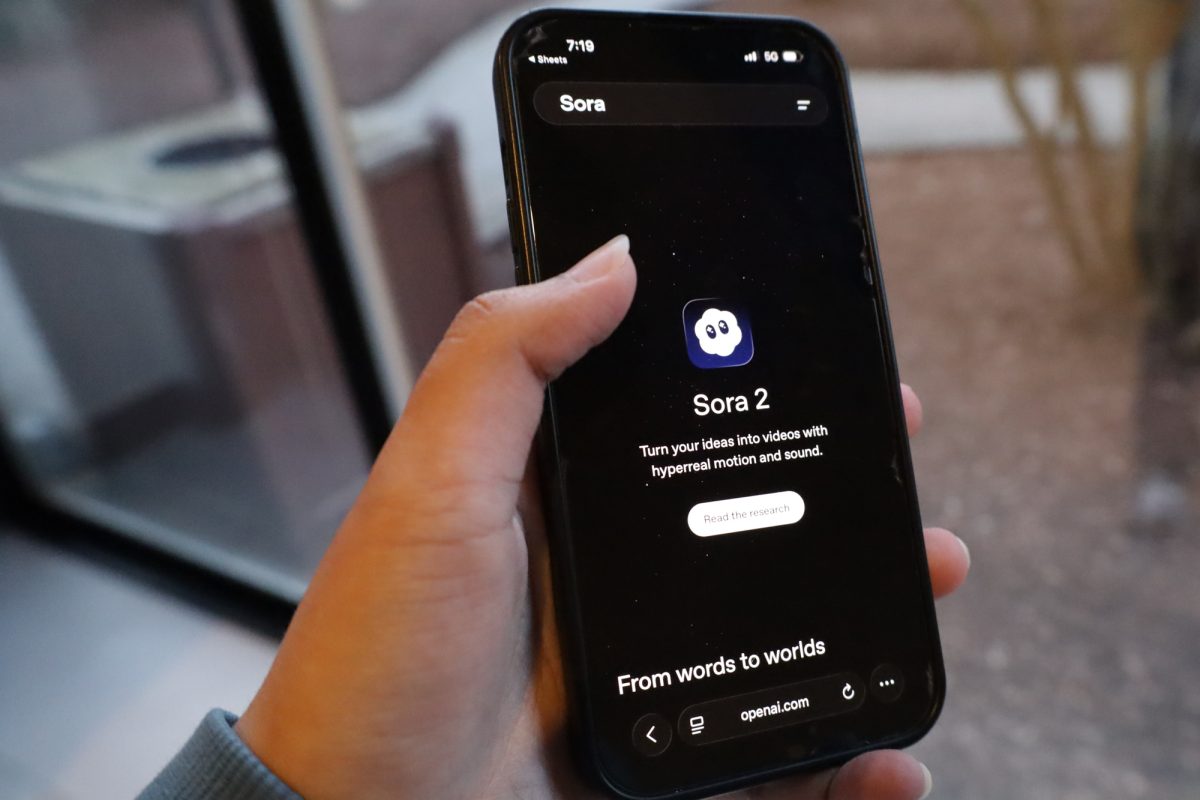
What came next, however, was unprecedented. Over half of the respondents said they’re comfortable disclosing sensitive mental health information to an AI chatbot. Nearly 30% said they would turn to AI specifically to talk through emotional struggles, and to process how they’re actually feeling.
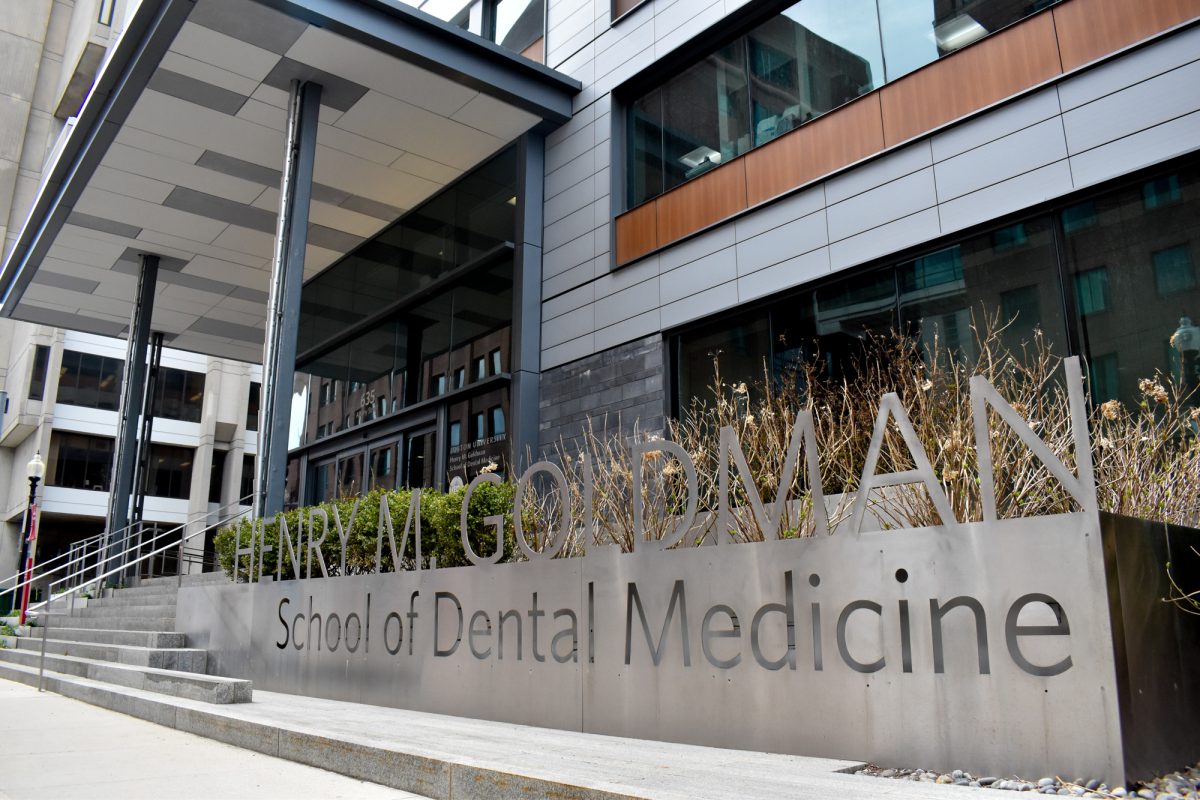
For a University that shares a campus with one of the country’s leading mental health facilities, BU’s Chobanian & Avedisian School of Medicine has every reason to take that statistic seriously.
BU’s medical campus sits in Boston’s South End alongside the Solomon Carter Fuller Mental Health Center, a state mental health facility, and Boston Medical Center, the primary teaching hospital where students train in diverse clinical settings with a particular focus on disadvantaged and underserved populations. Mental health expertise is built into the physical geography of this campus. Yet when it comes to student-facing services, the support thins out.
Behavioral medicine services on the medical campus are staffed just two days per week, with community referrals for students who need longer-term treatment. The My Wellbeing Plan offers 15-minute voluntary check-ins, during which students set a goal and book their next appointment six months later. For a student who needs help at midnight during a clinical rotation, a chatbot will answer before either of those resources can.
However, BU has shown signs of innovative integration of AI in the classroom. The school’s AI Use Policy for the MD program acknowledges that AI can serve as an “adjunct to help foster deep and meaningful learning” and encourages students to use it to summarize complex concepts and generate practice questions. BU also launched Terrier GPT, an AI-powered chat platform giving the community secure, free access to paid versions of leading AI models from OpenAI, Anthropic, Meta and others. But guidance on AI use needs to extend beyond academics to student wellness, integrating AI literacy modules that teach not just how to use AI in clinical settings, but also how to recognize when it becomes a substitute for the human support students actually need.
Two days of behavioral medicine per week is not enough for a campus training program for 650 medical students. BU should scale those services and leverage the Terriers Connect framework to build structured peer mentorship between upper-year and pre-clinical students around emotional resilience, not just academic advising. Faculty need to normalize conversations about mental fatigue early in their education, before students decide public Large Language Models are an easier path.
Our survey found that nearly 67% of respondents believe future physicians must understand AI’s limitations and risks. Students already recognize the problem. BU’s Chobanian & Avedisian School of Medicine has best-in-class mental health research, a formal AI strategy and a campus surrounded by clinical psychiatric expertise. All the pieces are present. BU just needs to extend its expert-led mental health support to its students at the right time, in the right form and before they turn to an AI bot.

