



































































“The Devil Wears Prada,” “How to Lose a Guy in 10 Days,” “Sex and the City,” “How I Met Your Mother,” “Gilmore Girls,” “Bridgerton,” “People We Meet on Vacation” and even “Supergirl” — what do these iconic films and series all have in common?
At the heart of each story is a protagonist who writes. There’s a journalist chasing a story, a columnist dissecting love or an author trying to make sense of the world around them. And almost always, these stories begin the same way: The writer is faced with writer’s block. They are stuck — confined to a desk, hidden behind a screen or lost behind an alias.
It’s a familiar trope because it reflects a deeper truth. Writing doesn’t exist in isolation. It’s built from observation, interaction and experience that comes when you step out from behind the desk.
In these films, the story doesn’t begin until the characters step into the chaos of life itself. But strip away the narration, the dialogue and the perspective and what’s left? Without writers, there is no story.
Writers are, at their core, narrators of human experience. They translate the world for others to understand. By giving a voice to the voiceless, they build the very stories that structure daily conversation through dissemination of information.
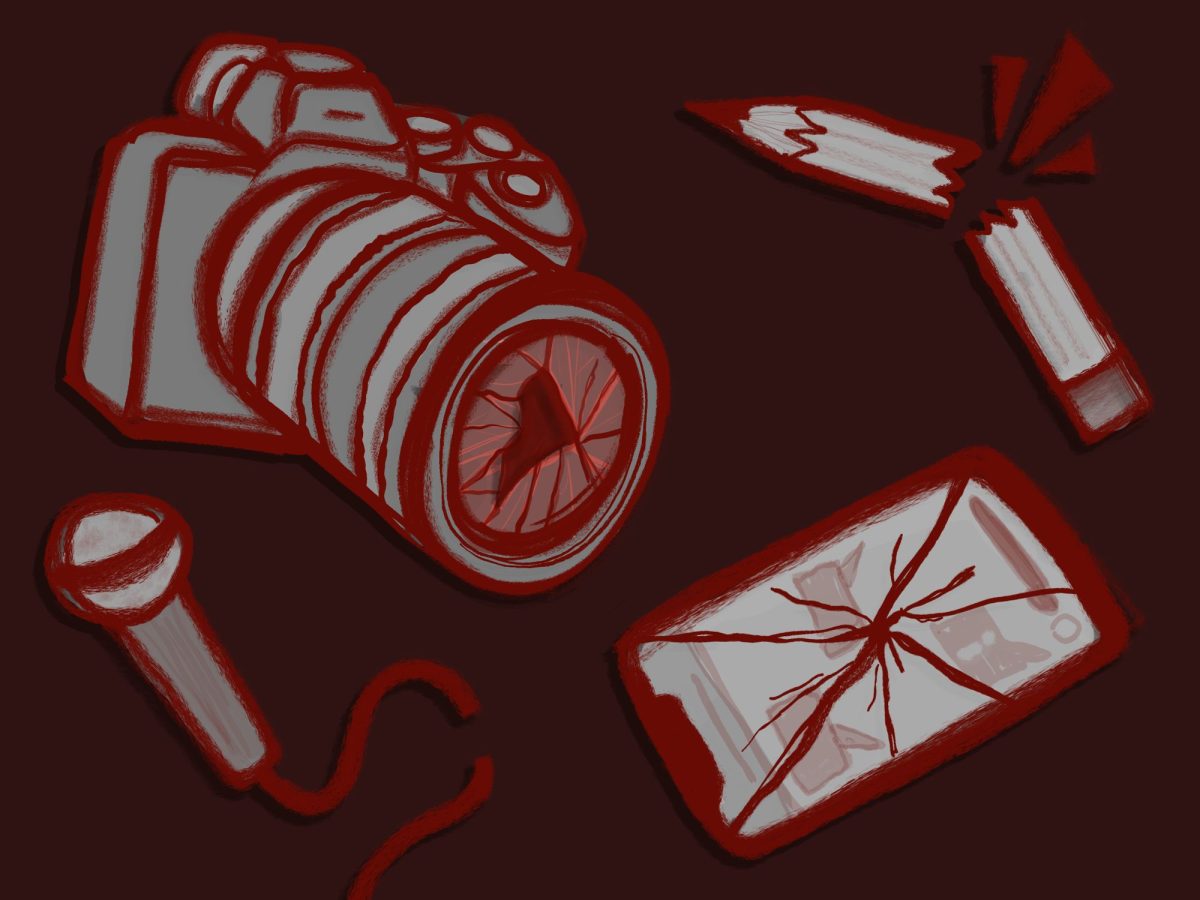
And yet, in real life, writers are often underestimated.
In an era where artificial intelligence and automation are diluting human creativity, writing remains a vital form of self-expression. Writing resists generalization and serves as an expressive outlet, but it can be more than that. It should be recognized as a credible profession, one with its own demands, while also valued as an essential skill.
Most people don’t think about what goes into the stories they read, the media they consume, or the films they watch. There is a carefully constructed script or a detailed outline at the core of each creative work.
To write well is to achieve syntactical balance while expressing fact and opinion. Ultimately, writing involves engaging the right audience in the right way, while respecting grammatical guidelines, decorum, and sensitivity. All this is communication.
We communicate everyday in text messages, essays for classes, social media captions and conversations. And yet, quality communication is increasingly treated as an afterthought rather than a foundational skill.
Miscommunication is at the root of so many everyday issues, where thoughtful writing is often the solution. How many times have you gotten into an argument with a friend where a simple honest text resolved the problem?

People don’t consider the importance of communication skills, until they realize how much they need them. Suddenly, the “easy” major doesn’t feel so easy. The moment someone struggles to draft an email, articulate an argument or simply say what they mean, they realize how essential these skills are. And more often than not, they turn to the very people they once dismissed: the writers.
So why is it that although our favorite characters on big screens are writers, the profession itself is still undervalued? Maybe it’s because writing doesn’t always look like work. But its impact is everywhere. It shapes the stories we believe and the ways we understand each other. It’s always words that resonate.
Writing is not easy and it is certainly not useless. It’s the backbone of storytelling and one of the last spaces where the human voice still matters most. It’s time to start treating it as such.