































Op-Eds do not reflect the editorial opinion of The Daily Free Press. They are solely the opinion of the author.
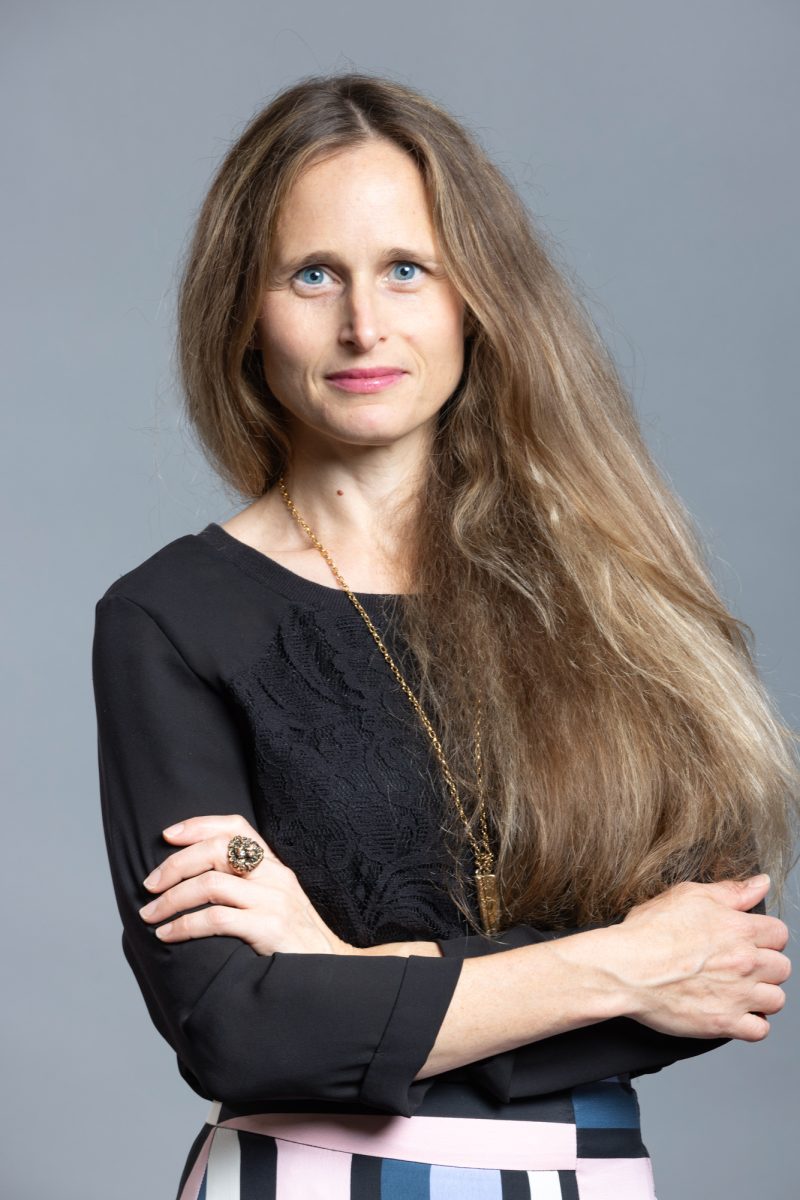
Adriana Leyba Macedo is a senior at BU from Venezuela. She is pursuing a Bachelor’s degree in Journalism and a minor in Business Administration & Management. She is a sports reporter for The Daily Free Press, sports columnist at WTBU Radio and a member of Kilachand Honors College.
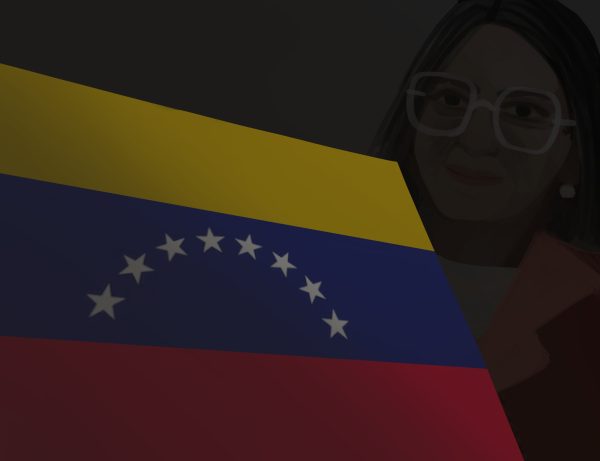
The morning of Jan. 3 was celebratory for many Venezuelans.
The U.S. military successfully captured Nicolas Maduro on Venezuelan soil. The operation did not have congressional authorization and followed months of U.S. military buildup in the region. The U.S. classified Maduro as a “narco-terrorist.”
Like many of my compatriots, I emigrated from Venezuela due to the unstable sociopolitical situation. According to The Office of the United Nations High Commissioner for Refugees, approximately one fourth of the population has fled the country since 2014 — making the Venezuelan crisis one of the biggest refugee crises in the world.
The end of Maduro’s authoritarian regime is a good thing. His government was known for human rights violations, undemocratic practices and a horrendous economy. That is why Venezuelan reception to the news of his capture was so positive: It felt like the beginning of the end.
Venezuelan people have largely understood President Donald Trump’s ulterior motives. For many, our oil seemed like a fair price to pay for “freedom.”
What many fail to acknowledge is that this so-called liberation is not only bought with our resources, but also poses the possibility of a government truly led by Venezuelans, for Venezuelans.
And as history has proven, the fall of a dictator matters little if a democratic, legal transition is not assured.
Some of the most well-known modern cases of military intervention in foreign nations are Iraq in 2003 and Libya in 2011.
In Venezuela’s case, the decline of its economy can be traced decades back. At the end of self-proclaimed socialist Hugo Chávez’s rule, the economy started to show significant cracks. From 2012 to 2014, GDP growth was stagnant, oil revenues declined, government debt increased and authoritarianism was on the rise.
After Chávez died, Maduro led the country into a depression and humanitarian crisis from 2014 onwards. While Chávez’s policies deepened Venezuela’s dependence on oil and limited long-term investment in the 2000s, the crisis worsened after global oil prices fell, highlighting its structural problems.
As if that was not enough, many attribute antidemocratic practices to Maduro’s regime. Most notably, during the July 2024 elections, the Maduro government widely was viewed as having stolen the victory from Edmundo González, who was backed by longtime opposition leader María Corina Machado.
In Iraq’s case, President George W. Bush’s choice to invade the country was widely unpopular due to the lack of government transparency regarding its motives. Iraq’s possible ownership of weapons of mass destruction — later disproven — was one of the main reasons touted by officials at the time.
The war ultimately overthrew Saddam Hussein, but in doing so created a security vacuum fueled by sectarian conflict, sparking a prolonged rebellion and costs that far surpassed original projections.
History repeated itself later in Libya. The intervention was justified as an effort to protect civilians from Libyan leader Muammar Gaddafi’s repressive rule and to defend democratic principles. Gaddafi’s overthrow left Libya divided among warring factions, triggering instability and a humanitarian crisis.
In a press conference, Trump stated that the U.S. would govern Venezuela until there is a “proper transition.” Even more concerning were his additional remarks, including his claim that Machado, the face of this liberation effort, does not have the “respect” to govern.
All this comes after she ran a campaign that praised him for supposedly supporting her and even pushed to credit him for her Nobel Peace Prize victory. She later gave him her Nobel Prize.
In his statements, Trump said U.S. oil companies were prepared to make major investments in the country, although the oil companies have not matched his enthusiasm. Nevertheless, America stands ready to take hold of the most valuable Venezuelan resource.
Longstanding corruption has prevented Venezuelans from benefiting from one of the world’s most valuable minerals. But just because it is not getting taken by the same entity does not mean we should feel comfortable with a foreign government claiming it now.
Maduro is gone, but former vice president Delcy Rodríguez has assumed the presidency. Rodríguez is a high-ranking official from Maduro’s own government, not an independent opposition figure.
How can this be considered a true regime change when so many of the same political actors remain in place?
My dream is to see a free Venezuela, governed by its people and for its people. Our liberation should not come at the expense of our constitution, our resources or our sovereignty.
The only legitimate path forward is a transparent transition in which Venezuelans elect their next president; assuming Trump does not dismiss President-elect Edmundo González the way he did Machado.
I am not asking Venezuelans to avoid celebrating our greatest emotional victory in nearly thirty years. But I am asking us to remember that liberation can only truly exist when we rule ourselves. And something tells me Uncle Sam plans to overstay his welcome.

