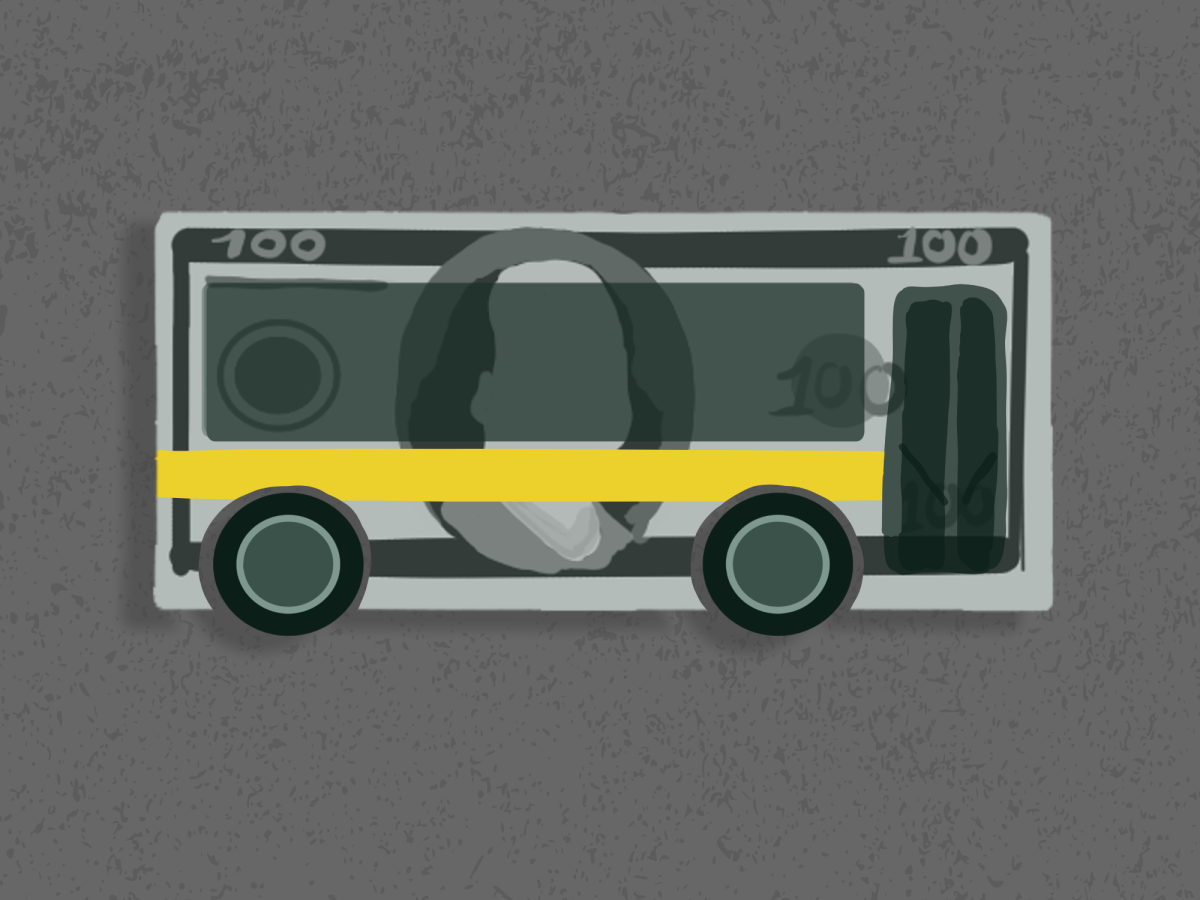






















































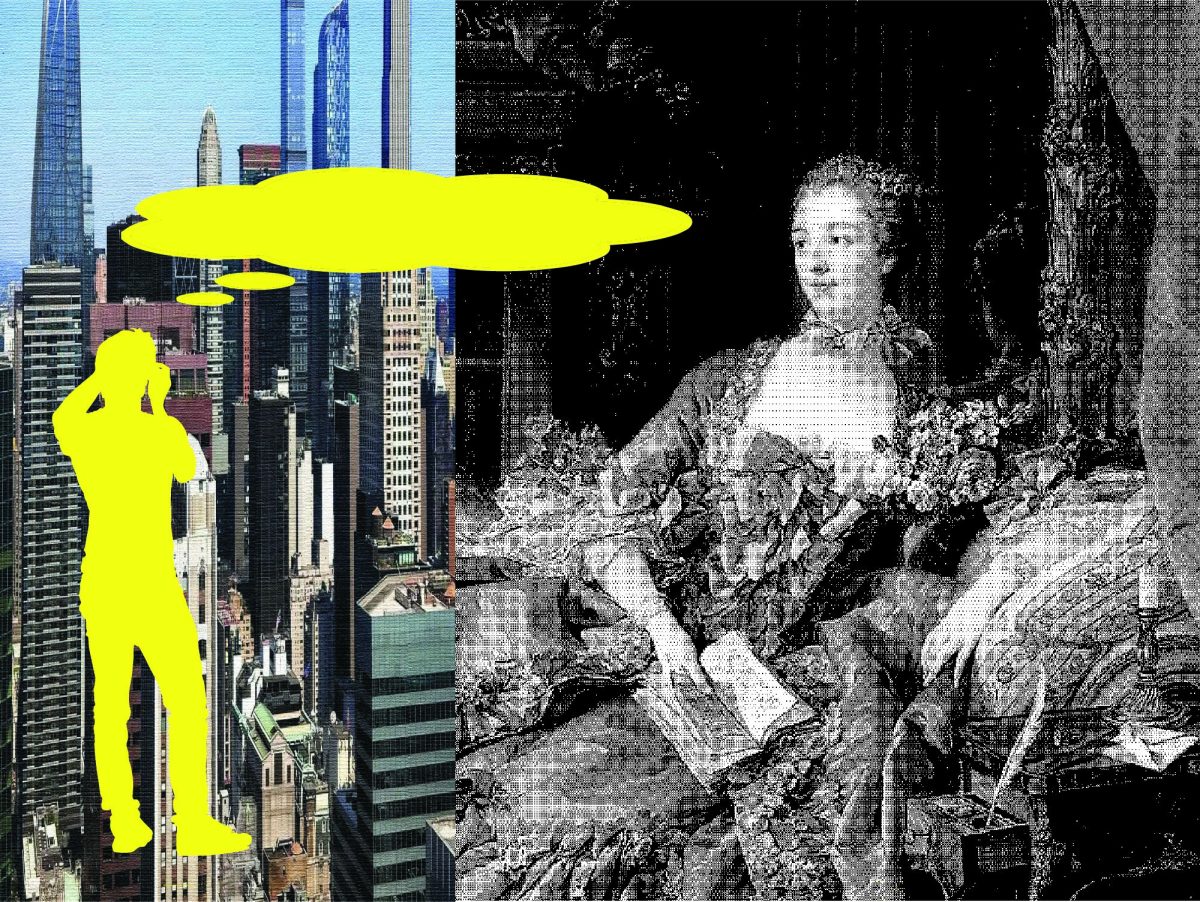






























One year ago, New York City introduced a congestion relief zone, better known as congestion pricing, for vehicles entering and exiting Manhattan below 60th Street. Cars driving through this zone are charged a flat fee of $9 during the day — a 40% cut from the $15 fee proposed in 2023, but a substantial sum nonetheless.
Since its launch, U.S. Transportation Secretary Sean Duffy and the rest of the Trump administration have consistently threatened the initiative, claimed it has decreased economic activity and paired these threats with freezing $18 billion of the City’s transport funding.

But instead, it’s made Manhattan faster, quieter, happier and healthier by practically every metric.
In a nutshell, New York City’s congestion pricing — already proven successful in cities like Stockholm and London — has forced those who drive through America’s most walkable city to subsidize their own private travel, rather than forcing other residents to foot the bill with lower air quality, more dangerous roads and lower-quality public transit.
If we want to lower the cost of living, then the cost of driving should be much higher.
In the year since the implementation of congestion relief, air pollution within the zone decreased by 22% and substantially lessened the presence of pollutive particulate matter in the surrounding boroughs and the city’s suburbs. This decrease is not just a result of a decrease in traffic — vehicles that still pass through the city spend less time idling in gridlock, decreasing the carbon pollution emitted from each individual vehicle that travels through Manhattan.
Less cars on the road also means less noise pollution, and officials reported a 45% reduction in complaints of excessive honking since the implementation of the policy. Less honking is a result of shorter commute times for New Yorkers who still rely on individual private vehicles, as the first evaluation by the Metropolitan Transportation Authority noted crossing times have been reduced by 23% overall, and by up to 51% in congestion-dense points of entry like the Holland Tunnel.
In perhaps the most staggering metric to come from the congestion relief zone, New York City reported its lowest pedestrian traffic deaths on record, but overall pedestrian activity still increased by 4%, as did economic activity via foot traffic in the zone — the supposed pitfall of the new policy, according to the Trump administration.
But where has all this money generated from the new policy been redirected?
The MTA reported over $550 million in net revenue from just the first year, generated from both congestion relief zone tolls and increased subway ticket purchases, allowing them to move forward with expanding subway and electric bus lines, widespread accessibility and modern signal systems.
But increasing tolls through dense urban areas isn’t the only way to fight the saturation of car-dependent infrastructure. Eliminating free parking — an eternal struggle for drivers — is another crucial means of forcing drivers to subsidize their own space.
Minneapolis, Seattle, San Francisco, Austin and Portland have all made steps to cap parking and increase fees, with San Francisco Mayor Daniel Lurie expressing an openness to eliminate free parking from traffic-dense areas of the city entirely.
When parking is free, every taxpayer in the city is forced to subsidize the public space, which is only used to house private property. While these new initiatives increase the individual upfront cost for drivers, they increase traffic flow as cars spend less time in now-expensive spaces, decreasing the financial burden on non-drivers, helping cities balance the budget and preventing them from cutting essential public services.
While these resolutions disincentivize driving and redirect funds towards increased urban development, they are incremental solutions that only benefit cities with already robust public transit networks. On a wider scale, car dependent infrastructure has almost completely saturated American urban and suburban life, but the integration of these seamless solutions into our country’s most densely populated areas can still greatly increase collective wellbeing.