


























































































The internet, and by extension, digitalization, has fundamentally transformed the terrorist landscape. We have witnessed the rise of Islamic State’s “cyber jihads,” seen mass far-right propaganda dissemination on the internet and observed the migration of radicalization from leaflets to screens.
When most people think of online extremism, they tend to picture the dark web: shadowy forums, encrypted channels and anonymous actors. Rarely would you have guessed that some of the main platforms perpetuating extremist ideology are the same ones you use for recipes and home decor.

Extremist proliferation extends beyond just Pinterest. Popular video games and platforms such as Roblox, Tumblr and Minecraft — online spaces that have long been considered safe or trivial — are becoming increasingly implicated.
On Roblox alone, 24,522 child exploitation cases were reported in 2024. In 2019, that number was a mere 675. As of March 2026, a reported 132 child exploitation cases have been filed against the popular gaming platform.
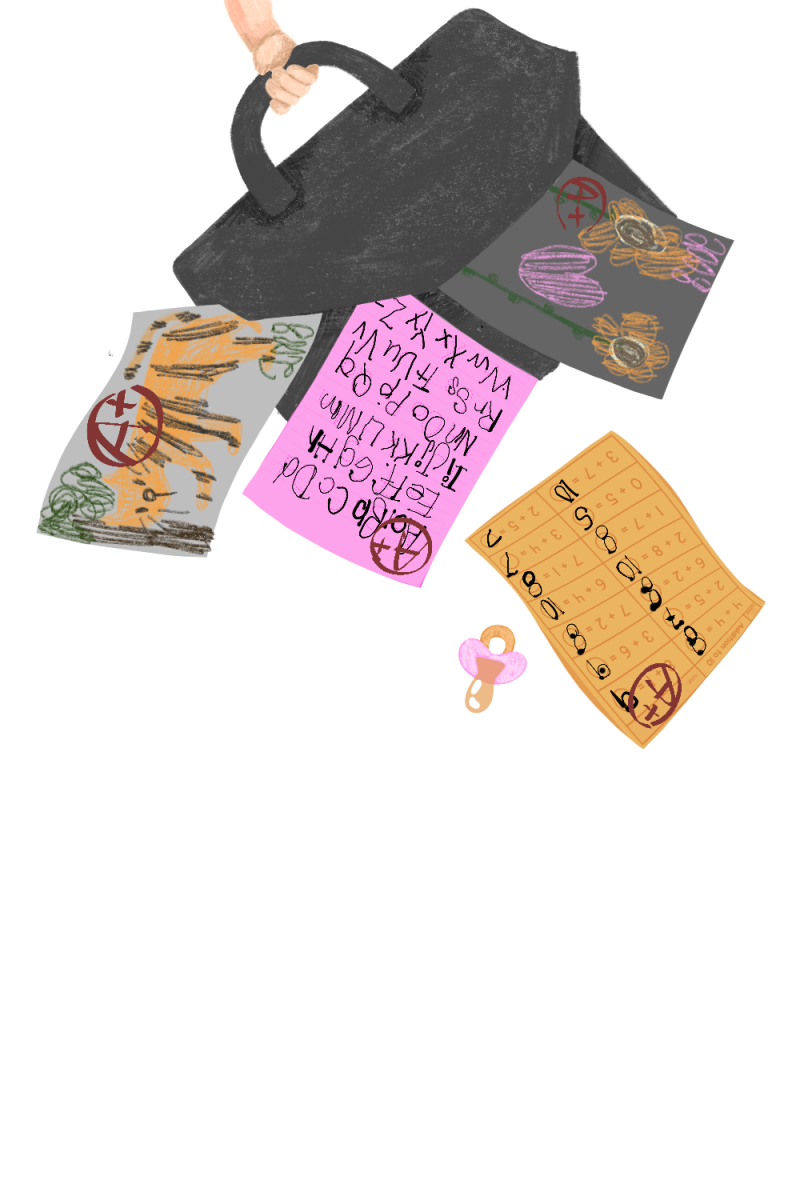
These metaverses are embedded in the daily lives of children and teenagers — and that is precisely why bad actors are targeting them. A 2025 report by the United Nations Counter Terrorism Committee showed that children now account for 42% of terrorism-related investigations across Europe and North America, a threefold rise since 2021. In Europe, 20-30% of counterterrorism workloads now involve minors as young as 12 and 13-years-old.
Now you might be thinking: Is Archive of Our Own, a fandom forum, next? And in asking that, you’re actually identifying a key pattern extremists recognized decades ago. Platforms with robust creative communities, minimal moderation and youth-populated user bases are viewed as prime recruitment and dissemination territory.
For example, Minecraft’s open architecture allows players to build virtually anything. Extremist actors have constructed propaganda-ridden virtual environments, recreated Uyghur detainment camps and built “shooter training” simulators of mass attack sites.
Some maps are more subtle, with one world containing buildings reminiscent of Nazi architecture, and another containing in-game books quoting “The Turner Diaries,” otherwise known as the white supremacist Bible.
As researchers at the Global Network on Extremism and Technology have noted, extremist world-building mirrors real-life radicalization strategies, normalizing dangerous ideologies through repetition, humor and aesthetic appeal.
“It’s a way for them to connect with like-minded individuals, to socialize and ultimately form firmer social bonds, which can be really important in terms of advancing and furthering extremist movements globally,” one head of research at the Institute for Strategic Dialogue stated.
Pinterest, with its 600 million monthly users, presents a slightly different problem. Its algorithm is designed to connect users with content matching their interests, and while this works amazingly for sourdough recipes, it works just as efficiently for pro-Islamic State propaganda. Researchers monitoring the platform for a single day identified 207 pins containing explicit Islamic State institutional media. One went so far as to state that “Pinterest is, to a certain degree, a safe haven platform for their content.”
Supporters evade detection via private boards, Arabic-language keywords, self-censored imagery and by scattering content between innocuous posts. Ireland’s media regulator took enforcement action against Pinterest in Oct. 2025, and yet, as researchers presently confirmed, IS content has continued to persist on the site.
Tumblr’s history is perhaps the most documented. IS “fangirls” used the platform, alongside Twitter, as a primary propaganda channel. Reportedly, they blended IS content, war imagery and Western pop culture into aesthetics deliberately curated for young audiences. The True Crime Community, a recent extremist group linked to at least 15 school shootings since early 2024, also gathered on Tumblr to idealize mass killers.
When Tumblr finally did act, removing nearly 4.47 million reblogged posts from hate accounts, the communities migrated to TikTok, Discord and Telegram. In some cases, children are radicalized in what researchers call a “funnel strategy,” where extremists integrate them into more encrypted, less moderated channels.
There’s an argument to be made that what’s done online stays online. Terrorism researchers and practitioners alike have warned against this intuitive narrative. The Com, a decentralized online extremist network that encourages real violence, has been responsible for 5,040 people being harmed, victimized or killed between 2020 and 2025.
Online harm can also incur offline effects: 764, an extremist sextortion network currently under active federal investigation, has used social media to share child sexual abuse material, coerce minors into self-mutilation, encourage animal abuse and coax children into suicide.
We all have a responsibility to our children in the digital age. Parents, educators and legislators cannot afford to stay ignorant about these adaptive harms, and tech giants cannot continue to spout the tired defense of user privacy over responsible governance.
The internet did not create extremism, but it has both exacerbated it and made available an unlimited supply of the most vulnerable recruits imaginable. These platforms were made by us, and we must learn to proactively safeguard them in turn. The only thing that has ever been optional is the will to do so.


