













































































In Arabic, “Mashallah” is the highest form of compliment. It translates to “God has willed it,” and is typically used when commenting on one’s beauty or good fortune in life. In the U.S., it’s common to hear the phrase “I’m jealous” as a term of endearment when admiring another person’s prosperity.
Both expressions are meant to be complimentary, but logically, this Western saying is contradictory. Why would jealousy be a word someone would want to hear when being praised?
Envy is perhaps the least welcome of our emotions, yet for some reason, the West does a great job maximizing this feeling in all aspects of life. Conversely, “Mashallah” detaches the compliment from the observer and instead shifts focus from one person’s view to the benevolence of a higher power.

Many other cultures — not Western ones — have similar practices.
The “Nazar Battu,” a traditional Himalayan amulet, takes this notion of protection from other’s envy a step further. Made from lime and chili peppers, it is hung at the entrance of a home to shield against the evil eye. In response to this amulet, along with other cultural symbols for social protection, medical researcher Vibhusha Koli wrote in an ophthalmology journal that “malicious sight can’t be ignored.”
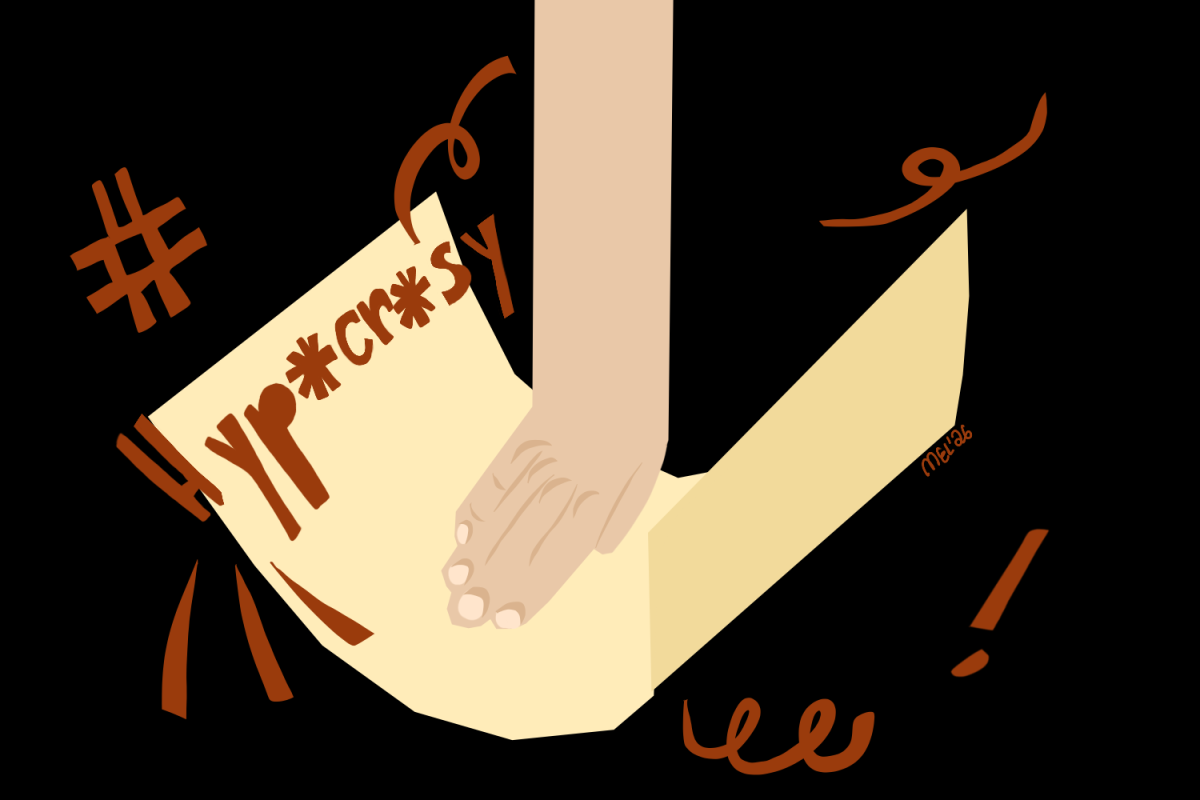
So what does this mean? Envy is a powerful feeling that manifests in actions or behaviors deemed harmful to others.
You shouldn’t want to be envied. Envy is the highway to hatred — which has been a primal fear for millennia. To be hated is to be outcasted, left alone. Humans need each other to survive.
American culture does a disservice to envy. Here, our values of individualism and exceptionalism create the perfect storm for this often malicious emotion to brew. Through constant competition, success becomes relative to those in and out of our orbit, with social media giving us an insight into the achievements of others.
President Donald Trump purchased his Florida resort Mar-a-Lago in 1985, soon transformed it into an ostentatious spectacle.
He decorated the space with gaudy carpet and gold trim on every crevice — a tacky combination of royal French and English design with high arches and red cushioned thrones.
One could argue “so what? It’s his money and he can do what he wants with it.” And ironically, I agree with that statement. I have no say in what the wealthy do with their time or money.
Nevertheless, this is an obvious display of Trump flaunting his wealth. No humble person transforms the former “Winter White House” into a private club and knock-off Palace of Versailles.
Trump, and many others, fear no evil eye. But “old money” society however, knows not to flaunt.
The romanticization of cashmere sweaters, neutral tones and minimalism captured social media over the past few years. But this trend is the farthest thing from how the upper echelons of society behave.
The Row, a luxury clothing store, is a prime example of the fashion of wealthy subtlety. Light neutrals, tailored jeans and cable knit, each the price of a month’s worth of rent for the average Joe.
So why do people aspire to flaunt this aesthetic?
Perhaps old money society knows the dangers of envy. They do not wear evil eye charms or make “Nazar Battu,” but they know how to engage with the rest of the world considering status — quietly.
The fact of the matter remains. Envy is a widely misunderstood emotion, and it’s been embedded in American culture.
To be envied is a marker of success. To be envious means to have failed in the rat race of the “American dream.” Language matters, and the American people could do better with phrases that don’t incite jealousy.
Next time you ruminate on someone else’s stroke of good fortune, perhaps we’d do good by taking a page from Arabic’s book, and say, “you have willed it.” In other words — it’s you who’s done a good job.