









































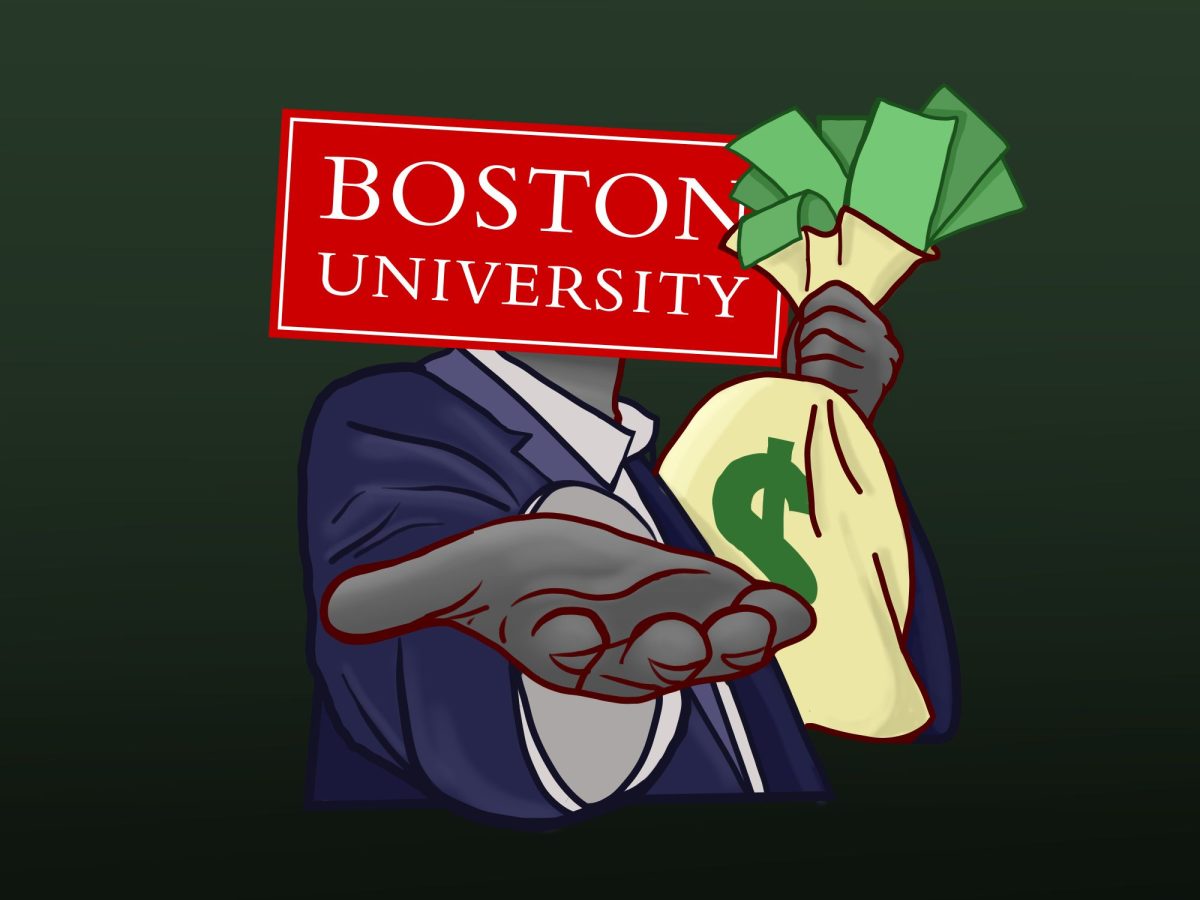

























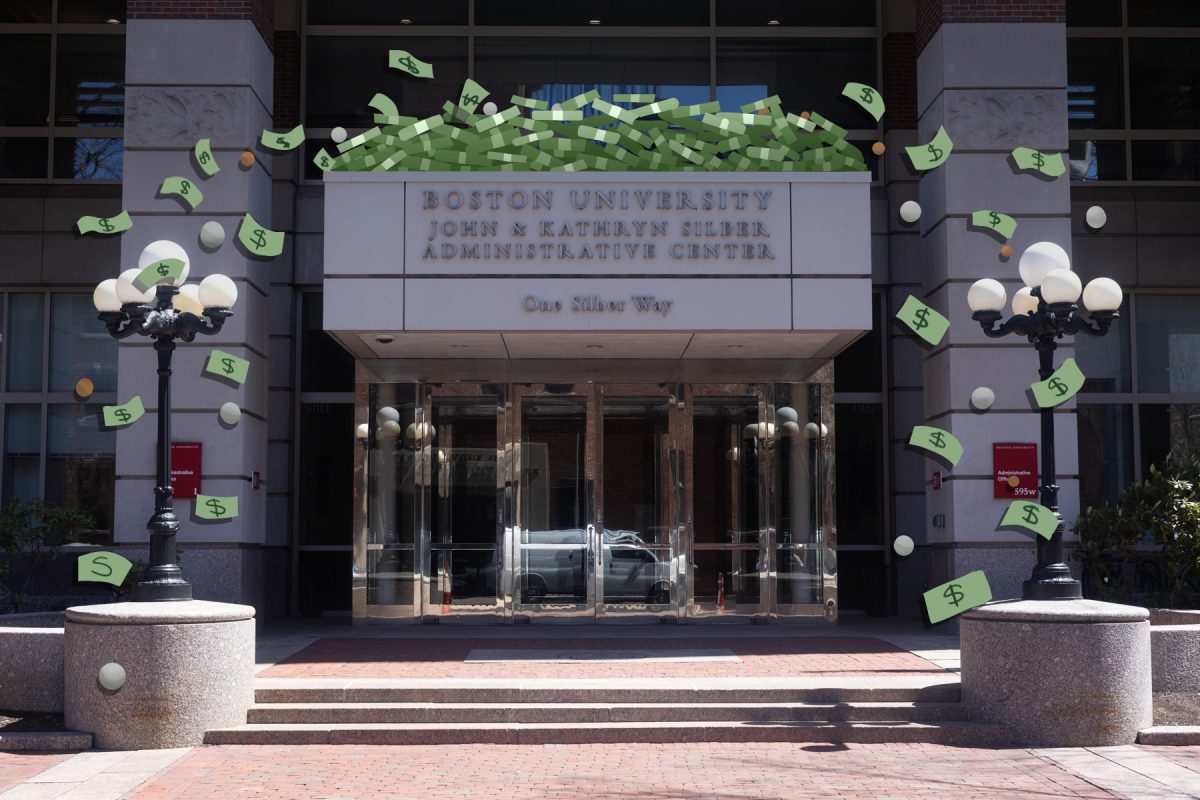


Every year, Boston University’s graduating seniors feel the pressure of searching for a job. This year though, they may face harder challenges than their predecessors, especially if they’re looking locally, according to federal data.
Federal data from Feb. 2026 has shown a steady decline of private sector jobs in Mass., especially in high skill sectors like technical and scientific fields.
The state’s private sector has now lost 24,000 jobs since the pandemic, making it one of four states that have seen a decline.
Even graduates willing to relocate may face difficulties.
According to the Federal Reserve Bank of New York, unemployment rates for college graduates ages 22 to 27 hit 5.6% in Dec. 2025, up from 4.1% in Dec. 2022.
Tariff policies, federal research cuts, integration of AI and a slowing labor market have all contributed to this shift.
Steve Koppi, assistant provost for Career Education at BU’s Center for Career Development, said the private sector is currently facing a lot of uncertainty in trade and regulation, as well as higher borrowing costs that make growth harder.
He noted that during and after the pandemic, many companies — especially some in tech — overhired and now have to correct.
“Student interests have not dramatically changed. I think it’s the marketplace that’s changed,” Koppi said.
Koppi added that the economy is currently in a “jobless recovery.” While it is growing, current “headwinds employers are facing” mean the number of jobs produced as a result are lower than they have been in the past.
Boston, for instance, has been a thriving center for the life sciences, he said. But students hoping to get hired in that industry have to deal with the fact that biotech companies do not hire at the same rates as before.
To deal with these changes, Koppi said students have to be both flexible and persistent with their job search strategies.
Students should think of their majors as a one-to-many career relationship instead of one-to-one, he said. That way, degrees become more like stepping stones to help students reach the position they really want.
It may also help if students looked for smaller companies and other regions in their job search, he noted.

Junior Adina Shabdar said her peers who secured job offers would find them in other areas like New York, and not Boston.
As an international student from Kazakhstan, she said job opportunities in the U.S. are more limited. She expanded her search to Kazakhstan, where she has now done two internships.
“It’s definitely easier to find [internships] there because of how I’m educated in the United States,” she said. “For them, it’s a bonus, and they want you to stay in one of their companies.”
She also said it is easier to secure job offers by building connections and networking, rather than just applying to postings.
Senior Nadia Mason similarly said networking has been “vital” in navigating the current job market.
In the age of AI, she said showing your resume to employers is no longer enough.
“[Employers will] read your resume and look for these keywords … if you don’t hit that, you’re not even taken into consideration,” Mason said. “I think it’s so incredibly unfair, and unfortunately it is the reality that we’re slowly making our way into.”
Networking is Koppi’s “number one” strategy for the job search, he said, because of how it is flexible, open-ended and “requires some discovery and some exploration.”
“[You’re able] to learn about what’s happening, to learn about where the opportunities are, to get advice from people who have gone ahead of you,” he said.
Koppi compared the job search process to the Boston Marathon, saying runners cannot control the environment in which they run.
“What you can control are the things that each of us can do,” he said. “I can develop a good strategy. I can network. I can seek feedback and help from others. I can do the things that I can do to be successful.”
The job market is not all bad news, Koppi said. According to the CCD’s “first destination survey” — a survey of where Boston University’s graduating class is headed — 95% of the class of 2025 is either employed, volunteering, in graduate school or serving in the military.
“It’s not just about whatever the bad news might be,” he said. “It’s all about sustained effort over time. Quality, not quantity of applications.”