





























































This article is the first of a two-part series.
The need for radical systemic change has never been more apparent than in the current political and social situation we find ourselves in. The elephant that once entered the room as a mere calf has gorged itself on the inaction of citizens and the greed of the elite to the point where we are pressed against the walls, suffocating.

In light of this desperation, we are often quick to counter our monumental oppression with the most ambitious of solutions. One assumes the problems that exist at the highest echelons of our collective social and political structure have to be remedied by equally grand political solutions.
And yet, it is this very perspective that often culls all nuance and creativity from our discussions about what needs to be done. While I am certain a remedial course out of this gravely oppressive situation exists, I am more skeptical than ever that the answer lies in any of the proposals for change that society has resorted to in the past.
In the first article of this two-part series, I will critique two of the most prevalent solutions for radical political reform and, from the ashes of their deconstruction, aim to put something together that helps chart a course towards something new.
Liberal democratic resistance is the first of these flawed designs for renovation.
The nature of the democratic battlefield we find ourselves fighting on has proliferated the idea that the purest form of resistance can only come through the democratic process. By no means is this a trend specific to our present times — for generations, democracy has been the instruction manual that we inevitably consult when the machine of governance malfunctions.
Further, given that many present injustices are the particular result of hostile legislation and policies, it’s intuitive to think that voting out an oppressive framework with more effective leadership is the only viable way forward. Yet, an immediate obstacle on this path is that leadership is often ideologically sticky and ultimately determined by the will of elites — the very group that we are ultimately fighting against.
The most pointed piece of evidence comes from the fact that our predicament is the direct result of concentrated power itself — rather than any one of its wielders.
Although we can certainly produce a long list of the individual evils in this world, an absolute recourse can only ever be found by dismantling the systems that enable them in the first place. Liberal democracy has consistently proven itself unable to dent the system, given that it essentially is the system. A collaborative research paper authored by Martin Gilens and Benjamin I. Page reveals as much.
Furthermore, in light of the eventual betrayal that even the most seemingly-trustworthy candidates are capable of exacting on their constituents, we must turn away from any solution that allows for such a fundamental disconnect of beliefs between those in seats of action and the people that face the consequences.
Let us now turn to a diametrically opposite solution which orients itself against all that liberal democracy stands for: armed revolution. Entering the ring as a heavy hitter given its formidable historical resume and ability to topple institutions, armed revolution can almost be considered a natural phase in the cycle of tyranny and peace.
It presents itself as the self-evident answer whenever the democratic process fails to reinstate the people’s authority in the systems that rule them — after all, unlike legislative power, violence and physical power are universal and not solely possessed by the state.
And who doesn’t love a good story? The tale of revolution is one that beguiles everyone. Often a chronicle of underdogs and comrades, one of tall feats of strategic and choreographic excellence and one where you can actually see an end to the present reality that you are unwillingly subscribed to.
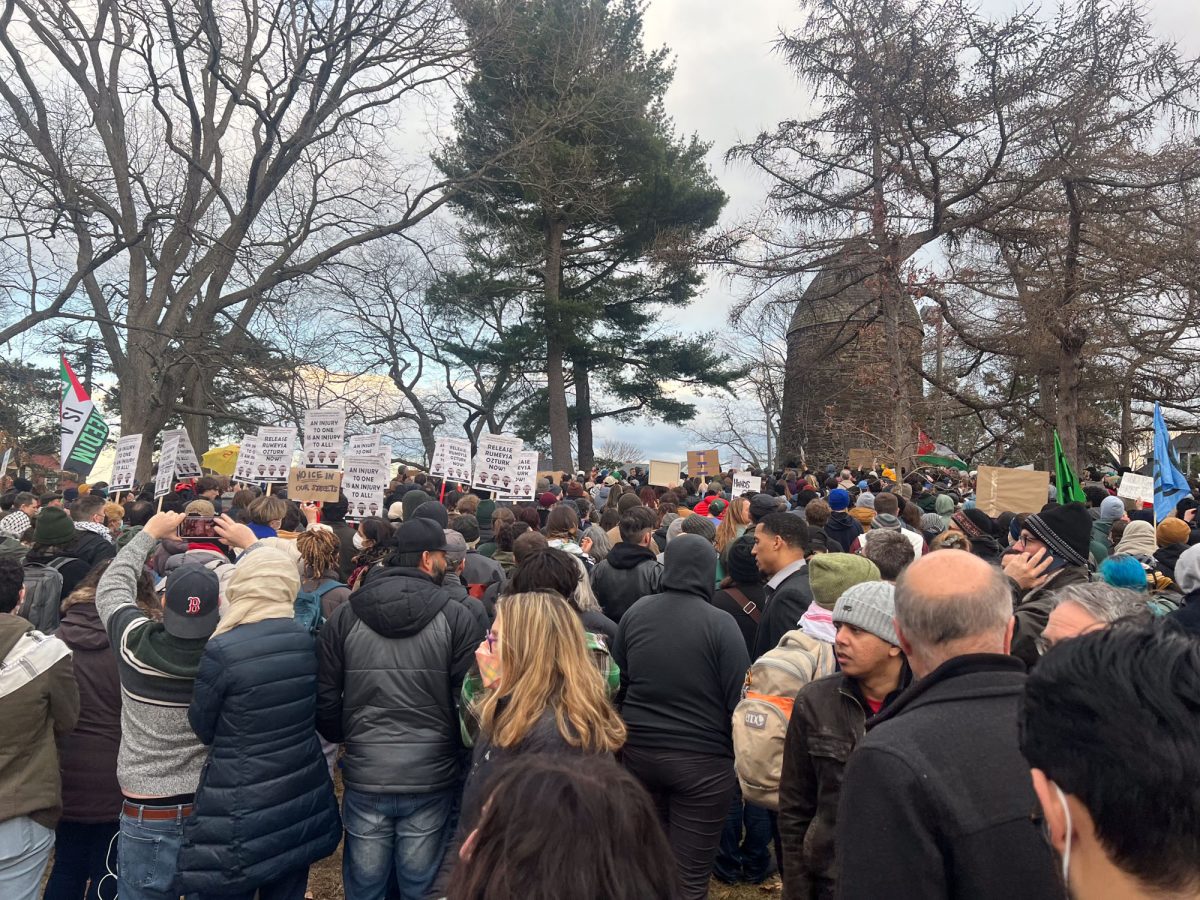
The evidence manifests most explicitly in the recent case of the U.S. Immigration and Customs Enforcement’s withdrawal from Minnesota, which occurred not because of the shootings of two innocent civilians, but only after the growing violence and protests that occurred in response to these murders.
Yet, the kind of sustained, long-term deconstruction that current injustices most desperately require is rarely found in the short-term change of habit that an overnight overthrow promises. And given that the foundational aspects of our daily lives — housing, income, healthcare and, most of all, social interaction — are predicated upon maintaining a clean record, even the most radical modern revolutionaries are hesitant to pick up the gun.
A purely violent revolution is that tedious cat that no given individual is, generally, willing to bell.