





































































































Amidst the war in Iran, cartel violence in Mexico and numerous other global crises, one story unrelated to geopolitics received immense coverage last week: The investigative case of James “Jimmy” Gracey, a 20-year-old junior at the University of Alabama who went missing in Barcelona while visiting friends over spring break.
On Tuesday, March 17, Gracey was last seen around 3 a.m. at Shôko, a popular nightclub along the coastal Port Olímpic strip, before parting ways with his friends. When Gracey’s friends awoke to find he had never returned to their rental, they immediately contacted the police.

Video surveillance reportedly recorded Gracey falling into the Mediterranean Sea.
Thus, an investigative case began. The news spread rapidly, garnering international media attention as missing person reports circulated widely. It wasn’t long before Gracey became common knowledge, the subject of conversations asking, “Did you hear about the kid who went missing?”
The first piece of evidence presented itself the following Thursday morning, when police retrieved Gracey’s phone and subsequently found his wallet floating in the waters of Port Olímpica. Later that evening, Gracey’s body was found underwater off Somorrostro Beach, near the club where he was last seen.
Although Gracey’s cause of death was still under investigation and awaiting an autopsy, a wave of conspiracy theories and public opinion quickly transpired.
Questions arose: Why did Gracey and his friends separate? Was Gracey intoxicated or mugged? How did he end up in the ocean? Speculation about foul play inevitably followed, and soon enough, a missing person case transitioned into a mystery.
Ultimately, that speculation and public reaction propelled this tragic story into the spotlight. What truly garnered attention was not just who Gracey was, but how his story evolved.
Namely, the case contains key initial ingredients that naturally spiked interest: A conventionally attractive honors student from a good family goes missing in a foreign country.
While a missing white woman syndrome story may have initially attracted an audience, it wasn’t what made them stay. Gracey’s case is a puzzle with missing pieces. Each new detail, or lack thereof, only deepened the intrigue.
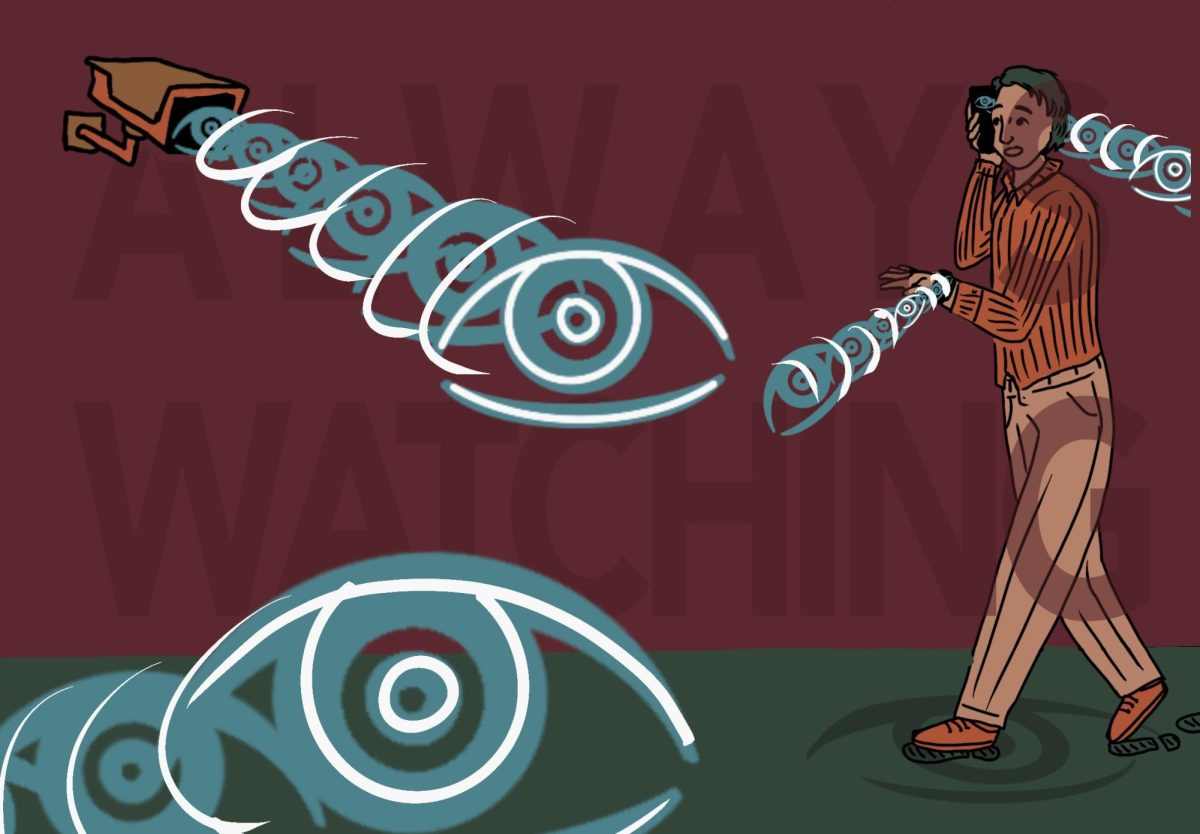
In today’s digital age, cases like these are dissected in real time.
Platforms like Reddit have true crime mutli-part threads, where users post theories that spread faster than facts. The more Gracey’s story was questioned and shared, the more it grew.
What kept people engaged were the unanswered questions and the possibility that there was more to the story. And when people form preconceived notions, they’ll stop at nothing to be right.
The public wasn’t just following the story — they were actively trying to solve it.
In doing so, they kept Gracey’s case alive, amplifying its reach far beyond what a typical missing person case might receive. Ultimately, the public and media alike forcefully pushed the narrative towards a crime story, simultaneously bastardizing the tragedy and garnering more and more attention.
The wait for updates only heightened the suspense and kept people hooked. But in the end, to much public dismay, there was no murderer.
On March 20, Spanish authorities ruled Gracey’s cause of death as an accidental drowning after falling into the water, with no criminal charges pursued.
But even with that conclusion, reactions remained unsatisfied.
The relatively swift statements from Spanish authorities, issued just a day later, raised questions about the thoroughness of the investigation. Even before the autopsy, an anonymous regional police force said “everything points to an accidental death.”
Forensic scientist Joseph Scott Morgan argued that authorities didn’t want to scare sightseers, and therefore “jumped to the conclusion of accidental death, given that Barcelona is a major tourist hub.”
Morgan also pointed out that reports of Gracey sustaining multiple bruises over several hours were “scientifically… implausible,” noting that while a body can sustain minor injuries from contact with rocks after death, true bruising requires circulation and would not occur post-mortem.
In my opinion, the biggest plot hole lies in the discovery of Gracey’s phone. Police reportedly retrieved the phone from an individual arrested in an unrelated crime that same night, who claims he found the device on the beach. Whether or not that account is true, it likely suggests that some sort of foul play was involved.
How was Gracey’s phone found on land while his wallet was in the ocean? Despite this misalignment, the individual was not named a suspect, and police did not investigate further.
The cause of death may have closed the case, but not the curiosity. Some fishy things definitely occurred in the events prior to Gracey’s death. However, it is this dissatisfaction that has kept, and will continue to keep, Gracey’s case alive.
The most infamous investigative cases, such as JonBenét Ramsey, are unsolved, and that mystery is precisely what sustains them.
So while many still have doubts about what really happened that night, the truth is that despite the evidence, the public may never be satisfied with the full story. And perhaps that discontent, more than anything else, is what ensures Gracey won’t be forgotten.


