














































On a typical school night, hours deep into a study session at Mugar, I’ll pick up my phone to check a few messages and somehow find my way onto TikTok or Instagram reels. Before I know it, an hour has passed and I have fallen down the infinite rabbit hole known as the internet.
By the time I finally drag myself away to focus on my homework, my mind feels scattered. It takes several minutes just to reorient myself, to piece my attention back together enough to begin again. We’ve all been there, done that, and walking around the library, it feels like so many people are caught in the same loop — phone in hand, laptops open with unfinished assignments sitting there.

This isn’t just a personal or discipline failure. It’s a greater societal trend.
Our attention spans have declined from 150 seconds to just 47 seconds since 2004. This can mainly be attributed to the media landscape increasingly dominated by short-form, instant gratification content. Since TikTok launched in the United States in 2018 and began its global expansion, other platforms have quickly followed to try to replicate its success.
Instagram launched its Reels add-on in August 2020, and Youtube came out with Shorts in July 2021. Even LinkedIn has joined the trend with the video tab at the bottom dock of the app. Platforms that once differentiated themselves through purpose and format now look eerily similar, all chasing the same formula: quick hits, fast cuts and immediate dopamine. Everything is becoming TikTok.
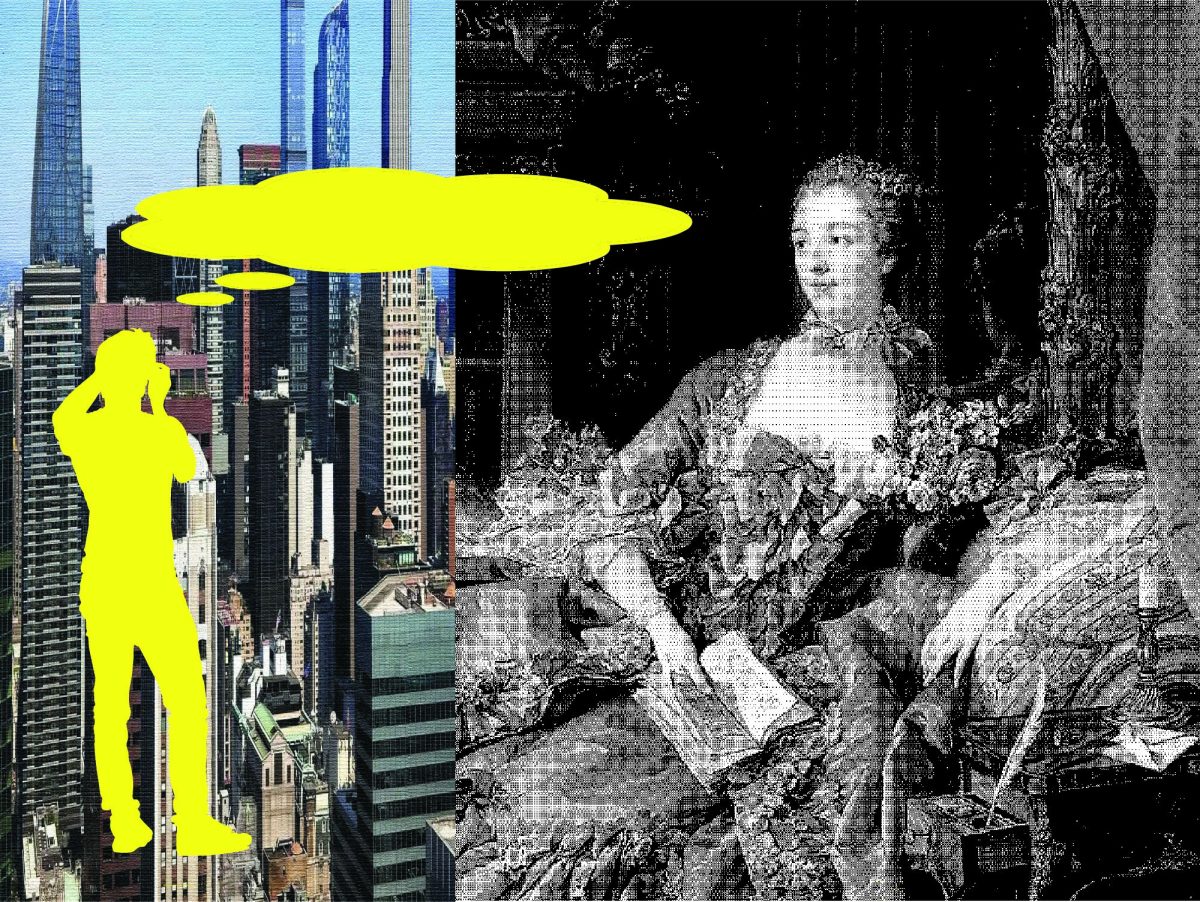
What’s especially concerning is in this process of instant gratification, we seem to be losing something else even more important: our creativity.
Scroll through any platform today, and you’ll notice everything feels the same. The same pacing. The same hooks. The same recycled viral audio. The same trends repackaged endlessly.
Instagram was once centered on photography and creativity with curated feeds. YouTube used to be the hub for long-form storytelling content, vlogs and creative mini movies. LinkedIn was a professional networking app. With the same features and content, their differences seem to collapse. Nowadays, it feels like they’re all optimized for your attention, even if it means holding on for just a second longer.
The rise of short form media doesn’t just change what we watch, it changes how we think.
Short-form videos work by engaging the brain with rapid, repeated bursts of dopamine, the neurotransmitter linked to reward and motivation. When the brain is constantly used to receiving these small rewards, bad habits start to form, and each swipe of the thumb is associated with instant gratification, keeping you hooked for hours.
And when that isn’t received, there can be dopamine withdrawals, similar to how any drug addiction functions, which is exactly why it’s so dangerous.
At first glance, the short-form community can seem incredibly creative. With the freedom to make any type of content, anyone can post creative transitions, trending viral dances and makeup showcases. But if you look closer, I argue that much of it is imitation — not real creativity.
True creativity, original ideas, unique storytelling and meaningful expression are becoming increasingly buried under layers of algorithm-friendly content. Creators are incentivized not to innovate, but to replicate what already works.
Creativity requires time, patience and the ability to sit with an inspiration or idea for a long time. When our attention is constantly pulled in a dozen directions, that process begins to erode. We stop creating and default to consuming.
And that’s what worries me the most. Creativity shouldn’t just be a hobby — for us humans, it’s a defining trait of being human. The reason we’re not still living in the wild is credited to those first humans who discovered how to harness fire and weave a basket so the rest can be history.
Creativity is what allows us to tell stories, build cultures and challenge and exchange ideas. Without it, we don’t just lose art — we lose depth, originality and sense of meaning. In a world where every platform is optimized for speed and instant gratification, the space for real creativity is shrinking. And if we’re not careful, we risk becoming not just less informed and connected, but more passive, more uniform and most of all, less human.


