


















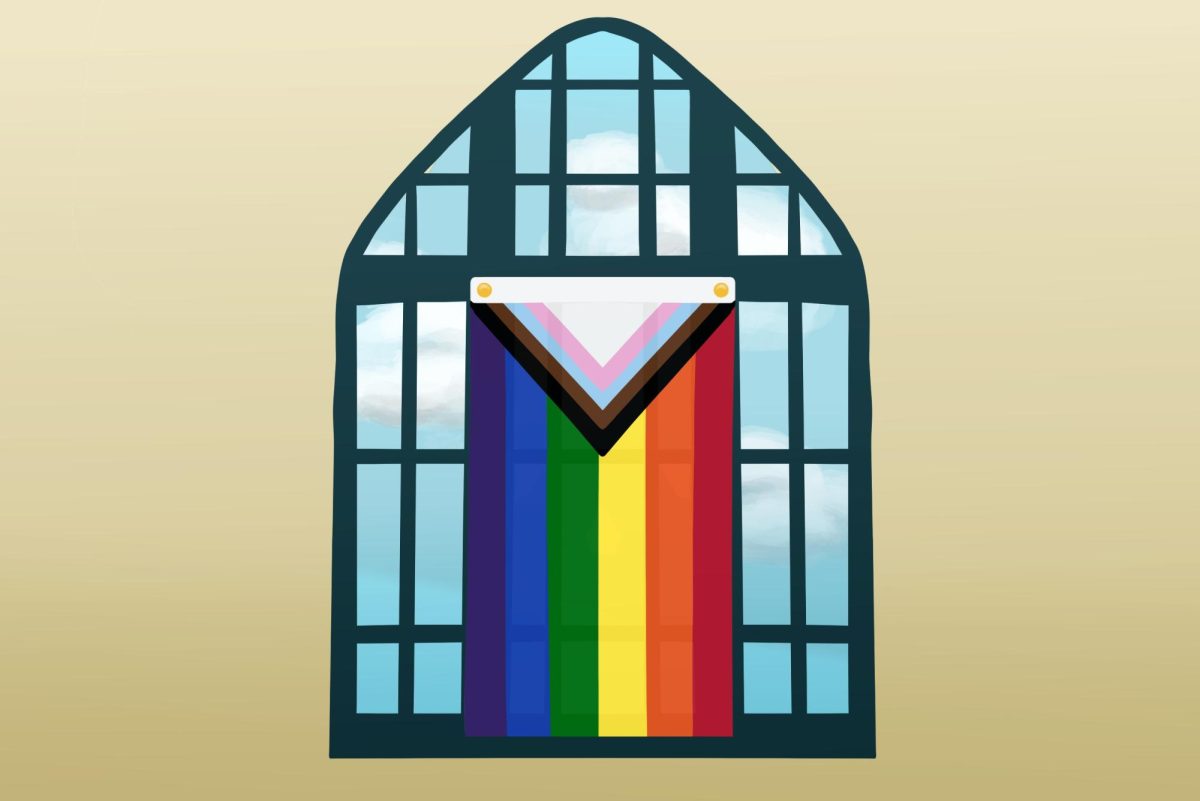















BU on Broadway took to the stage for a one-night performance of “The Rocky Horror Picture Show,” with proceeds benefiting the Massachusetts Transgender Political Coalition.
BUOB, a musical theatre organization open to all Boston University students, produces performances and hosts events for the Greater Boston area.
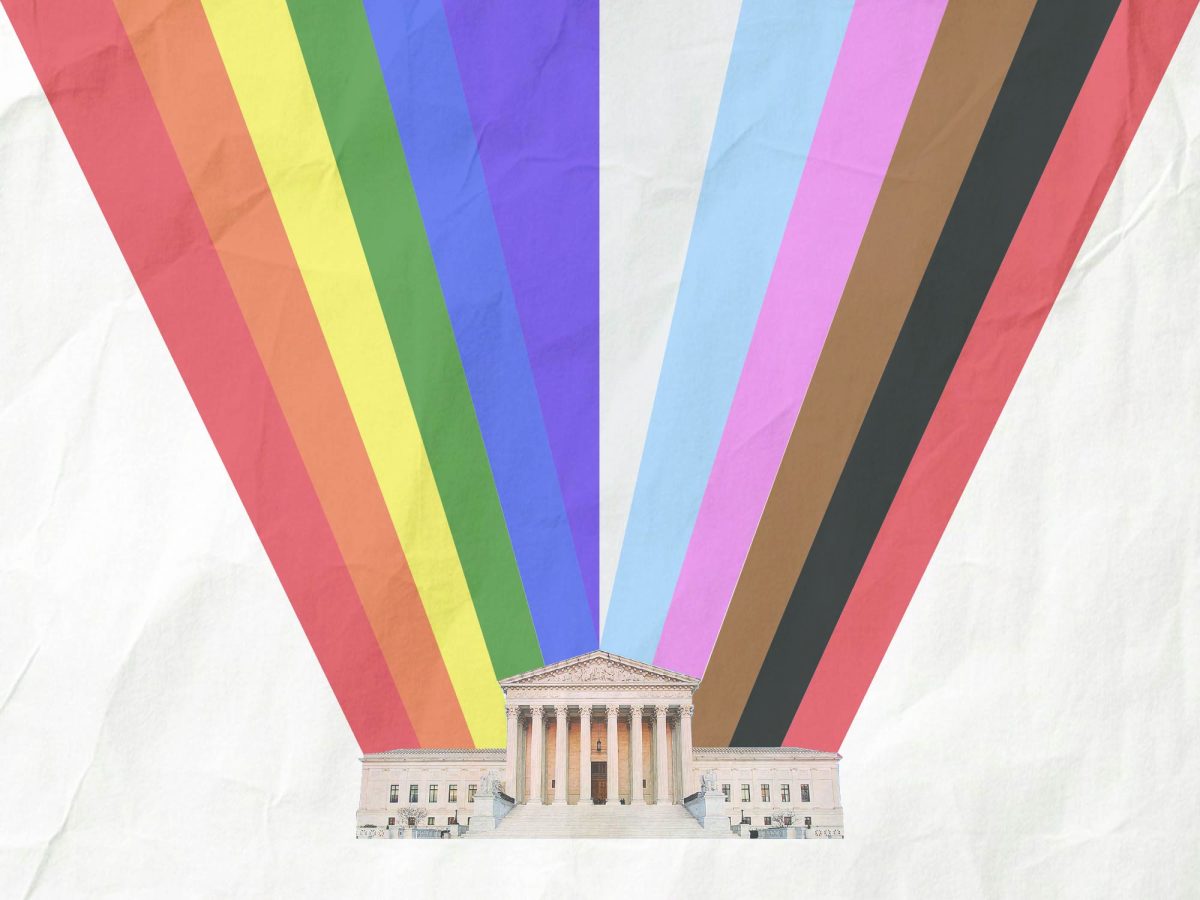
Their production of “The Rocky Horror Picture Show,” performed at the George Sherman Union Oct. 25, encouraged audience members to additionally donate to MTPC, a local organization championing the wellbeing of transgender and nonbinary community members by providing gender-affirming care to local youth.
The BUOB executive board matched every donation contributed from attendees.
“So much of ‘Rocky Horror’ is about queer people, and I feel like so much of it is based around queer culture,” said BU freshman and ensemble member Halle Ewing. “Raising money for the [MTPC] and supporting queer people was our only option. It was never going to be anything else.”
The performance was a shadowcast, a form of theatre in which actors perform lines and songs alongside the movie version of said production. BUOB actors took to the stage in costumes and makeup parallel to their characters from the 1975 cult classic “The Rocky Horror Picture Show.”
The musical comedy-horror follows newlywed couple, Brad and Janet, who, after being stranded with a flat tire, are taken in by a gender-fluid scientist named Dr. Frank-N-Furter. Throughout their stay, the couple is exposed to a cast of characters across the spectrums of gender and sexuality.
BU freshman Grace Ryan, who attended the performance, said “queer people are physically isolated” — until Brad and Janet glimpsed into their world.
“You see this really strict divide between this vibrant, sexual, free culture and this restrictive heteronormative perspective,” Ryan said.
With themes of community and inclusion, “The Rocky Horror Picture Show” often encourages a dialogue between cast and audience by means of “callouts,” such as shouting “asshole” and “slut” when Brad and Janet appear on screen.
In the audience, Ryan said this interaction was emphasized by the addition of the real, local cause and the amount of queer support from the crowd.
“It’s not even a stretch to say that the divide between the theatre and the audience could parallel the divide between mainstream culture and free expression,” she said. “That wall is broken by the callouts, by the audience engagement, and that is something that ‘Rocky Horror’ cultivates.”
The supportive, engaging environment didn’t come from the audience alone.
From the audition process to show night, Ewing said the passion and desire to put on the show was evident due to its personal significance for many cast members.
“Just knowing that there are members of the [LGBTQ+] community in our cast that we were supporting through our performance was such a bonding experience for everyone,” Ewing said.
Ewing added the night was a reminder that performance art carries meaning beyond entertainment — it can affirm belonging.
“Everyone deserves to see themselves reflected in the media and know that there are other people out there that remind them of themselves,” Ewing said. “This is just such an important cause. I think representation in the media for everyone is one of the most important things.”