
















































































A few months ago, my ex-girlfriend and I got into an argument when she asked, “If someone murdered me, what would you do?”
Not thinking too much about this absurd hypothetical, I responded without looking up from my work: “I’d do everything I possibly could to help the police and detectives catch this guy and put him in jail.”
Apparently, that was the wrong answer. This naive response was condemned with, “You wouldn’t go after him yourself? I don’t wanna be with someone who wouldn’t avenge me.”

Baffled, I said, “What do you want me to do? Break into his house, beat him to death and say ‘I’m Batman?’”
Suffice it to say, that relationship didn’t work out. But that argument’s core discussion of vigilante justice isn’t an isolated instance — it’s a growing pervasiveness on both sides of the political spectrum.
And that’s a problem. In a society like ours in the United States, one where we try our best to follow the principles of freedom, liberty and justice, vigilantism is simply incompatible.
The right often utilizes weapons and fear to advance its political agenda.
Whether such vigilantes are shooting peaceful protesters in Kenosha, Wisc., or Democratic legislators Melissa Hortman and John Hoffman, whether they’re plotting to kidnap Democratic Gov. Gretchen Whitmer or taking part in the Capitol insurrection, the right, and especially its far-right extremists, actively participates in and defends its violent rhetoric, tendencies and actions.
Evidently, the right is no stranger to vigilantism. However, that doesn’t mean we can preclude the American left.
Instances of left-wing vigilantism including Luigi Mangione’s alleged killing of UnitedHealthcare CEO Brian Thompson, the shooting of Charlie Kirk and the 1992 Los Angeles riots disrupt the idea that only the right resorts to violence for their cause. Of course, the forms and frequency are vastly different between the two sides — but the impulse is the same.
And vigilantism doesn’t just have to be violent either. The practice has adapted in the digital age.
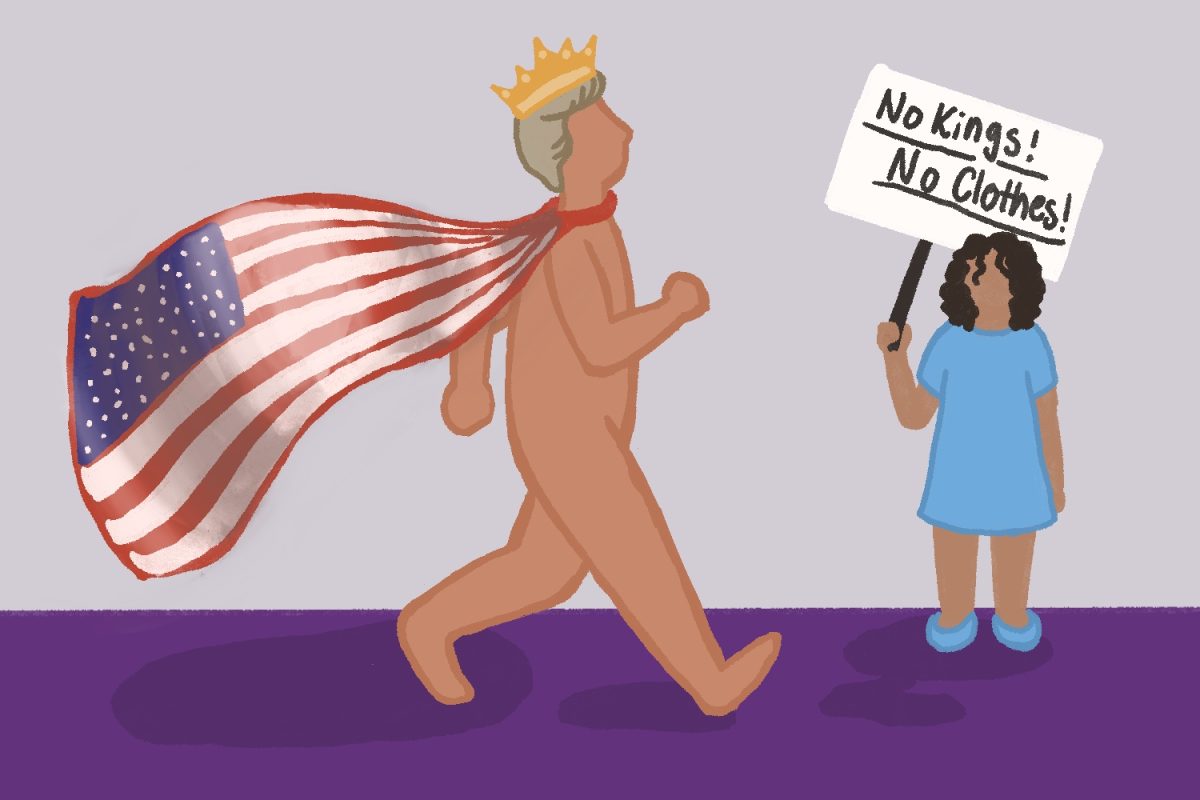
Cancel culture is a hotly contested topic today, but regardless of whether an individual case is justified or not — it’s undeniably vigilantism. When people take down someone’s career and livelihood, it’s the start of a slippery slope into a society without due process.
And while the left has historically been labeled the primary perpetrators of cancel culture, it’s evident that today, both parties engage in it. One side cancels JK Rowling, Kanye West and Dave Chappelle over problematic statements. The other side doxxes people who post about Charlie Kirk’s killing, or bans books they don’t personally like from high schools.
The punchline of this story? Naturally, it’s to ask what any of this may have to do with us.
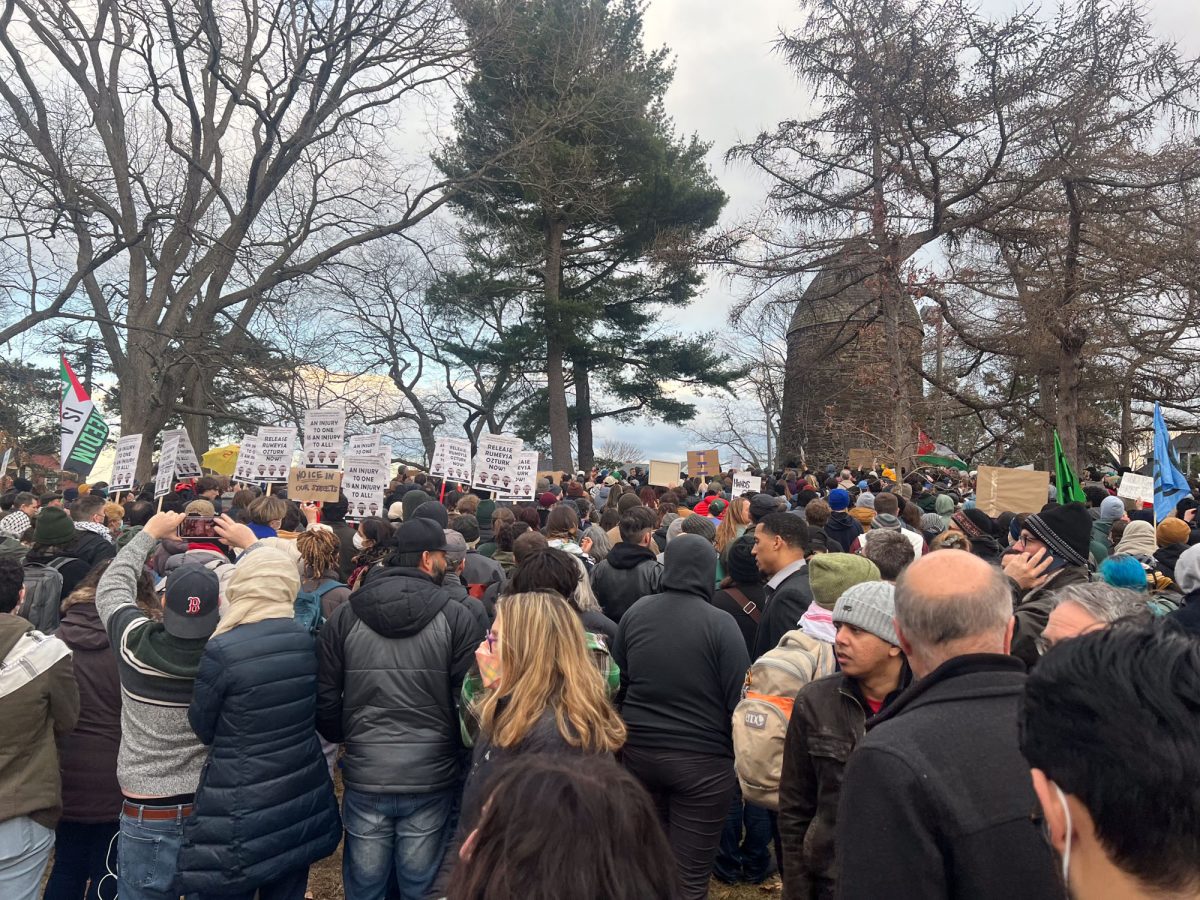
Our American society is teetering on a breaking point. In Minnesota, Republican government-sanctioned murder leads to Democratic peaceful protests, which leads to more Republican government-sanctioned murder.
We cannot stoop down to that level. Of erasing history and ignoring facts, in favor of furthering an agenda. We cannot resort to violence or vigilantism in our pursuit of a free, just nation. Because those dangerous ideas thrive when a system is believed to be fractured.
The American left is fracturing — letting the right do whatever it wants. We must present a united front, speaking together as one voice to do what is necessary.
Liberals like myself continue to emphasize how anything associated with the right has to be dismantled with any popular choice from the left.
Independents continue to whine that “both sides are the same.” Progressives continue to hammer that the Democrats are even worse, that there is not a single strong figure leading the party.
The path we are going down is untenable. It’ll lead to more vigilantism, more violence, more hatred, more fear. Because even though vigilantism is seductive — giving us the moral high ground from its efficiency and supposed “just-ness” — it is exactly what erodes justice.
There’s a reason Batman is fictional. He’s our societal fantasy, our daydream on what we could do with our morals behind the wheel.
Real society can’t support that. If we want to live in a country with freedom, justice, liberty and democracy, we have to recognize the bureaucracy that goes into it. That bureaucracy takes time, will and compromise. We can’t just take the morally right path every time — a heuristic that absolves us of repercussions.
Sometimes, the system fails. But it’s our duty to put it back together.