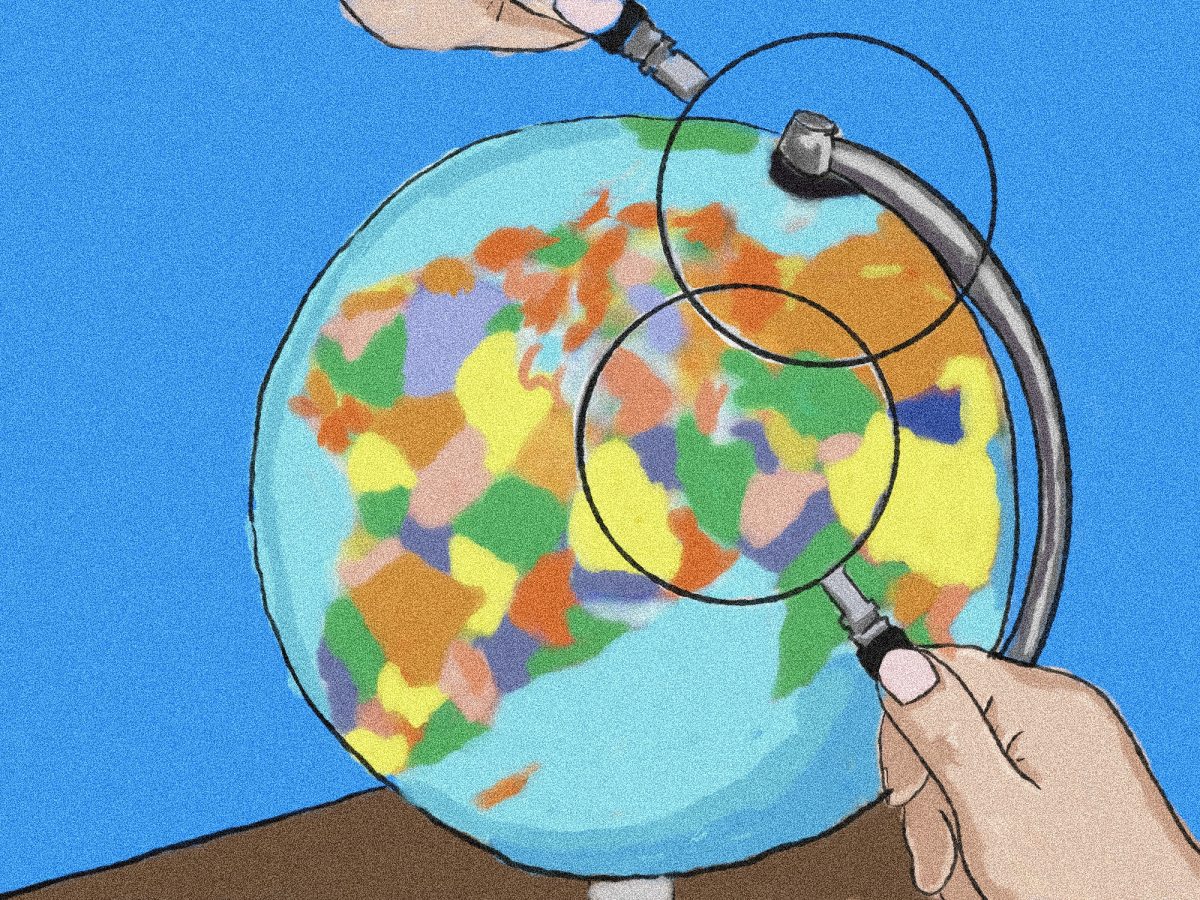






























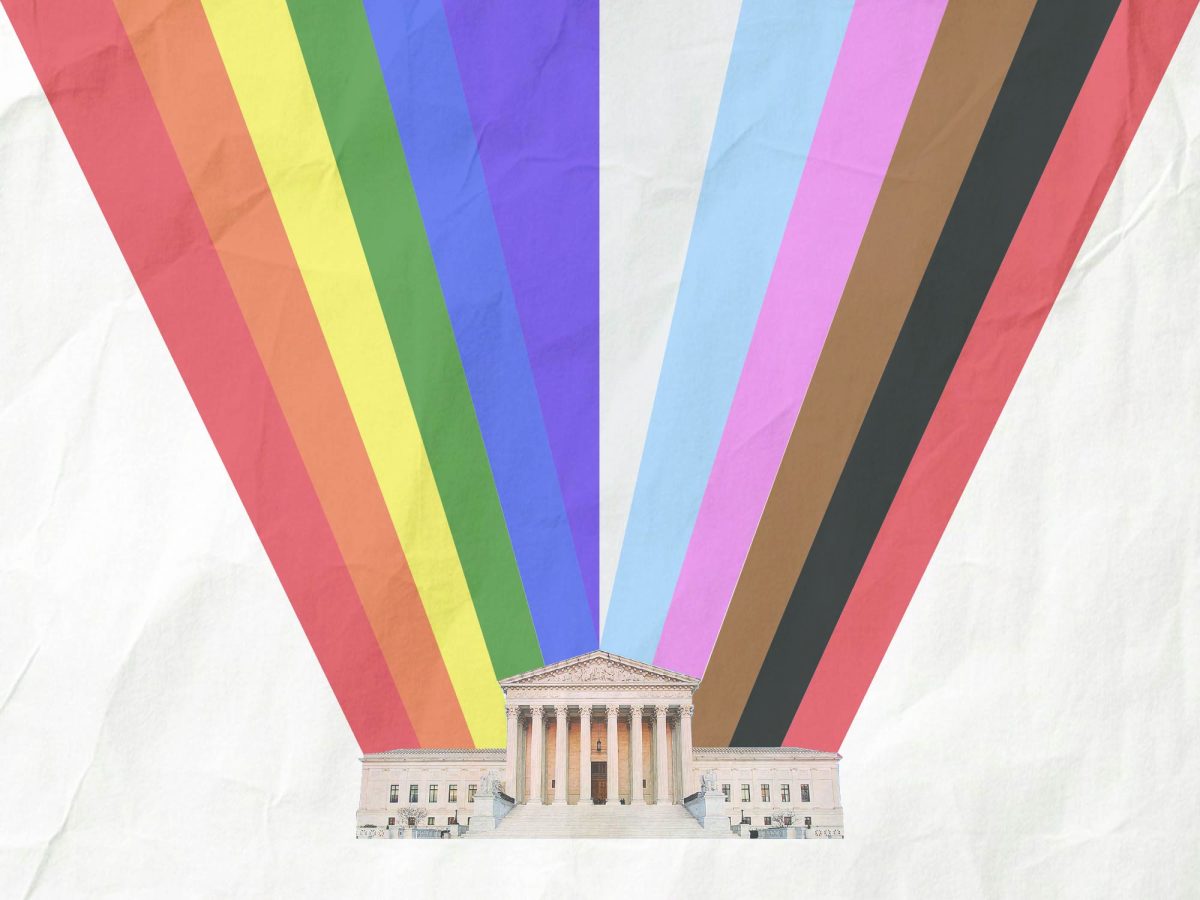














If I could improve an existing international organization, I would reform the United Nations Security Council. Currently, the five permanent members — the United States, Russia, China, France and the United Kingdom — hold veto power which enables any one of them to block serious action.
This structure gives a minority group of countries disproportionate influence over global decisions affecting nearly every country in the world. While this system may have made sense in the aftermath of World War II, it no longer reflects today’s geopolitical landscape.
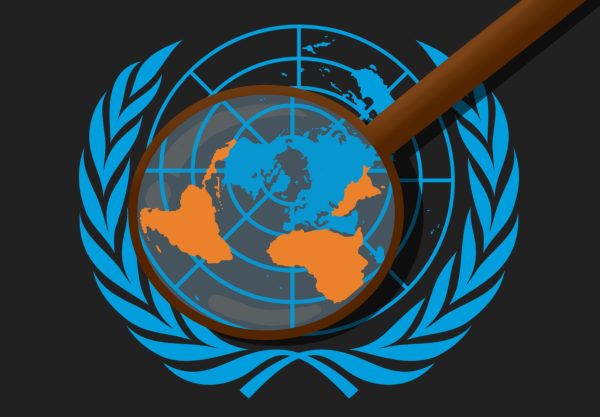
The Security Council was designed around a balance of power that existed more than 70 years ago. During this time, much of the Global South was under colonial rule. Today, these countries have independence and international conflicts have grown a lot more complex.
But, the Security Council’s structure remains frozen in time. Africa is a continent of 54 countries, but has no permanent representation. Latin America and South Asia are similarly excluded from the equation.
One of the biggest obstacles to reform is how difficult it is to change the UN Charter. Any amendment to the charter must first be approved by a two-thirds majority of the General Assembly. After approval from the GA, it must be ratified by P5. This gives the countries that benefit most from the current system the power to block any changes to this system.
Reform can only happen if P5 is willing to give up some of their own authority. This conflict of interest explains why serious reform is rarely successful.
One possible way of reform would be to remove or significantly limit the power of the P5. The Council should be restructured to better represent a changing world. This could include giving permanent or long-term seats to countries with emerging economies and historically underrepresented regions.
Limiting veto power, especially in cases involving humanitarian crises, could prevent powerful states from shielding themselves or their allies from accountability. A more representative Security Council would not only be more fair, but also more legitimate in the eyes of the international community.
The problems with the current system are so easy to see. Many conflicts involving the abuse of human rights continue because political interests stop countries from acting together.
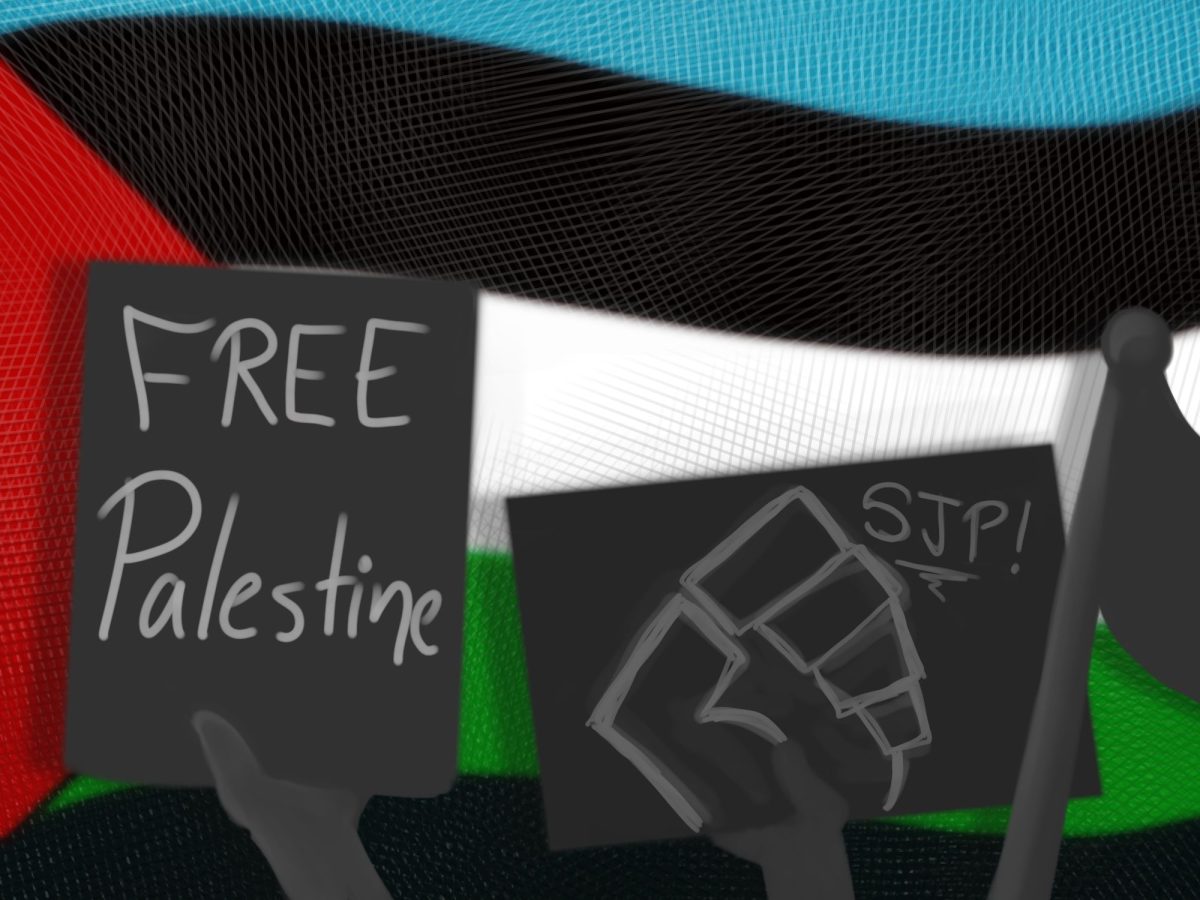
For example, regarding the war in Gaza, the United States has used its veto power to block resolutions calling for ceasefires. Another example where P5’s veto power prevented humanitarian aid access was in Syria. Russia vetoed a resolution to extend cross-border humanitarian aid to millions of Syrians, putting a vital aid lifeline at risk.
When just one permanent member on P5 can block resolutions that enable war crimes and prevent humanitarian aid, the UN loses its credibility. This kind of gridlock sends a dangerous message: International law only matters when powerful countries allow it to.
It also makes smaller, less powerful countries lose trust in the UN. When political interests come before humanitarian needs, the Security Council does not look fair or neutral.
Reforming the UN Security Council is not just about rewriting rules or changing how the institution is structured. It is about rethinking whose voices are actually being heard. If the UN wants to be successful, it cannot keep operating under a system designed after World War II. It needs to reflect the world as it exists today.
A more democratic and representative Security Council would help rebuild trust and serve all countries — small and large.