





























































































Many people believe sexism only remains in small corners of our society, when really it’s woven into its very fabric. Nowhere is this more true than sports.
Did you know the highest paid male soccer player in the world, Christiano Ronaldo, makes about $280 million annually? While the lesser-known, world’s highest paid female soccer player, Trinity Rodman, just signed a record-breaking contract for just $2 million a year.
Despite their equal regard in their leagues, Ronaldo earns 140 times the money as Rodman.
Clearly, there is still a long way to go in terms of gender pay disparities. One primary force behind both the pay and coverage discrepancies between men and women’s sports is the fact that the media perpetuates a male-centered athletic atmosphere.

Take the nomenclature of sports, for example. In conversations surrounding men’s sports they are just considered “sports,” whereas the “women” in female sports is always highlighted.
Whether that is the “Women’s World Cup” versus the “World Cup” or the Women’s National Basketball Association versus the National Basketball Association or Professional Women’s Hockey League versus the National Hockey League, the emphasis on female-centric sports makes the divide even more obvious.
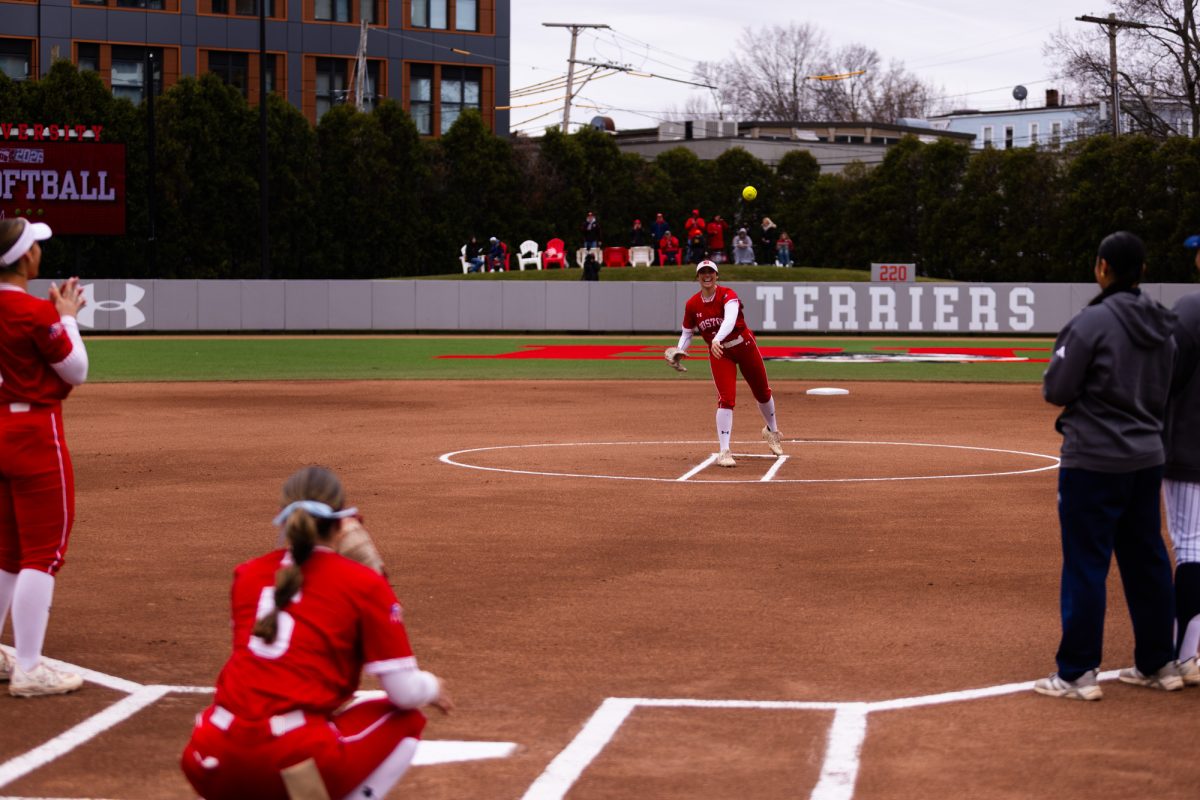
Boston University’s own hockey teams’ Instagram pages spotlight this discrepancy. The men’s team’s username on the platform is “TerrierHockey,” and the women’s team is “TerrierWHockey,” having to distinguish themselves as the women’s version.
If we look at the Winter Olympics, the men’s hockey gold medal game between the United States and Canada received about 26 million viewers on NBC and Peacock collectively. The women’s team received a peak of 7.7 million viewers, cited as a record-breaking viewership in women’s hockey history.
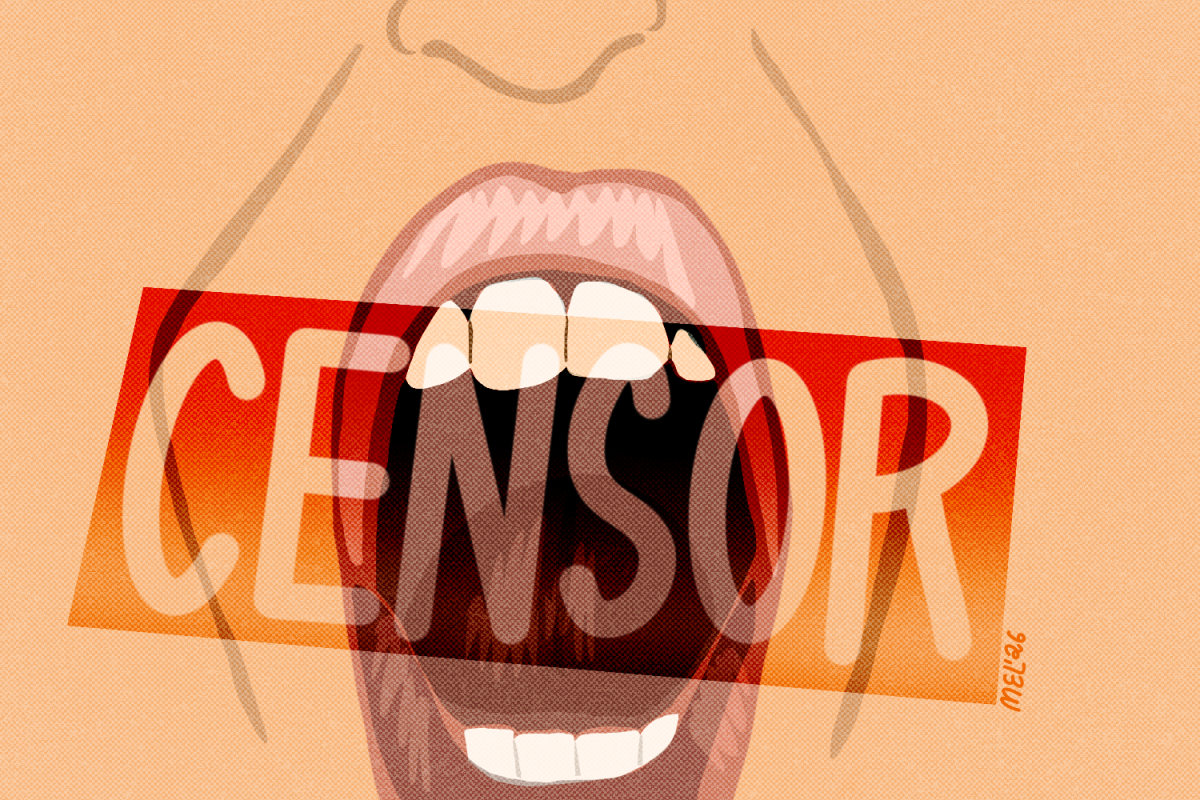
Now the sexist perception of these statistics would claim that these differences highlight how people are more interested in men’s athletics than women’s. However, different forms of sports media are to blame due to their disproportionate coverage, attention, air time and inconsistent promotion.
These not only undermine the accomplishments of women athletes across the globe, but neglect to platform them in the first place.
Do you know how many times the women’s U.S. hockey team has medaled in the last eight Olympics since their sport was first introduced in 1998? Eight times. They achieved gold three times in 2026, 2018 and 1998, silver in 2002, 2010, 2014 and 2022 and one bronze medal in 2006.
Prior to 1998, the U.S. men’s hockey team had won gold twice in 1960 and 1980, winning silver six times, and bronze once in 1936. Since 1998, the U.S. men’s hockey team has medaled a respectable three times, winning gold this year and taking home silver in 2002 and 2010. They have medaled a total of 12 times since the Winter Olympics began in 1924.
My aim here is not to put the success of one team over another. This isn’t a “who has won more” conversation. Rather, it’s about a central question underlying their dual success: If both teams have earned high accolades in their fields, why aren’t they spoken of in the same?
What we should be highlighting is the fact that this is the first time in Winter Olympic history where both the U.S. men and women’s hockey teams won gold simultaneously. However, this historical moment was overshadowed by a sexist locker room joke following the men’s Olympic final that came at the expense of the U.S. women’s hockey team.
Minutes after the men’s first gold medal win in 46 years, they received a phone call from President Trump not only congratulating them, but referencing their future visit to the White House and how they will “have to bring the women’s team” joking he would face impeachment if they didn’t. His quip was crudely followed by extensive locker room laughter.
Disappointedly, the media capitalized on this controversy instead of promoting and uplifting both men’s and women’s sports collectively.
We can celebrate both women’s and men’s sports teams at the same time. You can be both a women’s hockey fan and a men’s hockey fan. One team’s success does not have to come at the expense of the other.
We must learn how to hold sexist behavior accountable, condemning both the President’s comments and the men’s hockey team’s reaction, while pushing the narrative to surround the success of all U.S. athletics and not a male-dominated one.
We should be supporting both a societal and media atmosphere of mutual respect and shared sense of appreciation. What’s more, media coverage of women in sports needs more attention.
It is up to us to identify how the media maintains a continuous cycle of gender inequality in sports, and how we can work to change this cycle for the better.


