




















































































Under capitalism, time is money. We scramble through our day with a schedule more calibrated and controlled than ever. Our work is no longer measured in seasons or sunrises, but in hours and minutes.
The prospect of spending time away from work to focus on friends and family is a distant one. According to the Bureau of Labor Statistics, full-time workers spent an average of 35 minutes socializing per day in 2024 — just 5% of their daily waking hours.

Many fields now demand major overtime — among them, education. Teachers and professors are burdened with a herculean workload — showing up early, writing reports, grading submitted work and crafting assessments, day after day after day.
According to Scholastic, teachers can work up to 11 hours per day, including time spent before and after school. The National Education Association reports that educators are more likely to take work home for the weekend, for which they often go uncompensated — while working seven more hours weekly than other U.S. adults.
Still, teachers are being pressured to perform at near-impossible standards. As the size of their classrooms grow and grow — with an average of about 24 students per class in 2025 nationwide — they are still expected to cultivate a relationship with each of their pupils.
Add a decline in funding for public schools and the rising cost of higher education, and it’s clear that our education system — and the people that work in it — are being stretched to a breaking point.
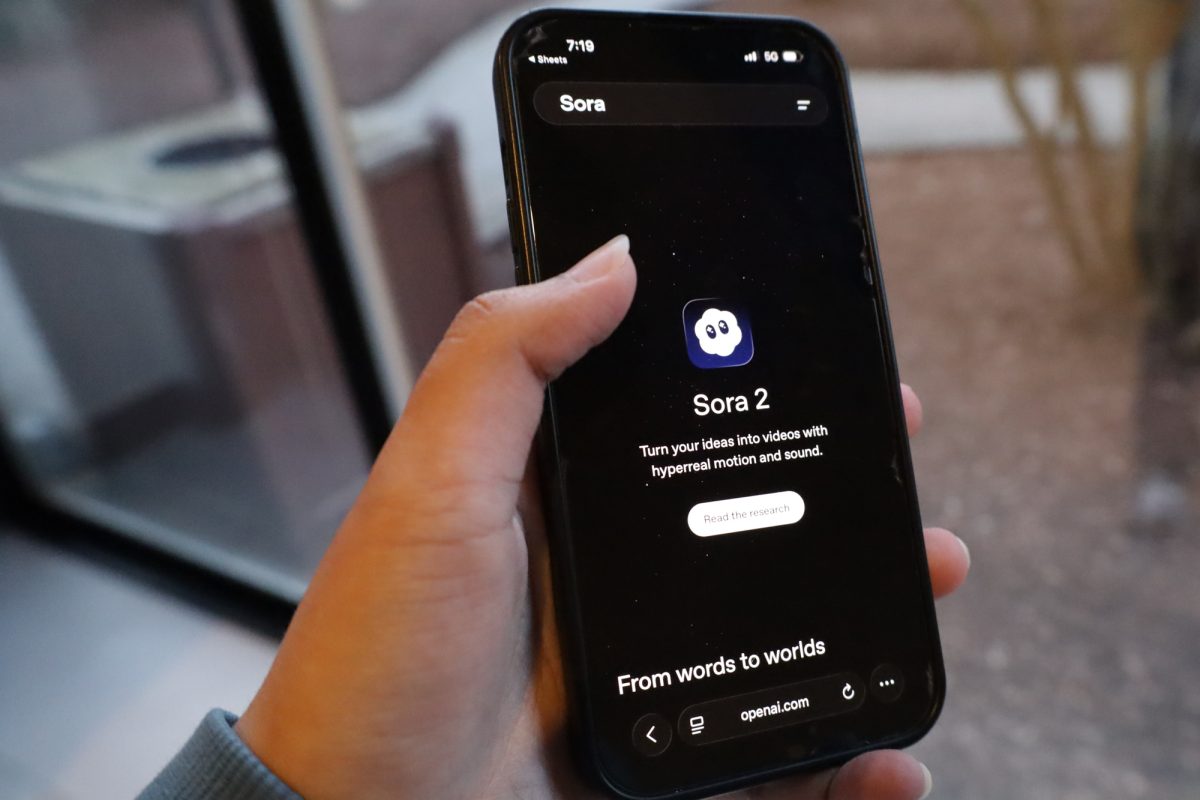
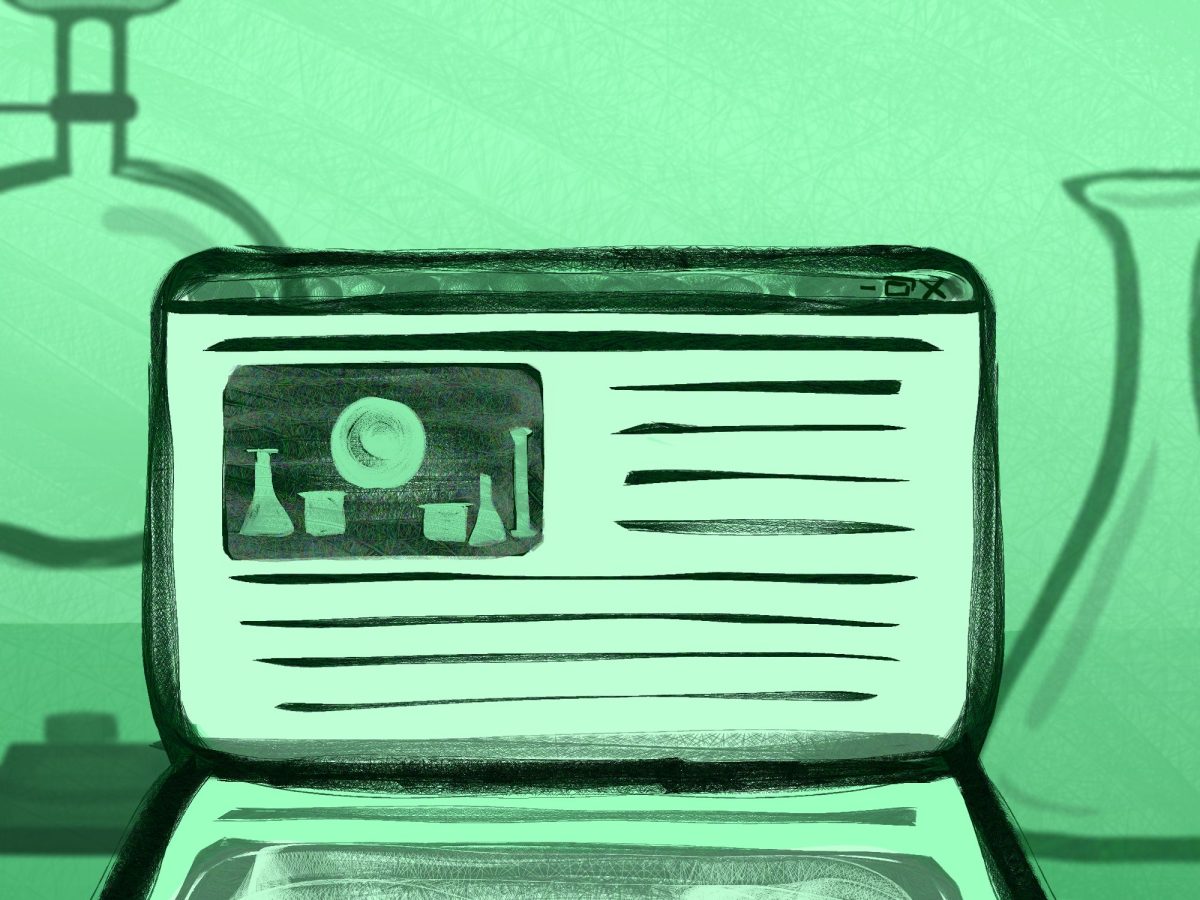
Given this reality, it shouldn’t be surprising that the use of AI is becoming prevalent among educators. According to EducationWeek, 61% of US teachers said they used AI in at least “some” capacity in 2025, and 50% said AI had been introduced into their work through professional development — a type of on-the-job training.
Why have educators come full circle on this issue? Those who feared their students would hand off their work to robotic underlings are now using AI to grade papers, give feedback and even generate new assignments. Hypocrisy and laziness aren’t sound excuses for this change — not in a world where teachers are willing to work 10-hour days to meet their students’ needs. Instead, AI use is a symptom of a much larger issue: the relentless drive towards efficiency in education.
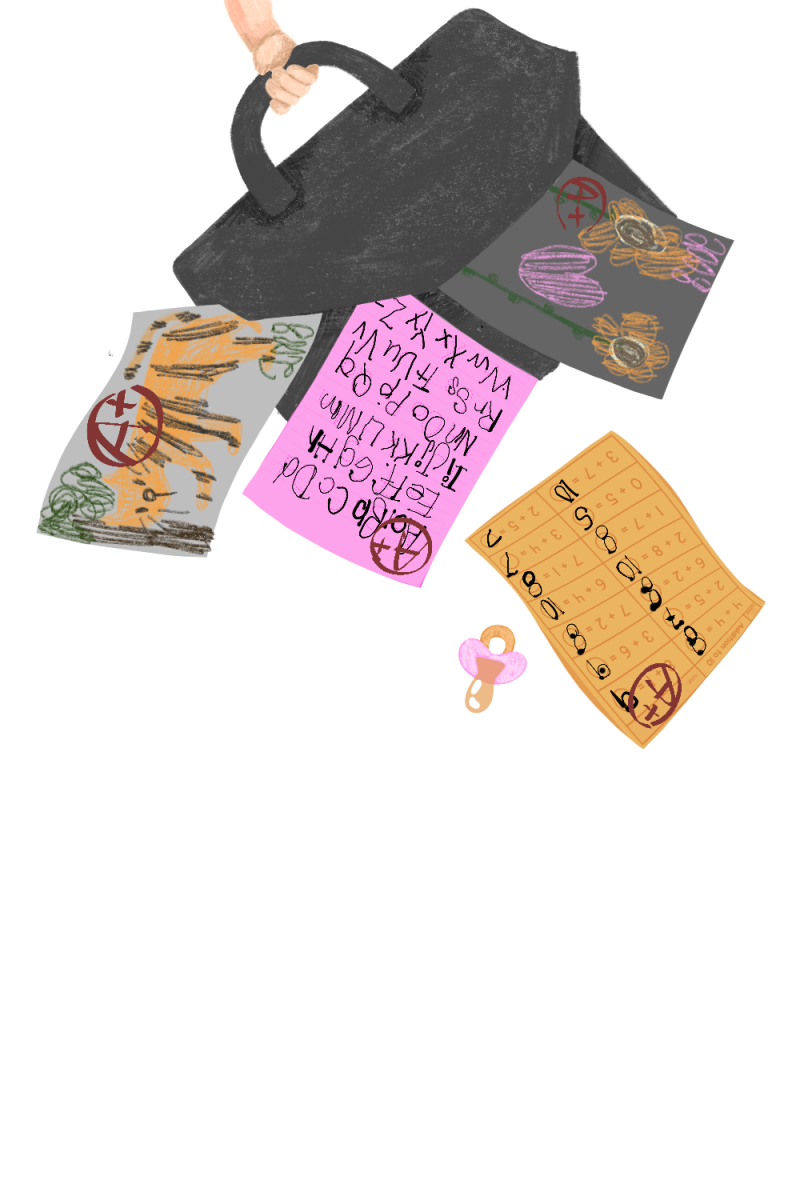
When a teacher needs to grade dozens of essays, assessments or other complex projects at the same time, the pressure is enormous. They must answer not only to their superiors but to the parents of their students — some of whom have threatened educators with violence. Under the circumstances, it’s sensible that they would embrace a technology designed for the work they’re struggling with.
AI allows teachers to leave paragraph-length feedback on assignments, have an efficient peer-editing partner at their fingertips and ensure their work is done in time for students to receive grades.
With more time on their hands, educators can foster closer relationships with their students. And with tedious grading done by a machine suited to the task, teachers have more time to spend doing their job — teaching.
Of course, there’s concerns about the fairness of having AI grade work. But most grading is already based on an algorithm of sorts. A rubric, a teaching aid already commonly in use, is just a set of instructions for assigning scores based on how a student performed within the guidelines of an assignment — a task that AI could perform quite well, and perhaps with a more objective approach than a regular teacher.
AI use in education isn’t inherently harmful, but it’s a symptom of a more serious issue with the way we treat our teachers. The stress they’re under is clearly causing problems. If they feel pressured to use AI, we should consider the circumstances that pushed them to do so — rather than pointing the finger at “lazy teaching.”
AI could free educators to be more available for their students than ever, but it could also lead to a new culture of conformity. If classrooms are all designed for a “typical learner,” countless students will fall through the cracks — something that cannot be allowed to happen.
Our minds are the greatest asset we’ll ever have. To train them to think only one way is antithetical to a free, democratic society. If we want a better tomorrow, we must equip our educators to nourish the minds who will create it.


