















































Freedom is perhaps one of the most passively exercised aspects of human life. And yet, we take active pride in publicly displaying our civic freedoms.
Our mere possession of freedom rarely does justice to the immense appetite for boasting about the individual liberties that the modern political world has allowed for.

Freedom has been enshrined in every democratic constitution on a level that goes beyond the clutches of mere bureaucratic procedure and penal codes. It is woven into the fabric of human identity and connection.
We romanticize freedom to the point where we dedicate annual holidays, public celebratory displays and hot dog eating competitions to remind ourselves of the simple fact that we are indeed free.
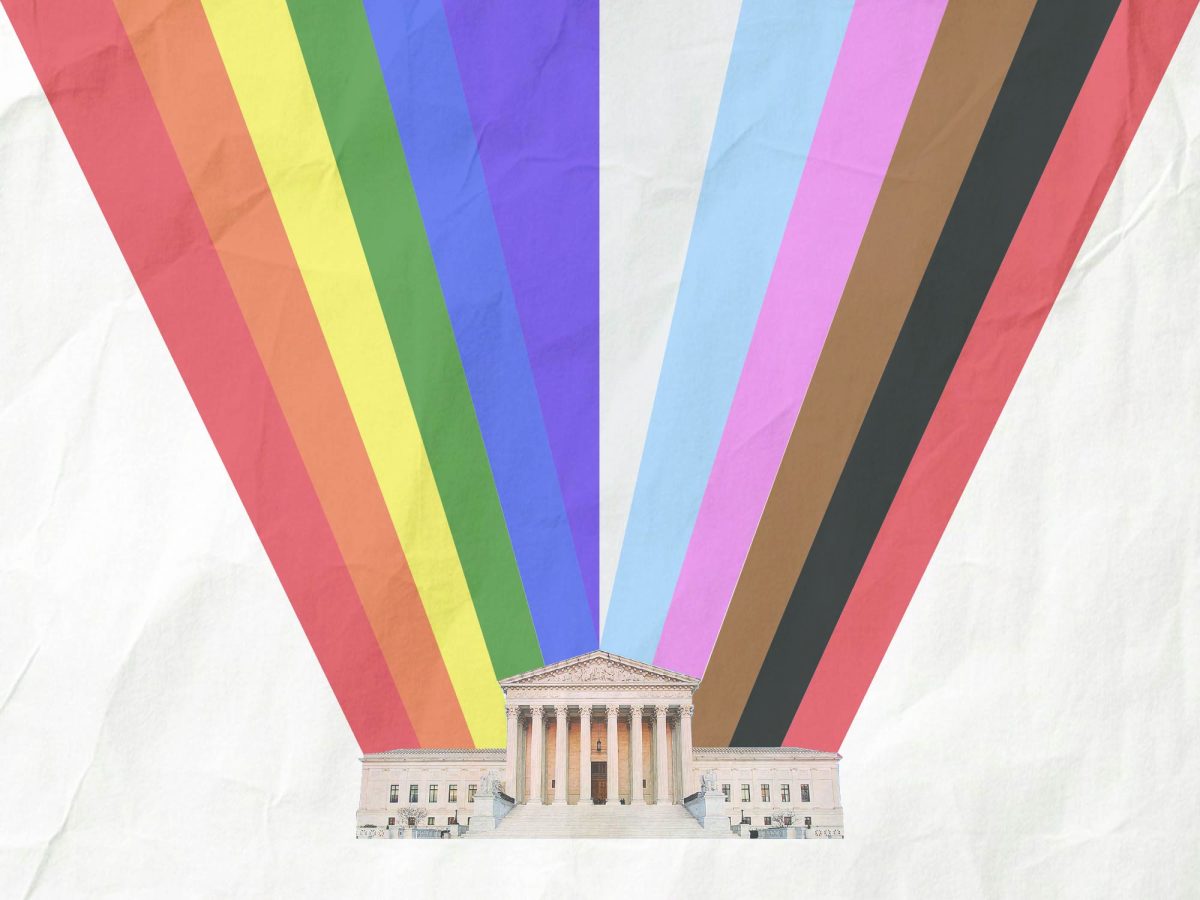
Statues are erected, anthems are written and colors are designated to symbolize freedom’s importance not only to our nation, but to the implicit sphere of our individual lives.
As humans, we have a peculiar tendency to only be made aware of things when we are shown the most explicit version of them.
In the same way, we aren’t mindful of the air around us until a strong gust of wind hits us in the face — we are only made aware of our freedom when we engage in its grandest celebration. Thus, it is in the more obscure instances of democratic life that we may come to realize we do not exercise the absolute democratic freedoms we are constantly advertised as having.
In fact, political freedom is rarely universal and constant. It can instead be likened to a pendulum that periodically swings toward us, allowing any kind of self-determination or autonomy within the span of particular intervals.
During elections, the pendulum swings toward the public in full force. Choice allows us to assign the future of a “better world” to a singular individual — a sole representative who undertakes the task of fulfilling their constituency’s desires.
But, in time, the pendulum swings away. The same power that allowed us to decide whom to put in charge is revoked and thrust into the hands of this elected official. This individual is empowered by many wills but only ever obeys their own.
The people reign in the political world as God does over the universe — everywhere obeyed, yet nowhere do we govern.
Such is the cycle we find ourselves in. Most of our democratic life is spent waiting for the next time we get a say.
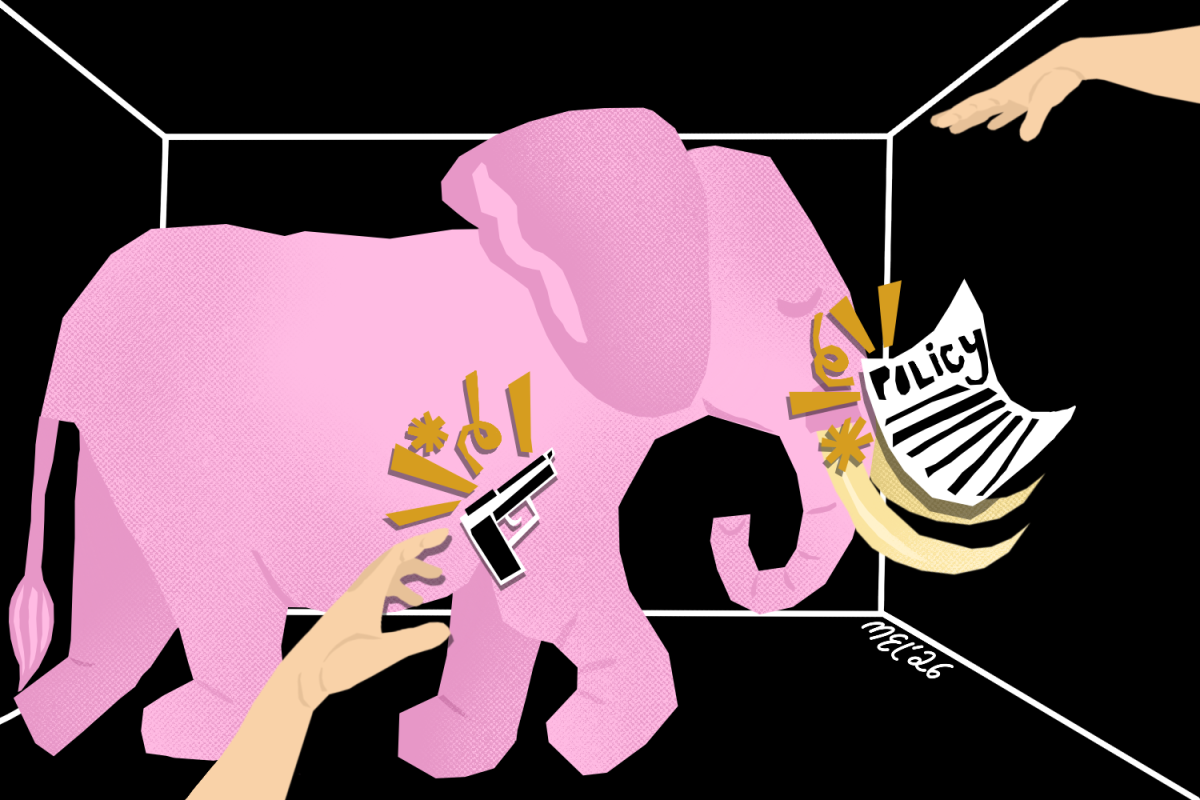
A statistic from a 2004 Princeton University research paper found that regardless of public support for a certain policy or idea, there is an unflinching 30% likelihood that it will be passed in the United States Congress.
In the researchers’ own words, “the preferences of the average American have only a miniscule, near-zero, statistically non-significant impact upon public policy.”
Such a grave finding directly opposes our understanding of the necessity for representatives to be transparent with voters for their own sustenance as a politician. What makes this fact even more disturbing is that this statistic only applies to the bottom 90th percentile of income earners in America. This implies that groups of wealthy elites with access to PAC funding, lobbying influence and congressional networks have a significantly higher — around 60% — chance of getting their supported policies passed in Congress.
And this isn’t a mere issue of how collective democracy happens to be structured anymore — such evidence reveals how the upper echelons of politics and business take active measures to interfere with the pendulum’s swing back in our direction.
There are many aspects of freedom — our right to free speech, choice to engage in conversation, ability to grant and revoke power from elected officials and ability to self-inform — which are indeed universal and constant.
And yet, the only power that can effect any concrete change — the power of legislative appointment — is one that we voluntarily give up the second we cast a vote.
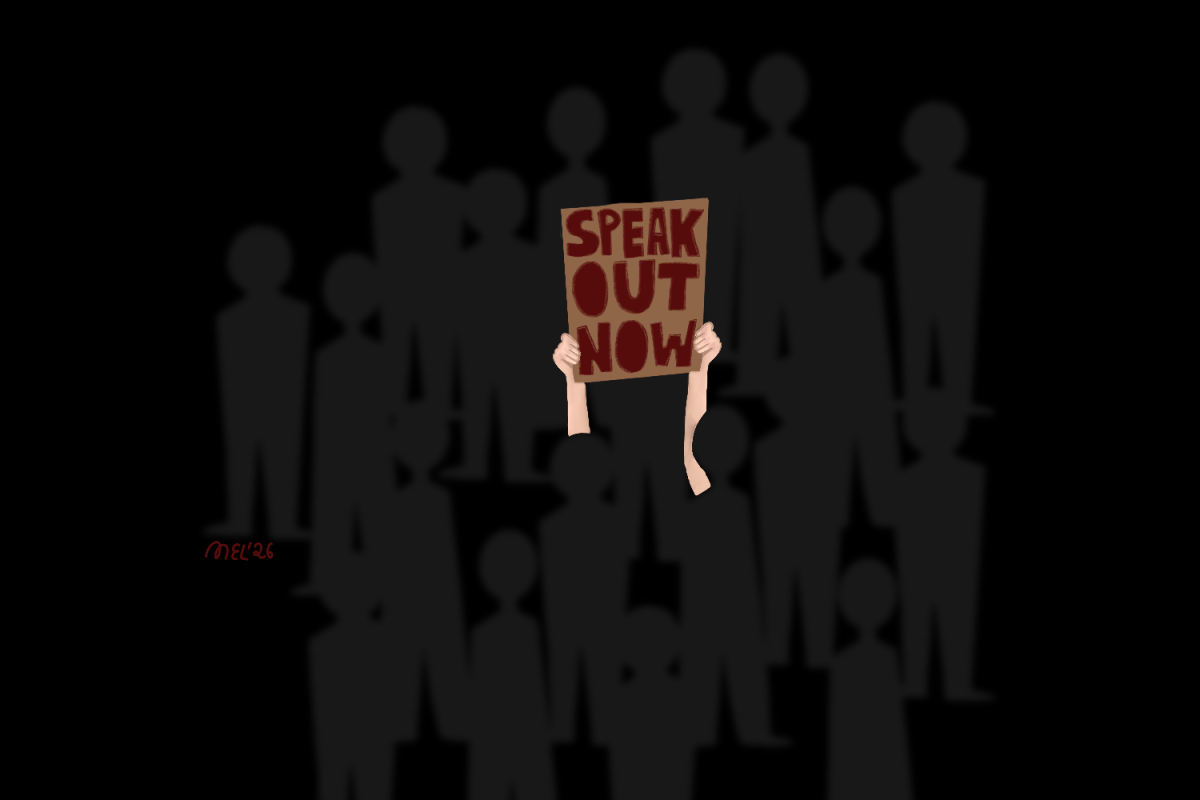
In light of this fact, it becomes even more vital to scrutinize and critique even the most trusted and charismatic of candidates to ensure our own political wellbeing.