











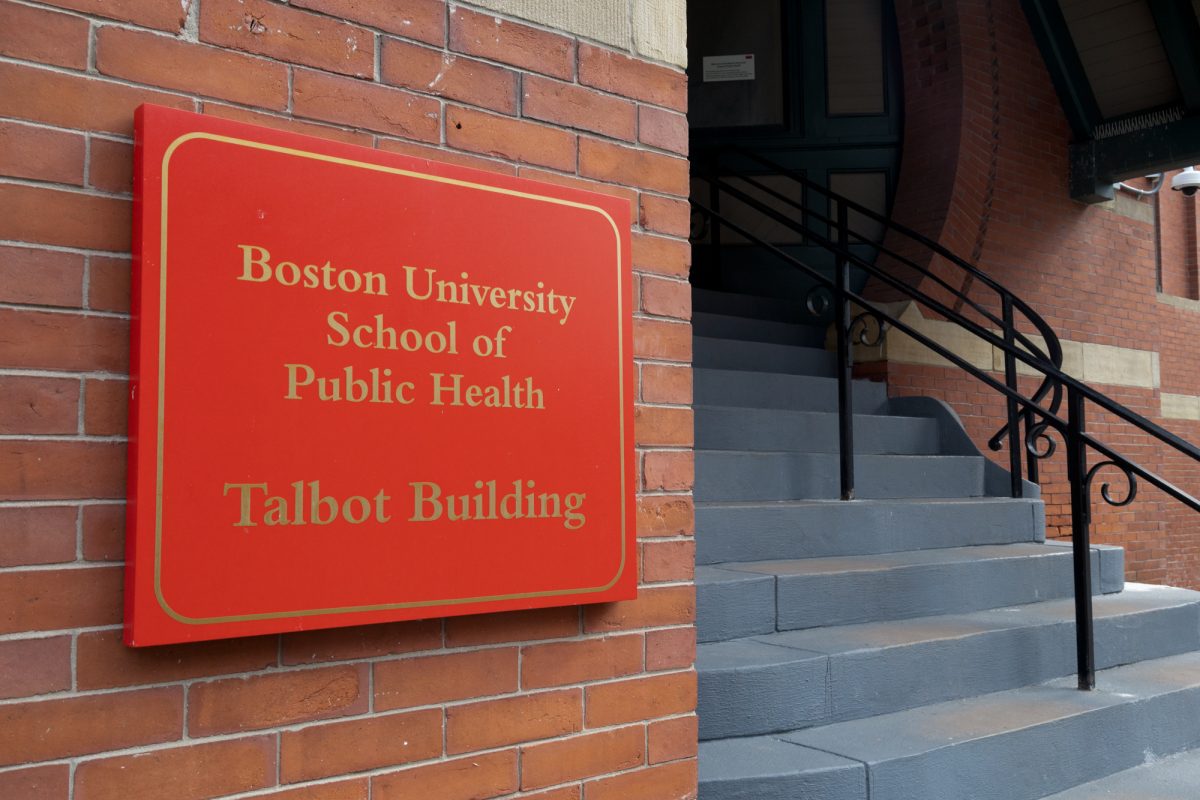



























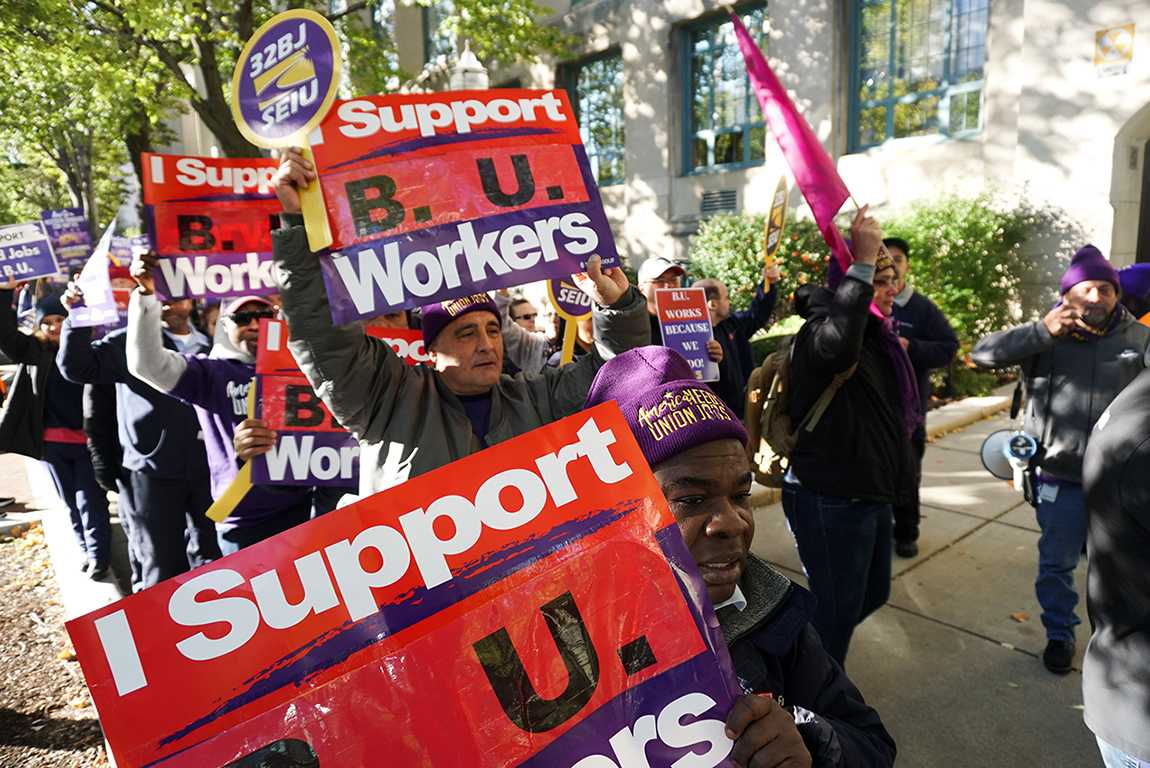


















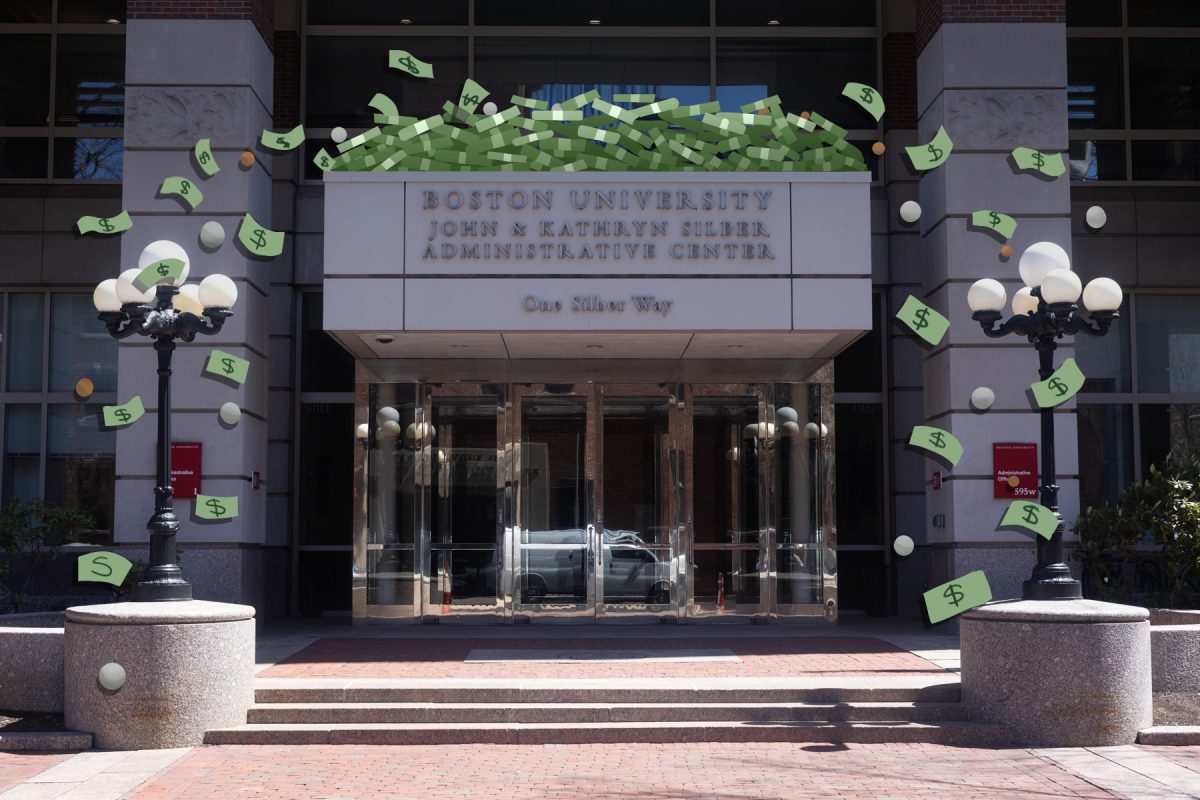


In the face of President Donald Trump’s crackdown on immigration, students at a handful of universities in Boston are pushing for their institutions to adopt sanctuary campus policies.

These policies typically revolve around limiting cooperation between university administrations and U.S. Immigration Customs and Enforcement officials.
While many schools have renewed commitments to protecting international students amid heightened deportation efforts, administrators across the country are hesitant to embrace the “sanctuary campus” label.
“It has no clear legal definition and may imply protections no university can guarantee,” Boston University Spokesperson Colin Riley wrote in a statement to The Daily Free Press. “What matters most is not the label, but the depth of the University’s commitment to its students and the resources it provides them.”
At Northeastern University and BU, chapters of the Young Democratic Socialists of America have launched campaigns pressing for the adoption of sanctuary campus policies.
NEU YDSA launched its sanctuary campus campaign Aug. 10, calling on students to send letters to Northeastern administration advocating for eight demands, including barred cooperation between the school and ICE.
Home to more than 20,000 foreign students, Northeastern ranks second in the United States in international student enrollment.
“I am afraid for our international students because I believe that there is a good chance that ICE will inevitably come to this campus,” Simon Braun, a sophomore at Northeastern and parlimentarian for NEU YDSA, said.
Braun said Northeastern’s protocol surrounding federal immigration efforts on campus is unclear.
“Northeastern is doing nothing to protect these kids,” he said. “It has refused to defend its international students in the face of the Trump administration and refused to call out the Trump administration for what it is doing.”
Braun said Northeastern has not offered a response to NEU YDSA’s campaign, despite repeated requests by the group for comment.
In January, Northeastern published a FAQ sheet — last updated Nov. 13 — detailing how federal actions could impact higher education. The section on “Immigration and International Issues” asks community members to direct questions and concerns to the Office of Global Services and the Office of General Counsel.
The Back Bay Young Democratic Socialists of America announced it was reopening the sanctuary campus campaign in a Nov. 6 Instagram post.
The group has launched a petition advocating for limited cooperation between federal immigration authorities and BU, as well as mandatory training for all faculty on the difference between an administrative and judicial warrant.
While ICE agents can enter public spaces without a warrant, agents cannot enter nonpublic areas “without a judicial warrant signed by a judge or explicit consent from an authorized campus official,” according to the Presidents’ Alliance on Higher Education and Immigration.
These nonpublic spaces include areas only accessible by University-issued ID cards, university residence halls and monitored or locked entryways, according to the alliance.
Riley wrote that many of the demands of the YDSA’s petition — including the protection of student privacy and training surrounding warrants — are “already in place.”
“In light of recent federal immigration actions, the University has increased its outreach, published additional guidance, and expanded the resources available to international students,” Riley wrote. “International students now have access to up to three-hours of free legal consultation with outside immigration attorneys.”
He added that while the University has not reported any instances of federal immigration agents entering campus, BU is “closely monitoring the situation.”
Sarah Sherman-Stokes, clinical associate professor of law and associate director of BU’s Immigrants Rights and Human Trafficking Program, said she is unaware of any current policy at BU that would limit cooperation with federal immigration enforcement.
“I would like to see policies that promote this as an educational and learning environment where students can focus on what they’re here to do,” Sherman-Stokes said. “There is more BU could do to limit cooperation with federal immigration authorities to protect student information.”
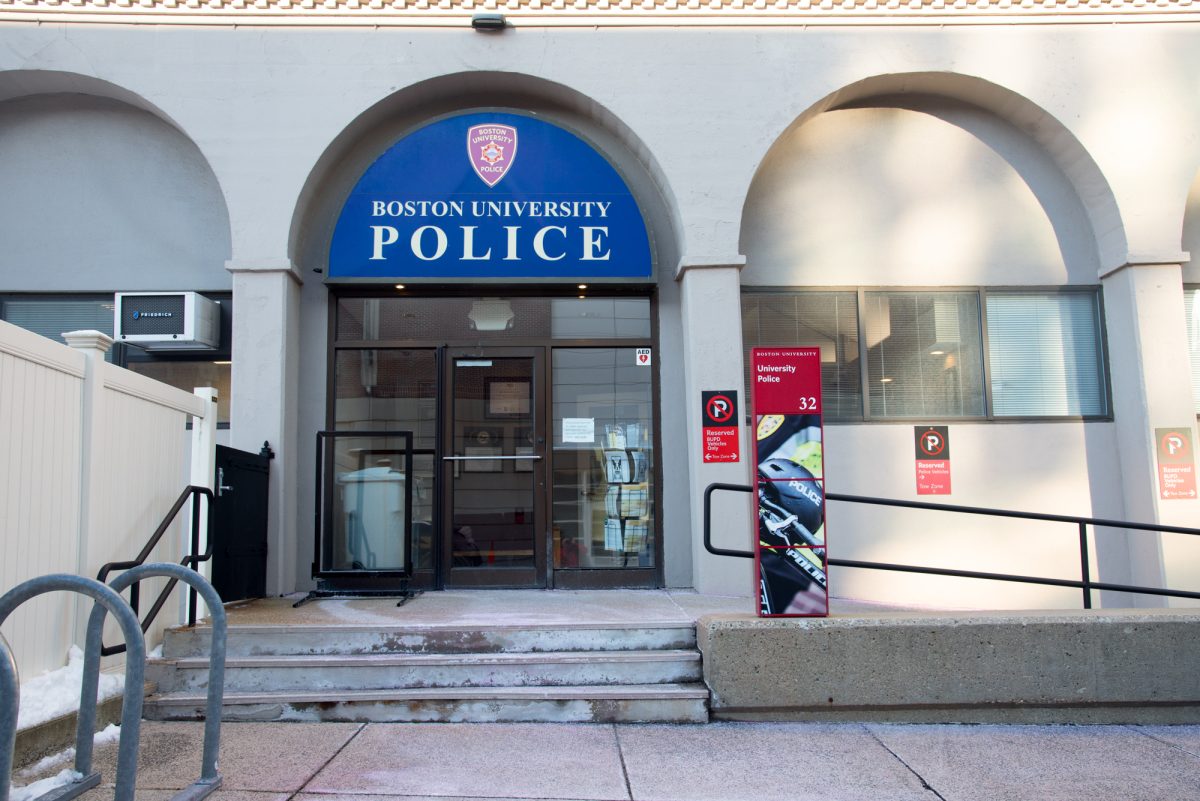
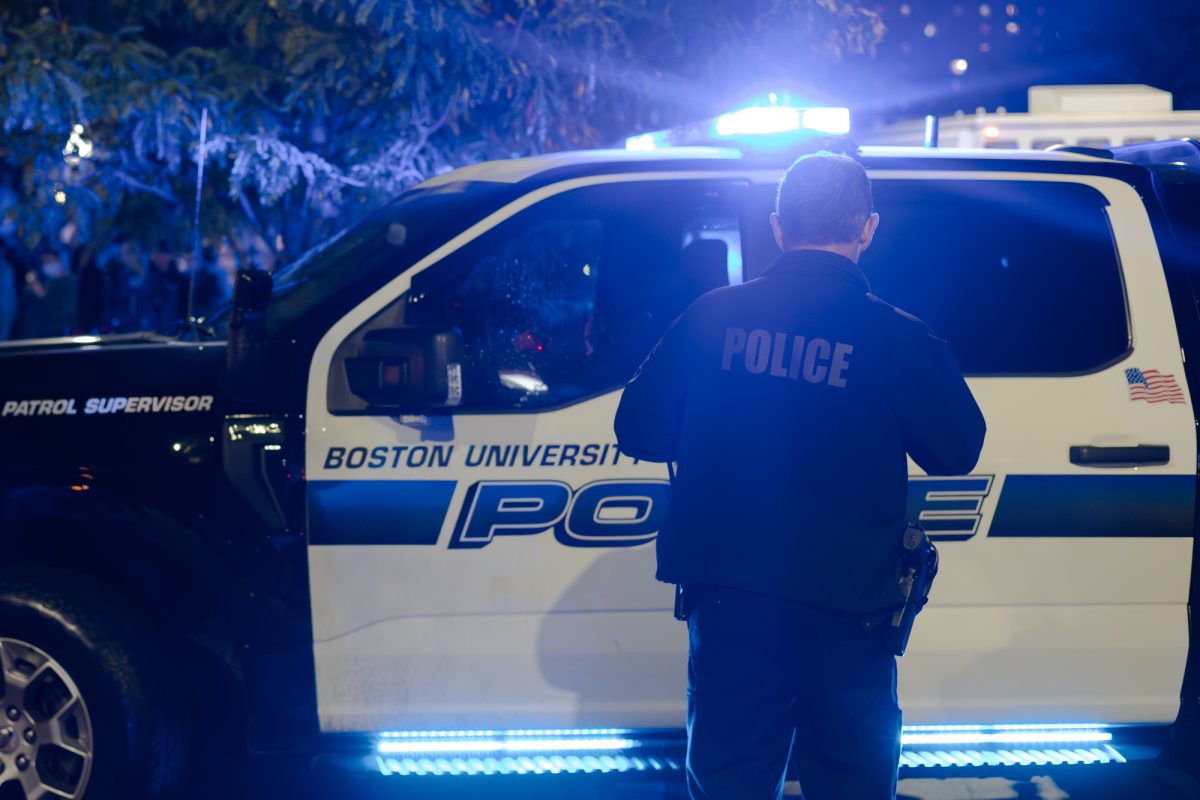
BU’s Safety, Security and Preparedness website states the BU Police Department will not enforce immigration law or ask a student about their immigration status. The page directs viewers to contact BUPD if approached by an outside law enforcement agency seeking student information.
“I’d like to see more language that’s like ‘BUPD can and will arrest ICE if they go places on campus where they’re not allowed,’” BU freshman Anas Farrag said.
In the wake of BU College Republicans President Zac Segal reporting workers at the Allston Car Wash to federal immigration enforcement, Farrag emphasized the need for University policies resisting ICE.
“It’s time that BU takes a real stance on something that’s important,” Farrag said. “It’s time to make it absolutely clear that ICE is not allowed on our campus.”
While universities across Boston have published different language regarding cooperation with federal agencies, many have not dubbed themselves a “sanctuary campus.”
Harvard University asserts its police department cannot inquire about the immigration status of community members and “does not investigate alleged violations of federal immigration laws,” according to its website.
The University of Massachusetts Boston instructs its faculty to refrain from sharing student information if approached by a federal agent, according to a FAQ sheet released by the school in February.
In a statement to The Daily Free Press, Luis Jiménez, an associate professor of political science at UMass Boston, wrote the university does not officially consider itself a sanctuary campus, and wrote he does not see the need for the label.
“University police cannot stop ICE from entering campus, shield people from federal law or obstruct ICE in any way,” Jiménez wrote. “Claiming sanctuary campus or not is pretty meaningless in real terms.”
Sherman-Stokes emphasized the importance of student activism surrounding immigration issues.
“I’m really supportive of student-organizing efforts,” she said. “Students are doing the important work of speaking up for their fellow students and community members who do not have the privilege of being United States citizens.”