

















































I wrote a column a few years ago about Condé Nast — the corporation that owns The New Yorker, Vogue and many other storied publications — merging Pitchfork, a prominent online music publication known for in-depth reviews and music journalism, with GQ, a men’s magazine. At the time, fans of Pitchfork’s writing reacted to the acquisition like it was the coming of doomsday.
In reality, not much changed. But the end of what was might have actually arrived.
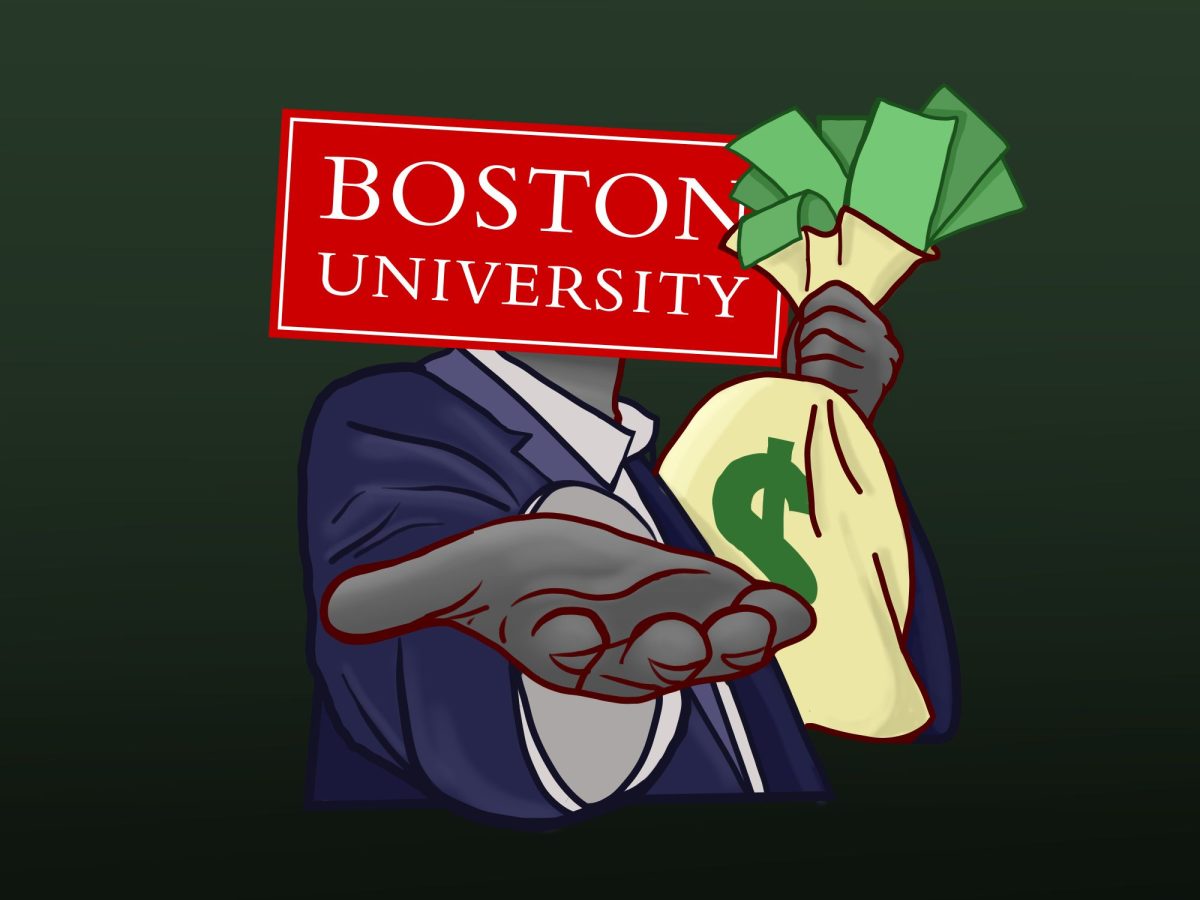
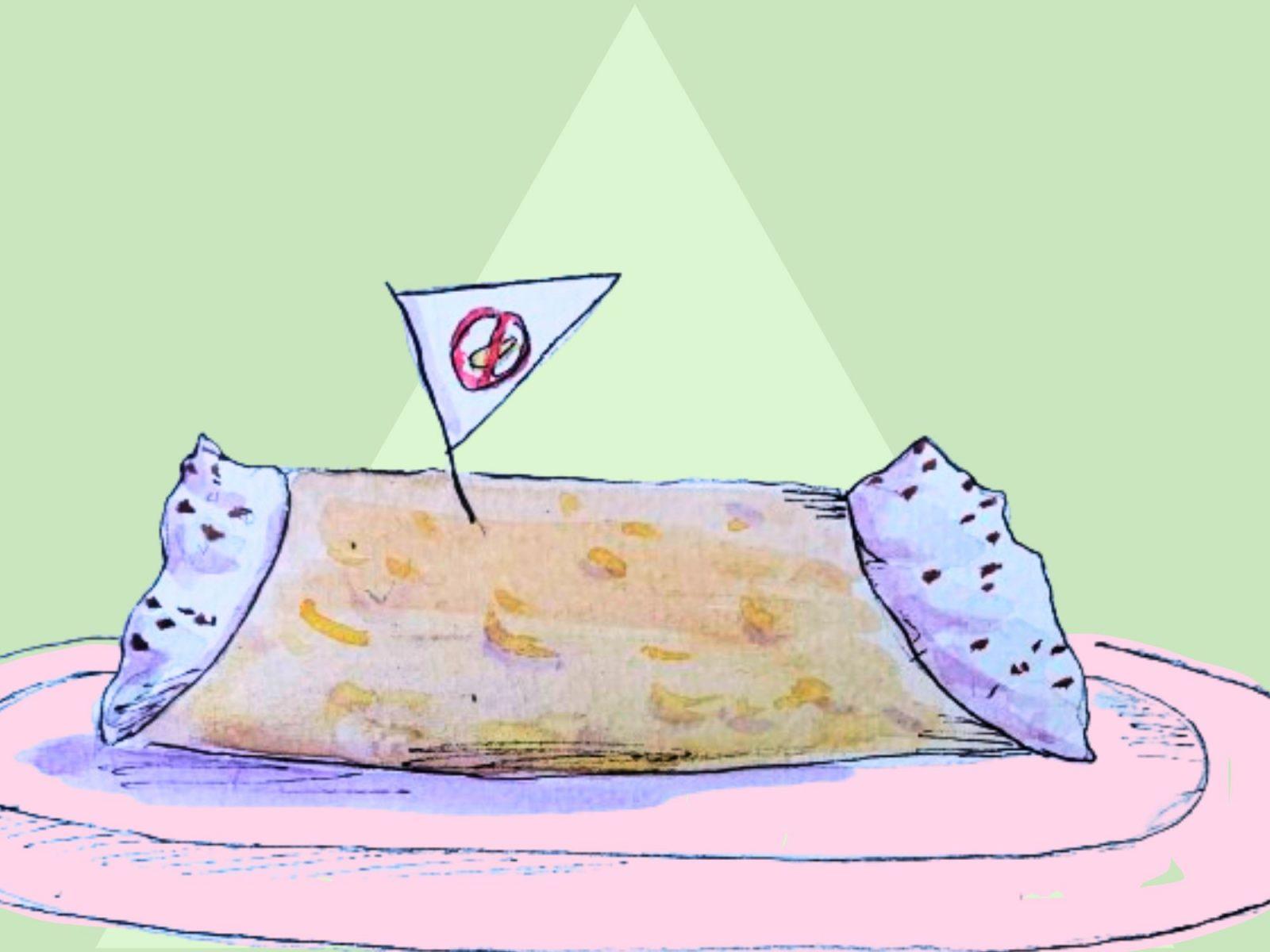
On Jan. 20, Pitchfork’s head of editorial content, Mano Sundaresan, announced that Pitchfork would launch their first subscription plan. The plan, which costs $5 a month, gives readers access to all album scores, a comment section and a new feature which allows readers to leave their own score.
Non-subscribers will still have access to the News, Columns and Features sections of the website, as well as four reviews a month. But this marks yet another publication adding a paywall. Slate, a similar online music publication, put a paywall on their work back in 2020.
It’s hard not to feel the subscription fatigue nipping at our ankles, and it’s understandable that readers might not be willing to pay extra for what once was free.
I was honestly surprised, though, to find that so many people were angry about the paywall implementation. But frankly, I was more surprised Pitchfork didn’t make the decision when they were acquired by Condé Nast. And though I get the exhaustion surrounding subscription fees, I don’t know how else publications like Pitchfork can continue to operate in a substantial, effective way without paywalls for their work.
To understand why this is happening you have to recognize how difficult it is for smaller news organizations to stay alive at this moment in time. Ad money has all but dried up for websites like Pitchfork, and the new go-to model for profitability has slowly become a burden on the consumer — in other words, paywalls.
And while some opinions online remain free — cough cough, this one — if we want critics to stay around, publications need to find a way to stay profitable. And this is looking like one of the only options.
With the way things are going, we’ll be lucky if spaces for professional critics still exist at the end of the decade. And while some might not want to acknowledge it, the work of a professional critic — someone who has actually spent the time necessary to know a piece of art — is essential. You’d be surprised how often a larger cultural conversation stems from a single review.
Although I don’t like the reader score implementation — if I cared what the reader thought, I could literally find it anywhere else on social media — these writers deserve to be paid for their work. Social media platforms have made the current landscape totally unsustainable for professional writers. But if we believe in them, we have the moral obligation to support them however we can.
I’ve found so much music through Pitchfork’s writers. It feels right to support them in this next stage of their publication’s lifespan, because their work means something to me. I get it if other people don’t feel the same. But if we don’t want a future with more subscription fees, or a future without professional critics, there has to be some sustainable method that reconciles these opposing desires.


