




































































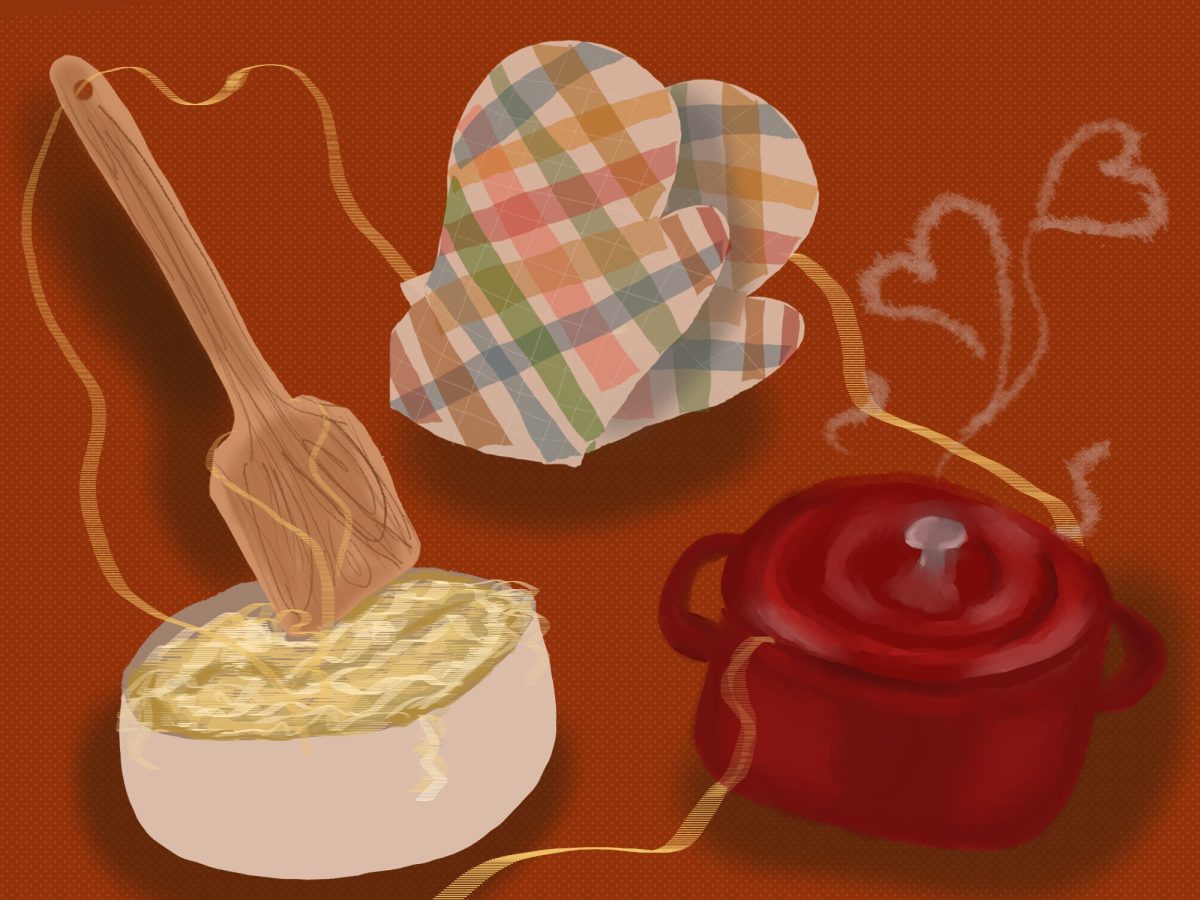








Stuffed turkey. Gravy and cranberry sauce. Mashed potatoes. Pumpkin pie. Giving thanks. Watching football. The Macy’s Thanksgiving Day Parade.
This is what Thanksgiving means to millions of Americans. It’s gathering together in one house with the family, dinner in the oven and the TV playing in the background. It’s warmth. It’s gratitude.
But for millions of others, it’s a day of mourning. A day of remembrance. A day of fasting. While others are gathering to eat their fill, thousands of Indigenous people abstain from food. In honor of their ancestors.
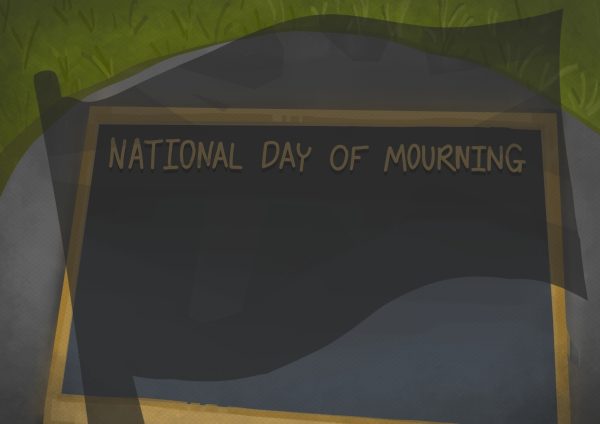
Why celebrate a day that commemorates the genocide of millions of Native Americans? Whether you acknowledge it or not, it’s a colonial holiday with colonial origins.
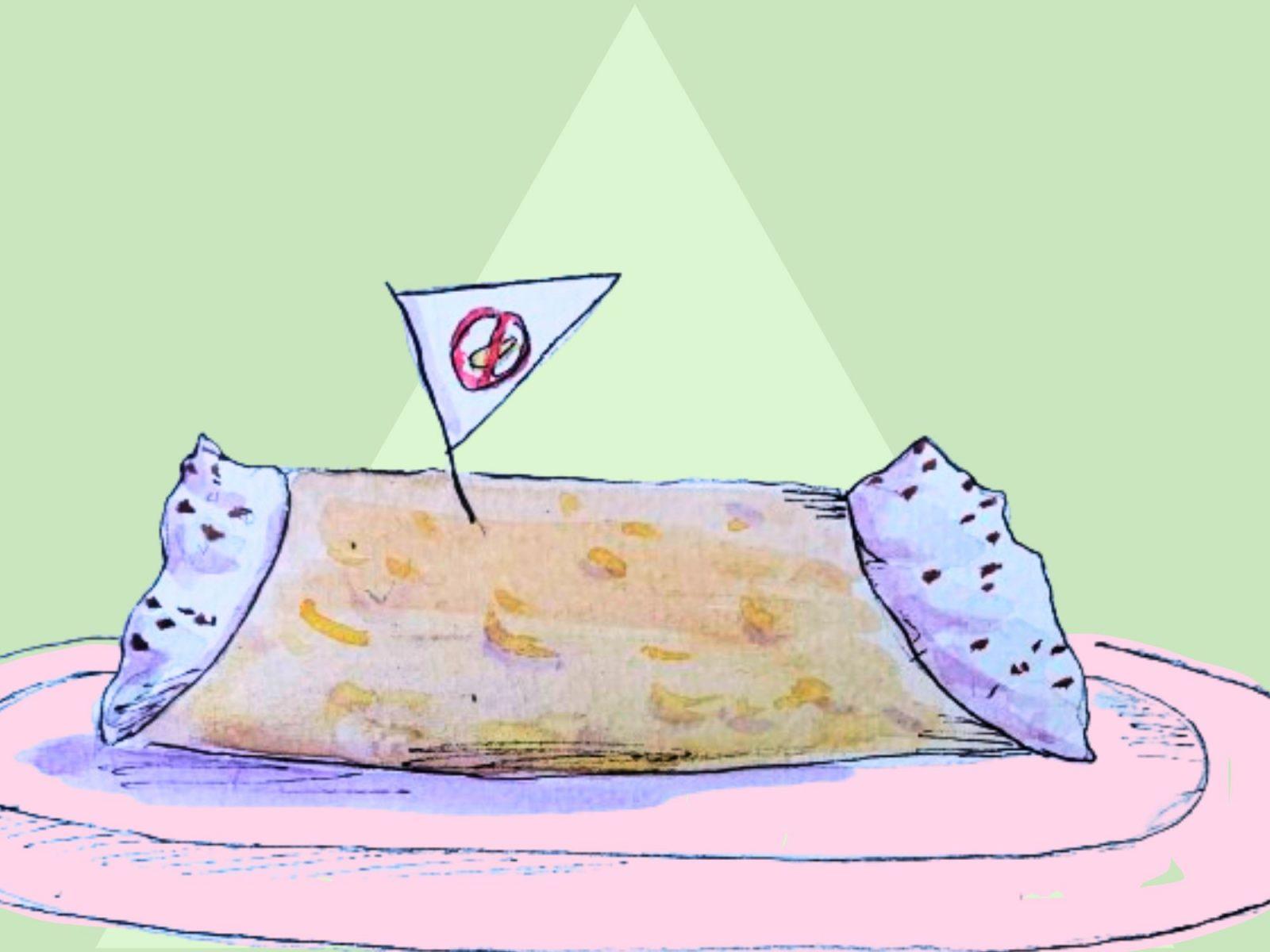
It’s not Thanksgiving. It’s the National Day of Mourning.
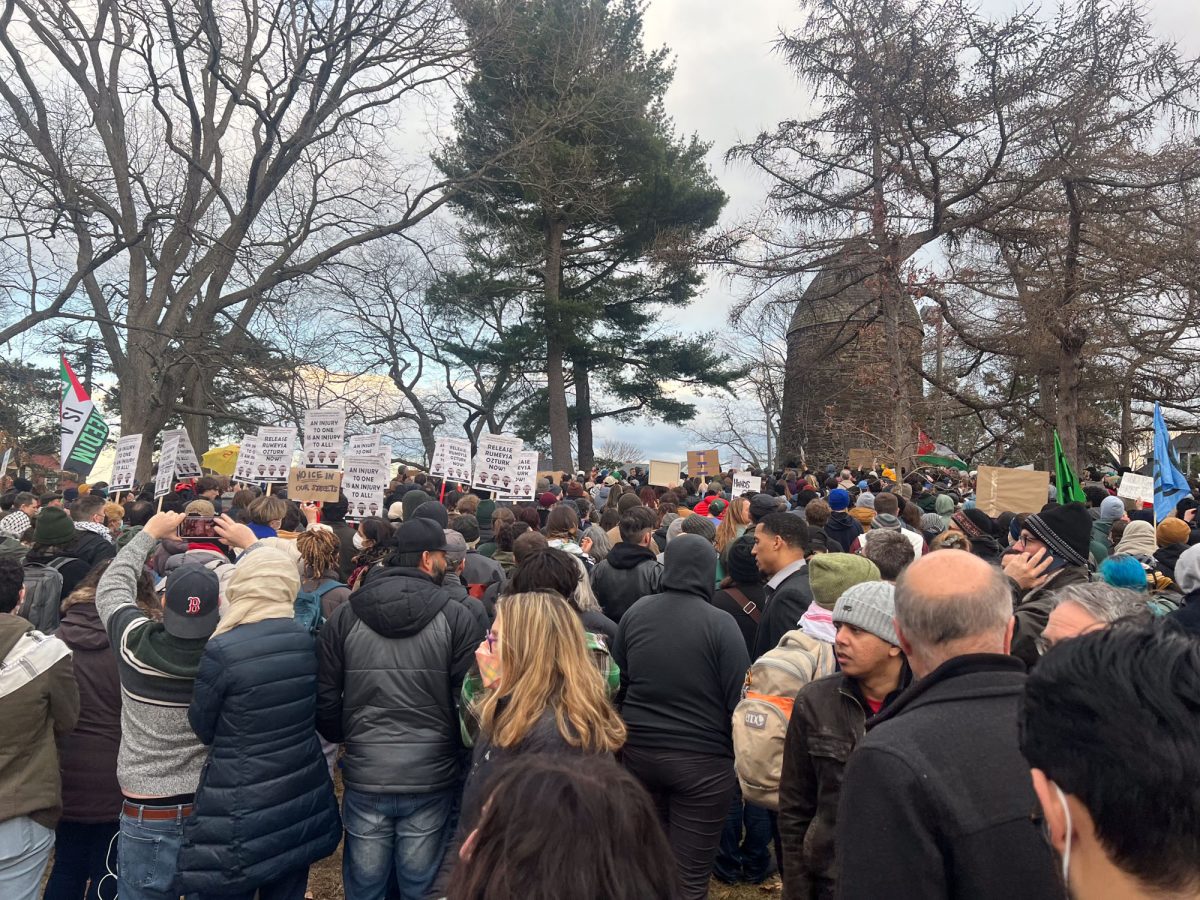
The United American Indians of New England began to call the holiday for what it is: a day of grief and memory. Every year since 1970, the organization has gathered at Cole’s Hill in Plymouth to protest the erasure of Indigenous culture and land theft.
Contrary to popular belief, Christopher Columbus did not “discover” the Americas. When he found Indigenous people already there, he took advantage of them, stole their lands, seized their belongings and enslaved them. He didn’t do it alone — thousands of European settlers participated in the genocide.
I remember when I first heard of the Trail of Tears in high school. It was during AP U.S. History — all we had talked about so far were the U.S. presidents and the Civil War. I came across the term Trail of Tears, and I decided to look into it. What I found horrified me. It left my heart in anguish, and my eyes welled up with tears.
The Trail of Tears was the forced displacement of tens of thousands of Native Americans, mostly Cherokee, from their ancestral homelands in the mid-1800s. Families walked hundreds of miles in the winter cold. Thousands died from exposure, starvation and exhaustion. The real kicker? The federal government ordered it — President Andrew Jackson authorized it.
So how does this connect back to Thanksgiving?
Thanksgiving’s beginnings are complicated, originating from the celebration of harvest but clouded by the mass murder of First Nations people through hangings, starvation and disease brought by European colonialists.
In a 2017 article for The New York Times, Maya Salam dissected misconceptions about the holiday, writing that facts and myths about Thanksgiving “have been blended together for years like so much gravy and mashed potatoes, and separating them is just as complicated.”
The story we’ve been told in elementary school about the pilgrims and Wampanoag shaking hands and eating a big feast together as best friends is inaccurate and, with deeper research, misrepresentative of the true complex relationship between colonial settlers and Indigenous people.
Most of us didn’t even know Columbus was a genocider until we became adults. But he was. He was responsible for the enslavement and mass murder of thousands of Indigenous peoples in the Americas and Caribbean.
Additionally, Massachusetts and other states need to get rid of “Columbus Day” and officially rename it “Indigenous Peoples’ Day.” It’s the least they can do in this country’s continued cultural erasure of Native Americans and inaccurate teachings of American history.
Back to Thanksgiving.
What does this mean for us? No more turkey? No more livestreaming the parade? Not necessarily. If anything, take advantage of the day off to reconnect with loved ones and spend time with family and friends.
But do it with the knowledge that the holiday itself has genocidal roots, and stand in solidarity with the Indigenous people. Recognize on a daily basis that we are living on stolen land. Acknowledge that Native Americans still face racism and injustice today.
It starts with awareness. Education. Solidarity. Then policy change and political action.
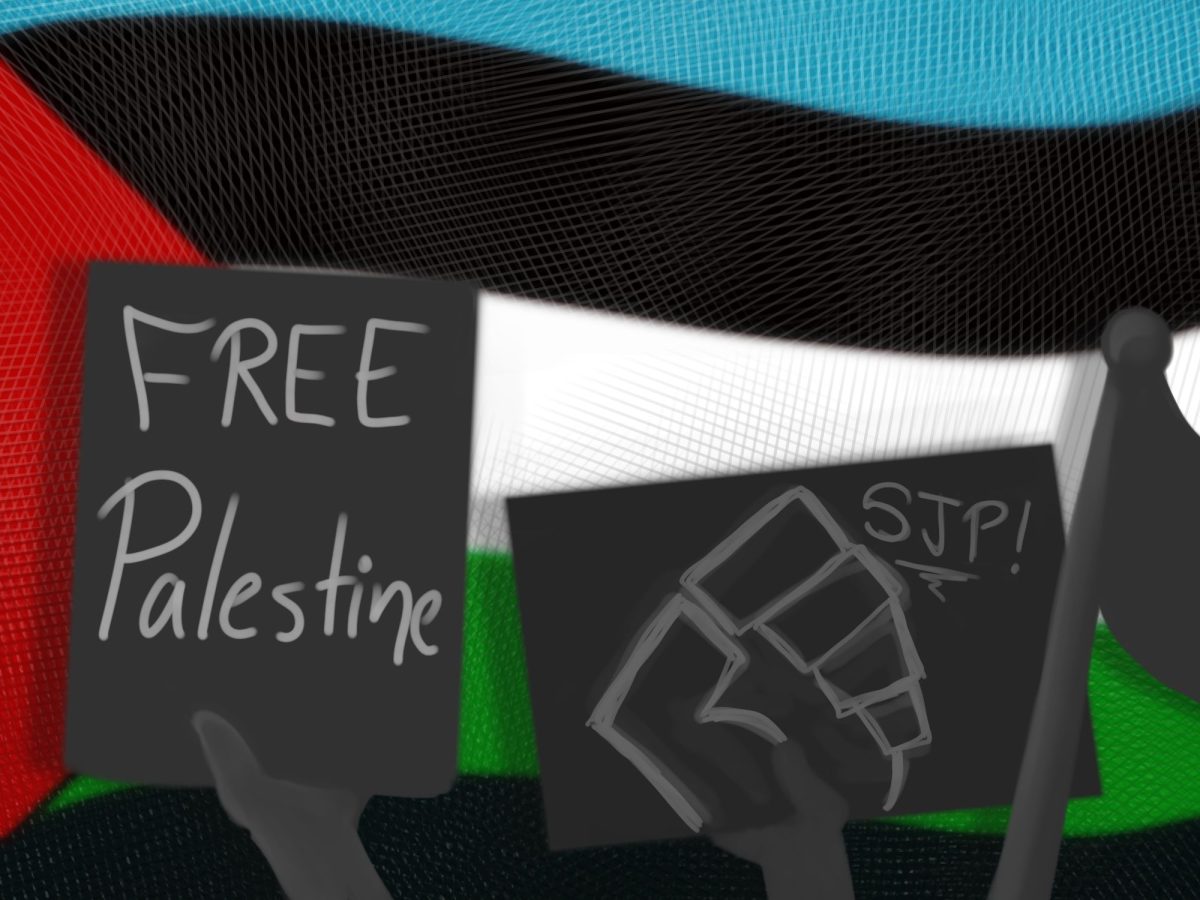
Free Indigenous populations everywhere. From Turtle Island to Palestine.
So let’s recap.
Thanksgiving?
Nope.
National Day of Mourning?
Exactly.


Gretchen • Nov 25, 2025 at 5:28 pm
Astonishing. Thank you for explaining.